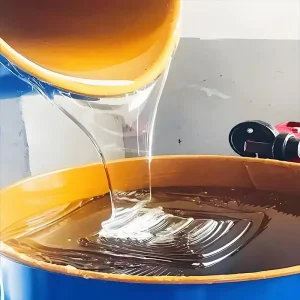
Vinyl-Terminated Polydimethylsiloxane (Vi-PDMS), identified under CAS Registry Number 68083-19-2, is the foundational building block for addition-cure silicone systems. Structurally composed of alternating silicon-oxygen chains flanked by active vinyl hydrocarbon functionalities on both terminal terminals, this polymer forms the basis of next-generation elastomeric compounds. The clean addition crosslinking reaction (hydrosilylation) with methyl hydrogen silicone fluid in the presence of a platinum catalyst results in no chemical byproducts, ensuring maximum dimensional stability and material purity.
Unlike condensation-curing silicones that release alcohols or acetic acids, the zero-byproduct reaction profile makes Vi-PDMS vital for applications demanding structural integrity. From encapsulation matrices in microscopic semiconductors to thermal interface materials in electric vehicle batteries, the precise control of vinyl stoichiometry determines the final physical characteristics of the elastomer, including tensile strength, durometer hardness, and tear resistance.
Expert Industry Insight: "For industrial engineering applications, the selectivity of terminal vinyl groups provides a clean linear chain extension prior to final crosslinking, optimizing elasticity and resilience under persistent mechanical and thermal stresses."
| Typical Viscosity Grades (cSt) | Vinyl Content (wt %) | Common Applications | Key Performance Benefits |
|---|---|---|---|
| 100 – 500 | 1.0 – 1.8 | Diluent, viscosity modifier, liquid injection molding | Outstanding processability, quick degassing | 1,000 – 10,000 | 0.2 – 0.5 | Electronic potting, potting encapsulants, RTV adhesives | Optimized hardness, high dielectric strength |
| 20,000 – 60,000 | 0.08 – 0.15 | Liquid Silicone Rubber (LSR), high strength coatings | Excellent tensile strength and elongation metrics |
| 100,000+ | 0.03 – 0.06 | HTV rubber modifiers, high-consistency elastomers | Maximum tear resistance, structural elasticity |
Founded in 2012, Shandong Boctok Chemical Co. has established itself as an international supplier in the field of organosilicon synthesis, high-performance hydrocarbon resins, and agricultural intermediates. With a comprehensive global marketing network, the company reached an annual sales revenue of US$280 million in 2023, reflecting its operational capacity and global market trust. The specialized BOCTOK brand serves as a core supplier for the Russian and surrounding Eastern European markets, delivering customized compound options for severe environmental climates.
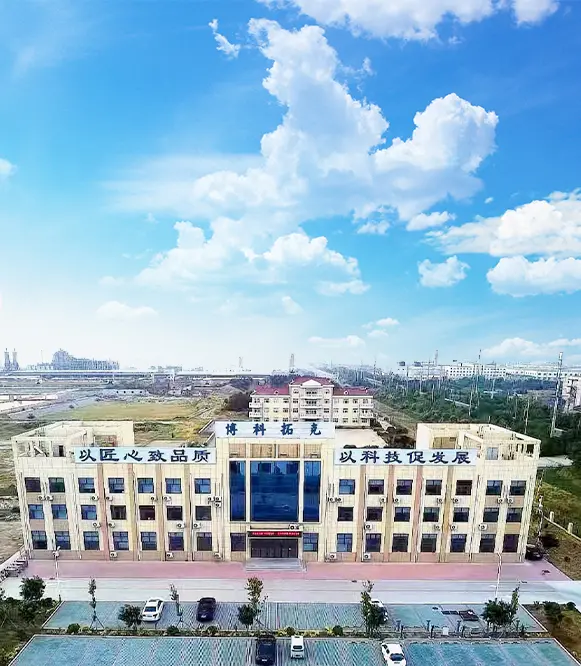
To support growing global requirements, Boctok invested US$65 million to construct a production facility in the Bohai Industrial Park, Shouguang City, Shandong Province. This facility operates 6 fully automated Distributed Control System (DCS) production lines, outputting 30,000 tons of silane coupling agents and advanced silicone compounds annually. Each line is integrated with modern Safety Instrumented Systems (SIS) and undergoes rigorous quality management aligned with ISO 9001 compliance standards.

Our products undergo rigorous testing to ensure that every aspect meets the highest quality standards, providing consistent molecular weight distributions and vinyl stoichiometry.

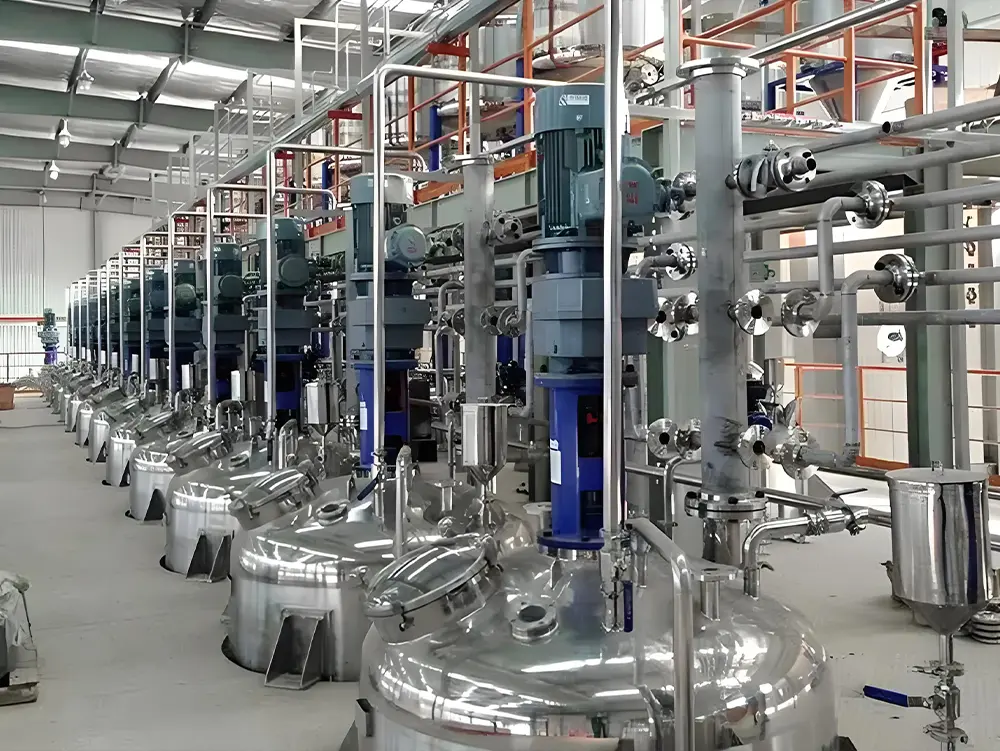
Equipped with advanced DCS automated remote control and high-volume reactor lines to effectively expand production capacity and meet mass customization requests.

Our professional engineers are available to resolve customer queries online 24 hours a day to provide attentive technical support and compound consultations.

An optimized logistics network guarantees rapid processing and shipment tracking for local and international deliveries, ensuring supply continuity.


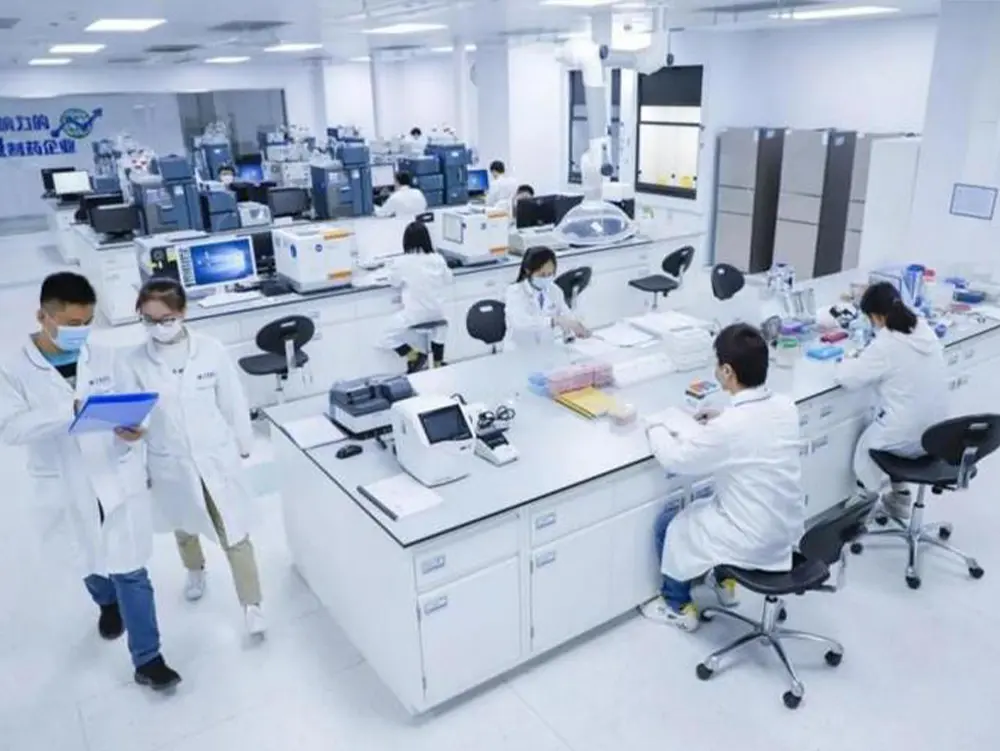
Procuring raw chemical components on a global scale requires strict validation pathways. In the case of Vinyl-Terminated Polydimethylsiloxane, buyers look closely at structural specifications to guarantee consistency across production batches. Our tracking of international supply lines reveals specific requirements across different regions:
Additionally, modern supply chains require flexibility in packaging—ranging from 200 kg steel drums to 1000 kg Intermediate Bulk Containers (IBC) and bulk ISO tanks. This ensures that factories can scale operations smoothly while maintaining product purity and preventing moisture contamination.
Vinyl-Terminated Polydimethylsiloxane functions as a foundational material across various industrial sectors. Below is a breakdown of how the product category meets specific engineering needs:

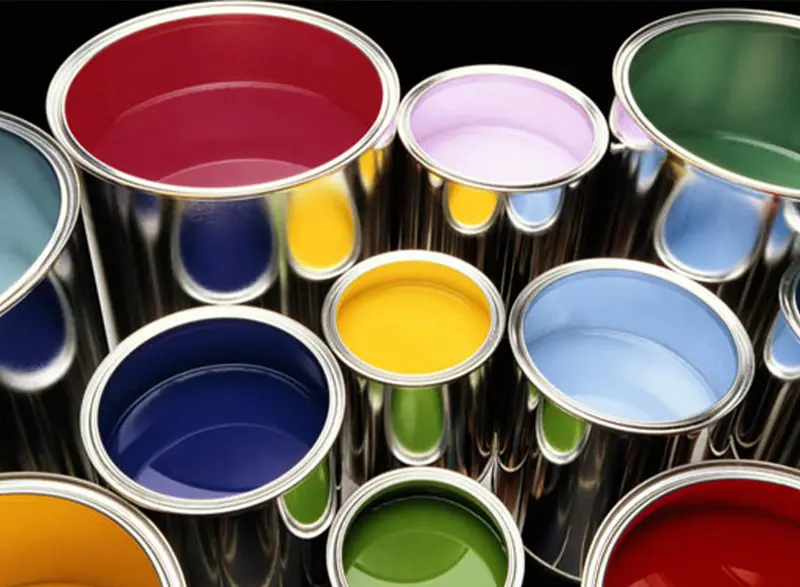
Serving as a primary polymer matrix in formulation adjustments, creating a variety of silicone lubricants, moisture-cure sealants, and custom RTV-2 vulcanized formulations.

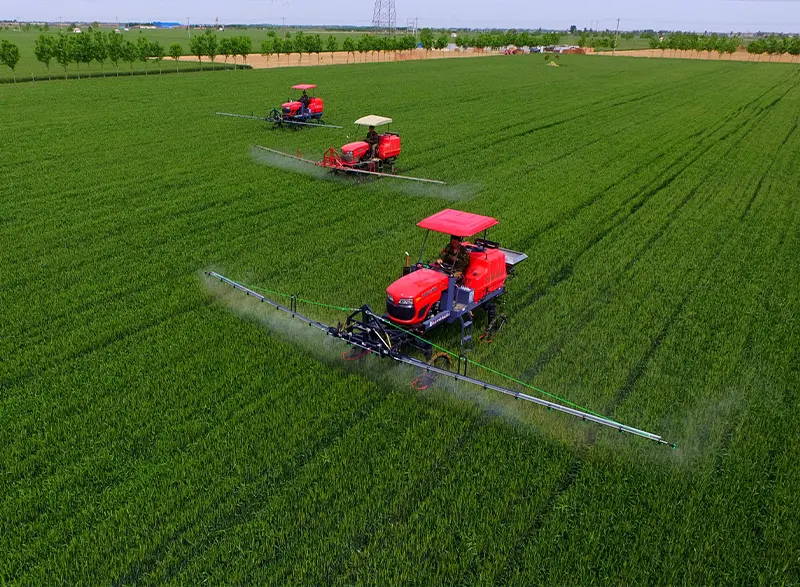
Modified silicone fluids are used as super-spreading agents in pesticide and fungicide delivery, improving foliar adhesion and rainfastness on crops.
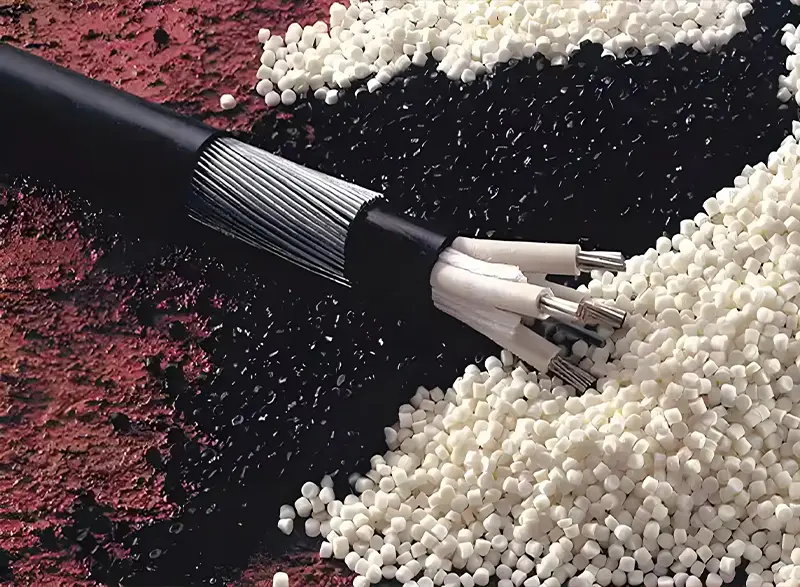
Used to insulate high-voltage transmission lines, providing long-term resistance to electrical tracking, corona discharge, and extreme outdoor weathering.




The manufacturing path for Vinyl-Terminated Polydimethylsiloxane is moving toward stricter purity controls and sustainable chemical practices. Historically, the synthesis relied on base-catalyzed ring-opening polymerization of octamethylcyclotetrasiloxane (D4) using chain blockers like divinyltetramethyldisiloxane. Emerging chemical manufacturing routes focus on acid-catalyzed processes with highly active sulfonic acid catalysts, which run at lower reaction temperatures and minimize cyclic volatile byproducts.
Future development is concentrated in three main technical areas:
These initiatives help manufacturers align with evolving global environmental regulations, creating sustainable supply chains without sacrificing the performance advantages of high-purity silicone chemistry.
Importing advanced silicone intermediates requires navigating regional chemical compliance frameworks. Shandong Boctok Chemical Co. maintains active safety protocols, including Safety Data Sheet (SDS) documentation in multiple languages and localized customs filings. Regulatory alignment ensures that products arrive at customer facilities without customs delays:
To support global supply chains, our logistics infrastructure provides temperature-controlled shipping options, preventing moisture absorption and polymerization reactions during maritime transport through tropical transit zones.
Under dry, ambient storage conditions (temperatures below 30°C / 86°F) in original unopened containers, Vi-PDMS exhibits a shelf life of 24 to 36 months. Moisture ingress must be avoided, as it can cause hydrolytic degradation in formulations containing reactive crosslinkers.
Higher vinyl content increases the crosslinking density, resulting in a harder elastomer (higher Shore durometer) with increased modulus but reduced ultimate elongation. Lower vinyl content yields a softer, more flexible gel or elastomer with greater elongation properties.
For sensitive electronics and medical-grade uses, Boctok provides purified grades with total cyclic content (D4 + D5 + D6) guaranteed to be below 0.1% (1000 ppm), compliant with European REACH restriction rules.
Inhibitors like 1-ethynyl-1-cyclohexanol (ECH) retard the platinum catalyst's activity at room temperature. This extends the pot life or working time of the compound, while still allowing fast curing when heat is applied.
 Boctok Chemical