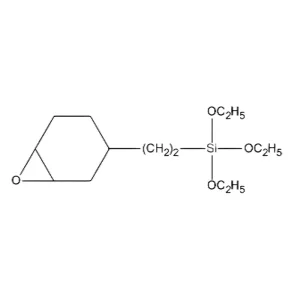
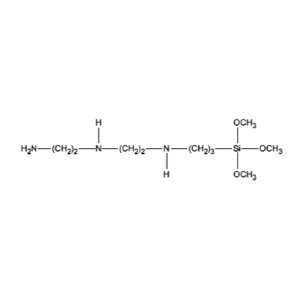
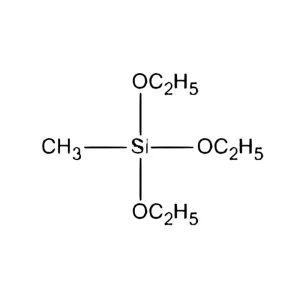
Explore our premium quality line of vinyl silanes, crosslinking agents, and specialized silicon compounds.
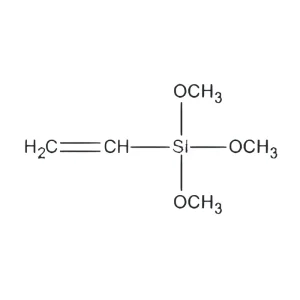
In modern polymer engineering, the interface chemistry between inorganic minerals and organic matrices plays a crucial role in determining final product integrity. Vinyl silane crosslinking agents (principally represented by Vinyltrimethoxysilane CAS 2768-02-7 and Vinyltriethoxysilane CAS 78-08-0) serve as dual-functional chemical bridges. These molecules contain an unsaturated organofunctional vinyl group ($CH_2=CH-$) that covalently couples with olefin polymers, alongside three hydrolyzable alkoxy groups (methoxy or ethoxy) that bind strongly with silica, minerals, or form crosslinked siloxane networks upon exposure to moisture.
The crosslinking mechanism primarily proceeds through a two-step reaction scheme:
Step 1: Moisture-Induced Hydrolysis. Alkoxy substituents react with ambient humidity or moisture in a curing bath, liberating alcohol (methanol or ethanol) and forming highly reactive silanol intermediates ($-Si-OH$).
Step 2: Silanol Condensation. These silanols undergo self-condensation or reaction with surface hydroxyl groups of inorganic fillers, generating strong, thermally stable siloxane bonds ($-Si-O-Si-$).
This process results in a high-density, three-dimensional crosslinked polymer matrix (such as XLPE). It dramatically enhances thermal resistance, creep resistance under load, tensile strength, and electrical insulation properties, making vinyl silane technology indispensable in modern manufacturing.
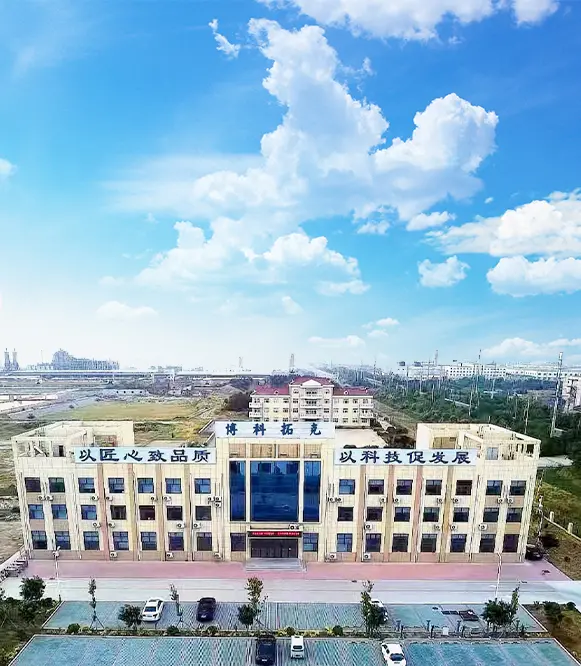
Established in 2012, Shandong Boctok Chemical Co. has developed into an industry-leading marketing, sales, and manufacturing powerhouse for advanced organosilicon and hydrocarbon products. Through focused market analysis and rigorous supply-chain optimization, the corporation achieved a record sales volume of US$280 million in 2023. Under our dedicated BOCTOK™ brand, we have structured deep local partnerships to satisfy the high demand of the Russian market and adjacent Eastern European industrial regions.
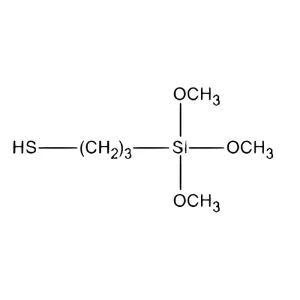
Our organosilicon chemical division focuses on twelve primary functional silane coupling agents and crosslinkers, designed to cover aminosilane, methacrylate silane, epoxy silane, vinyl silane, mercaptosilane, alkyl silane, ethyl silicate, chlorosilane, silane isocyanates, phenyl silane, ureidosilane, and serosilane. Additionally, our secondary core lines feature petroleum hydrocarbon resins (C5/C9) sourced from stable chemical precursors from SINOPEC and PetroChina, alongside a highly specialized agrochemical intermediate program.
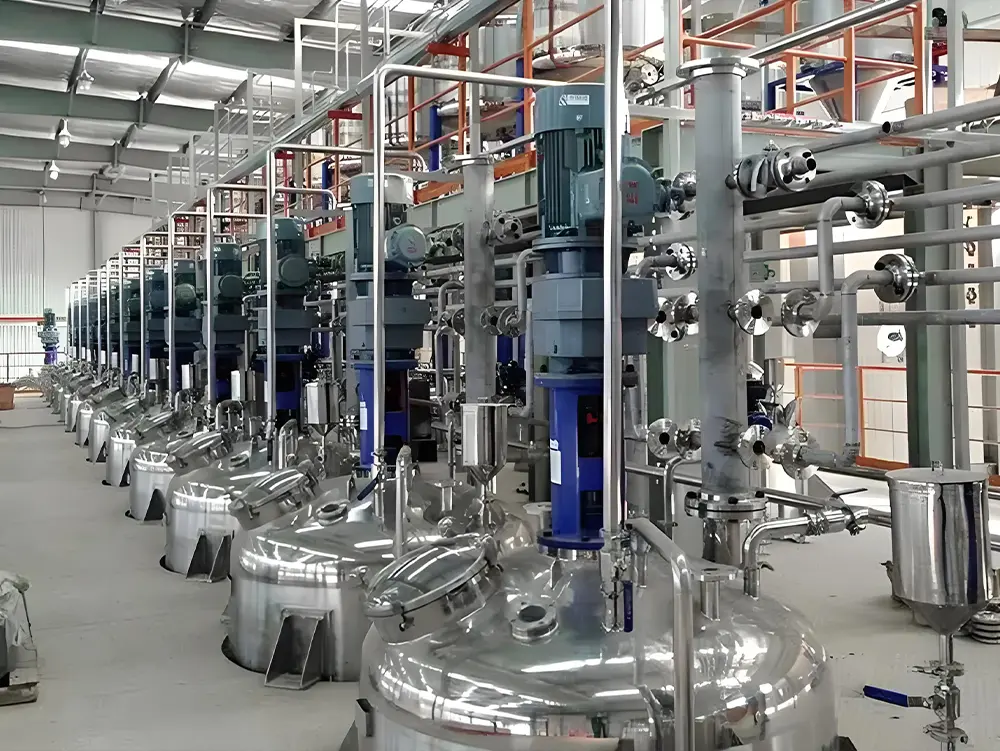
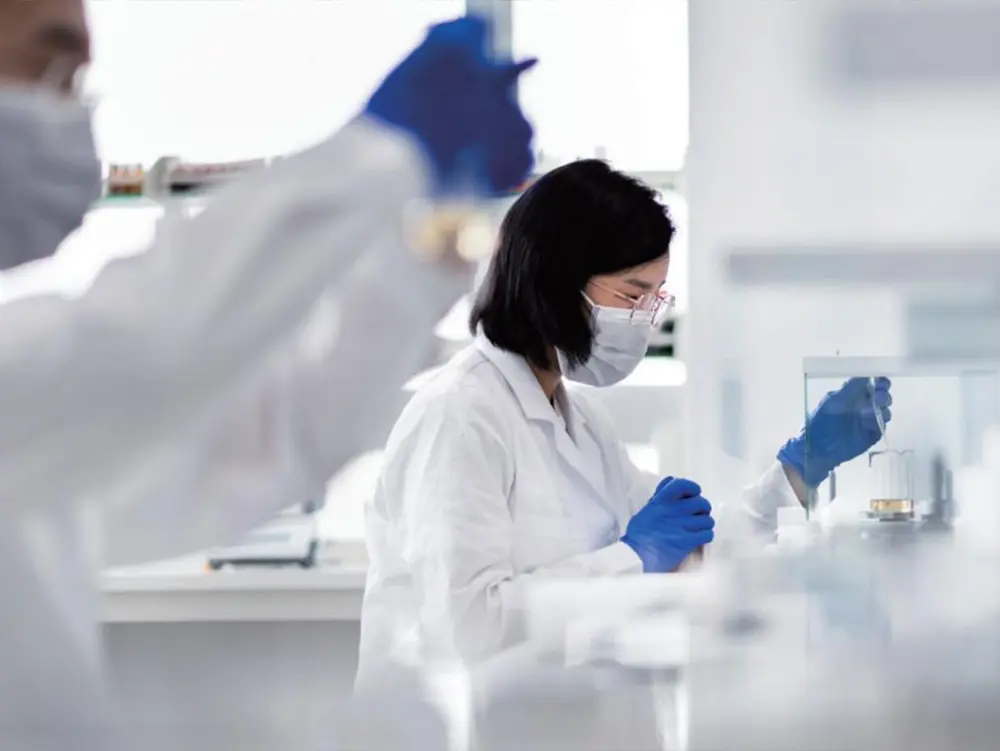
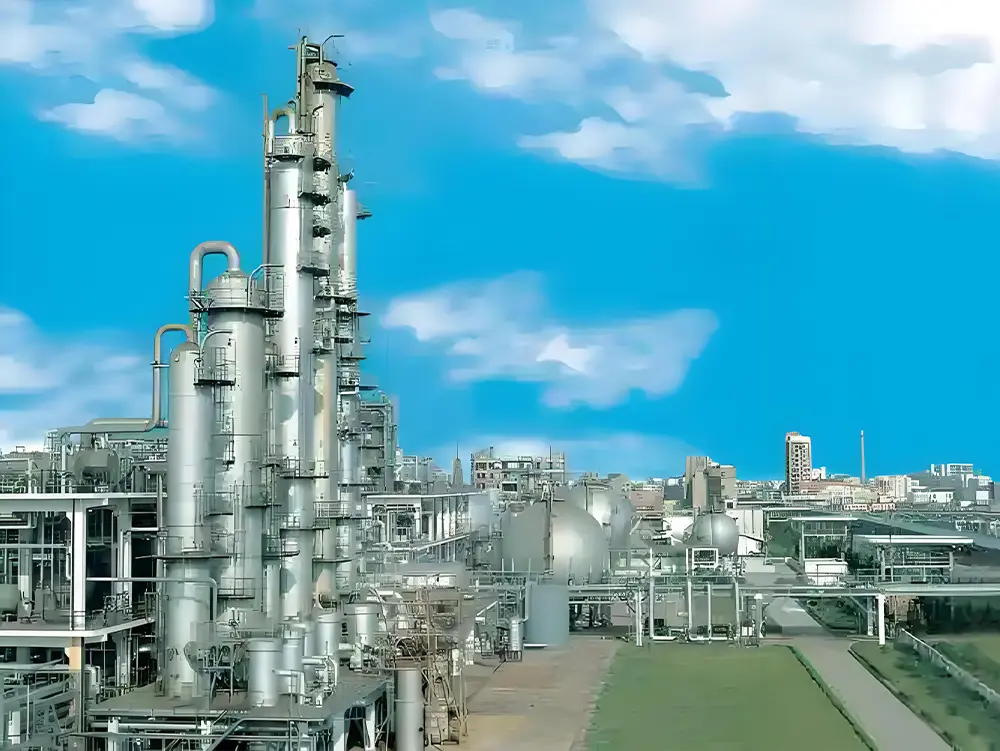
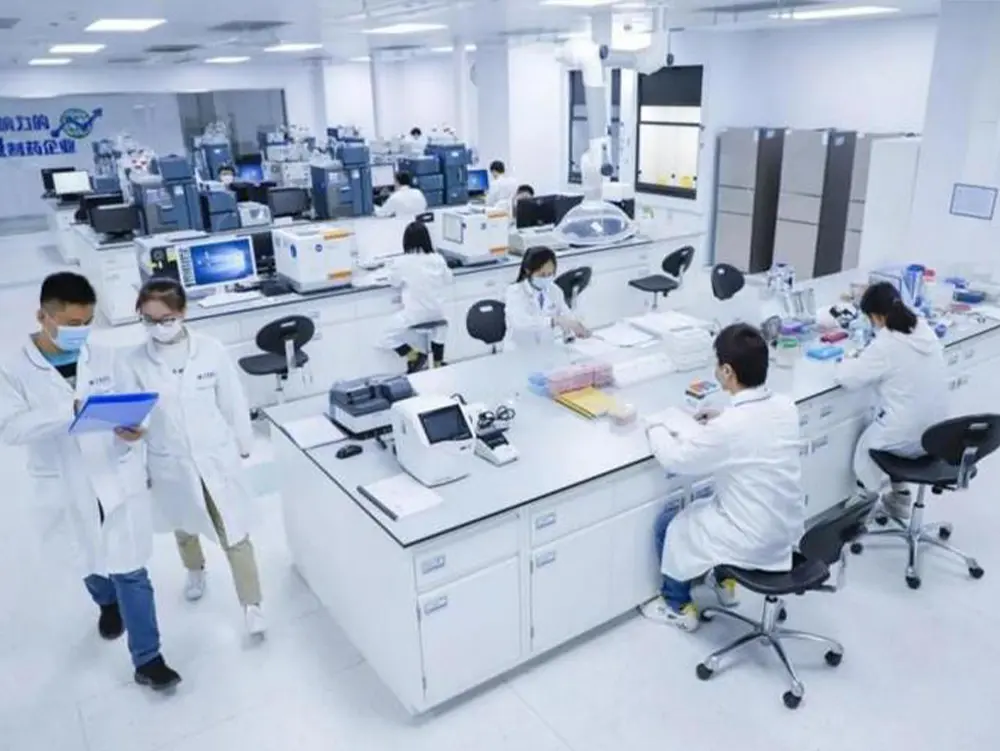
Exploring how Boctok leverages geographical resources, cutting-edge technology, and scale to serve international buyers.
Boctok recently completed a landmark US$65 million investment in our primary production facility situated within the Bohai Industrial Park, Shouguang City, Shandong Province. This provincial-level chemical park provides strict safety regulation compliance, stable raw utilities, and localized infrastructure. The facility utilizes 6 fully automated DCS (Distributed Control System) production lines, boosting our annual capacity of silane coupling agents to 30,000 metric tons. These lines are integrated with a Safety Instrumented System (SIS) to ensure continuous operational safety, process stabilization, and consistent molecular yield.

Operating strictly under ISO9001, every batch undergoes gas chromatography (GC) and mass spectrometry analysis to guarantee purity and consistent reaction kinetics.

6 DCS automated lines allow mass-customization of specialty blends, ensuring stable supply contracts for Fortune 500 downstream buyers.

Our localized chemical engineers and customer service specialists provide real-time assistance, helping to resolve process formulation issues.

Strategically linked with China's major northern shipping hubs, providing multimodal tank, drum, and IBC logistics globally with reliable lead times.
Boctok organizes its manufacturing pathways into high-purity sectors to maximize structural performance.
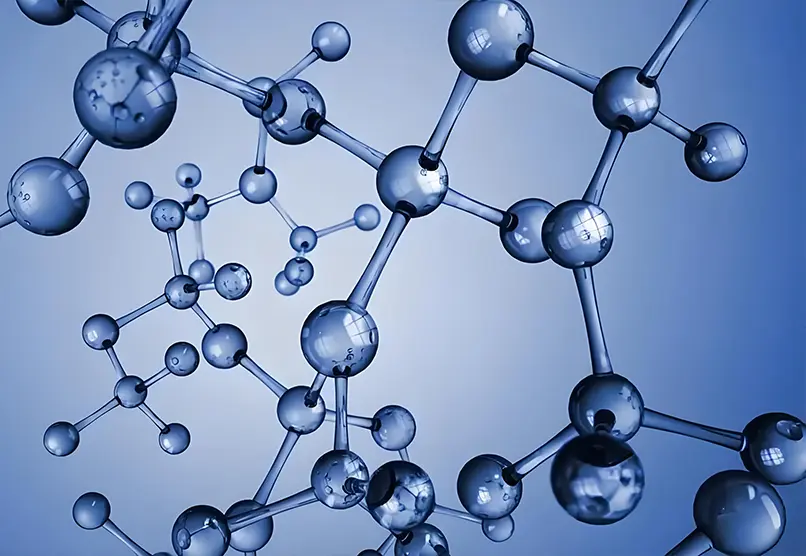
Organosilicone series, specialized silanes, fluids, functional resins, and crosslinkers.
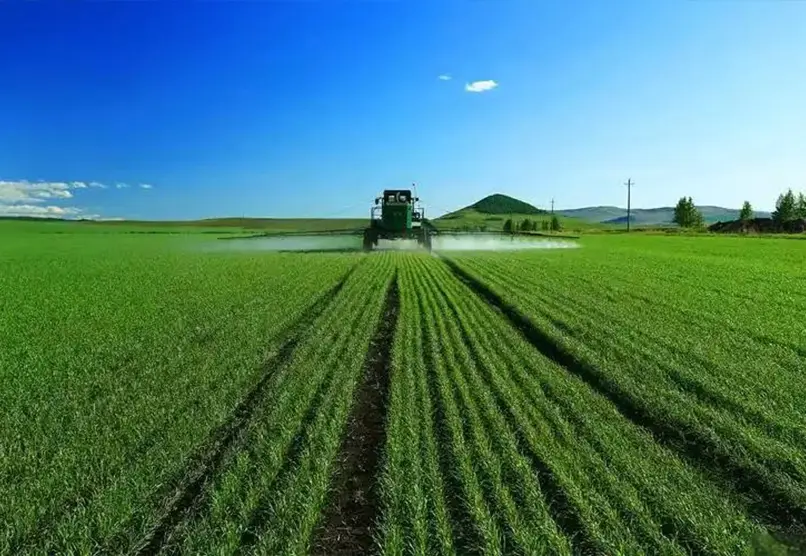
Targeted agrochemical intermediates, fungicides, herbicides, and plant growth regulators.
Engineered formulations serving heavy industrial, agricultural, and commercial sectors globally.
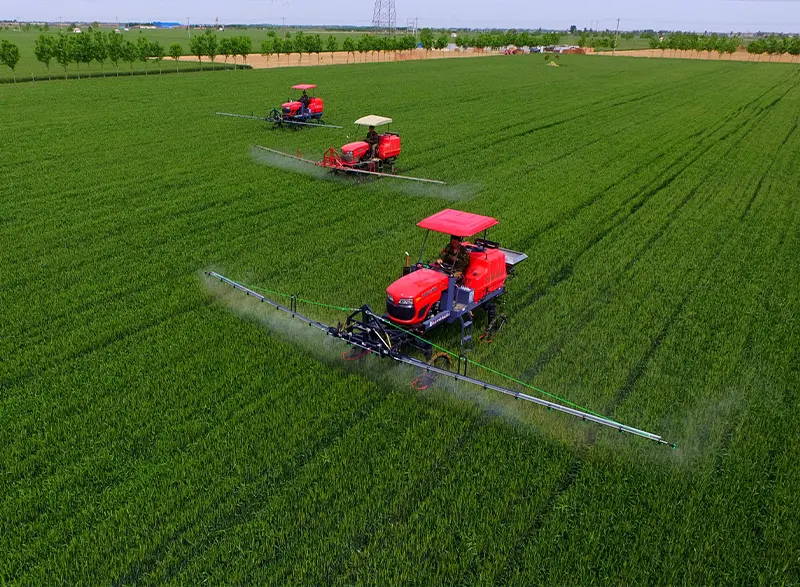
Optimized formulation stability and soil release rates utilizing high-efficiency silicone surfactants.
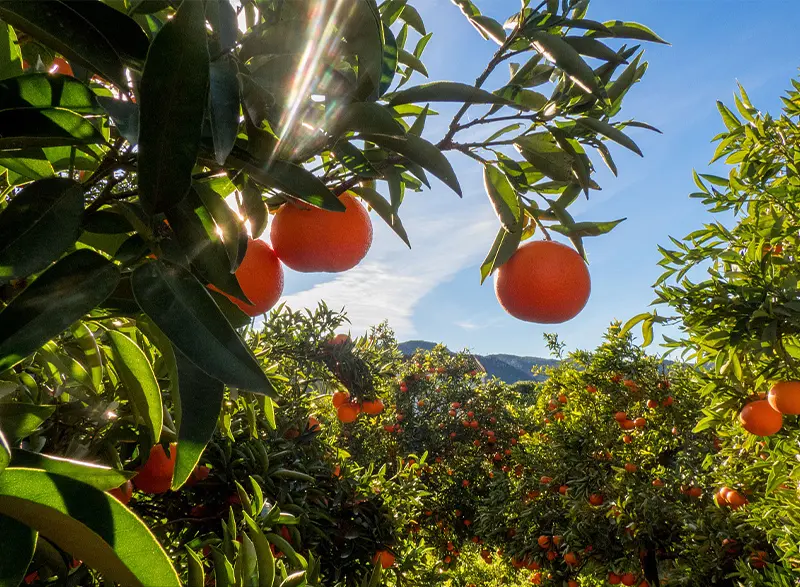
Specialized protective coatings and plant protection additives for high-value agricultural yields.

Fungicidal and plant growth regulator compounds designed for horticultural applications.

Large-scale crop protection intermediates manufactured with green-chemical technologies.

Targeted pest control agents with controlled degradation profiles for food safety compliance.
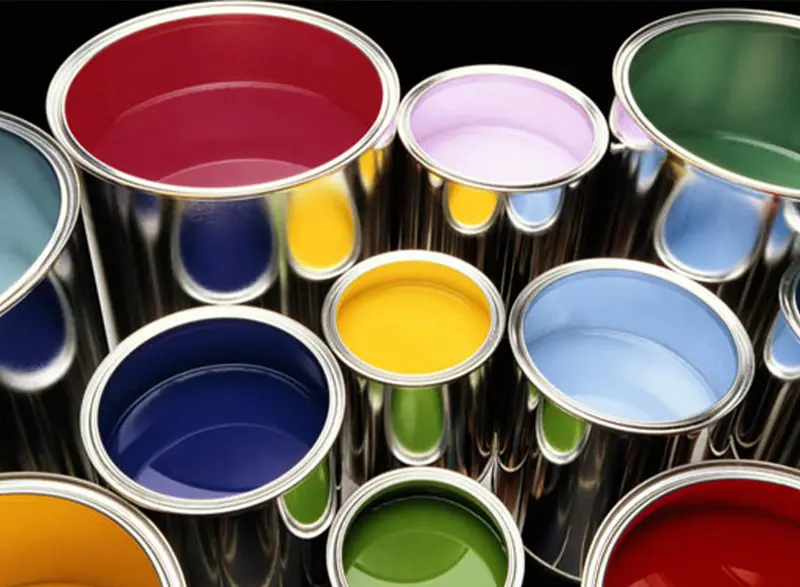
C5 and C9 hydrocarbon resins modifying adhesion, glass transition temperature, and film durability.
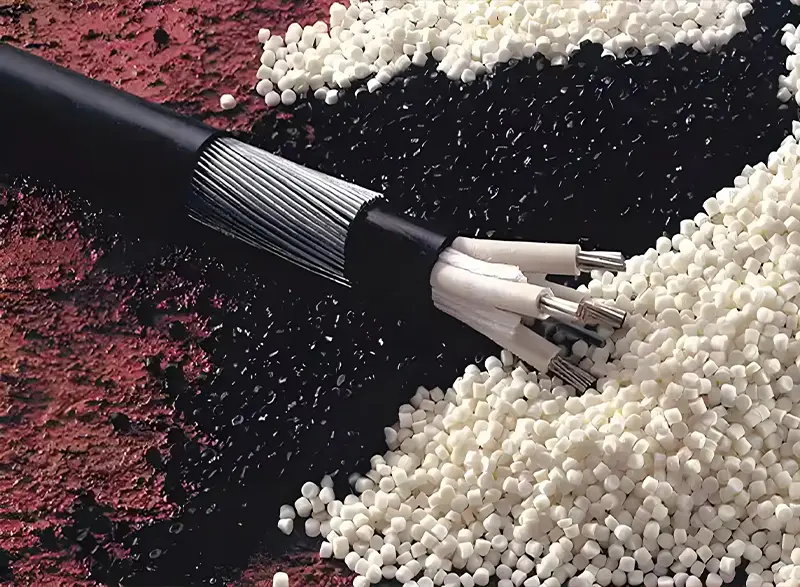
Vinyl silane grafting for XLPE insulation systems, improving high-voltage heat and electrical stress properties.
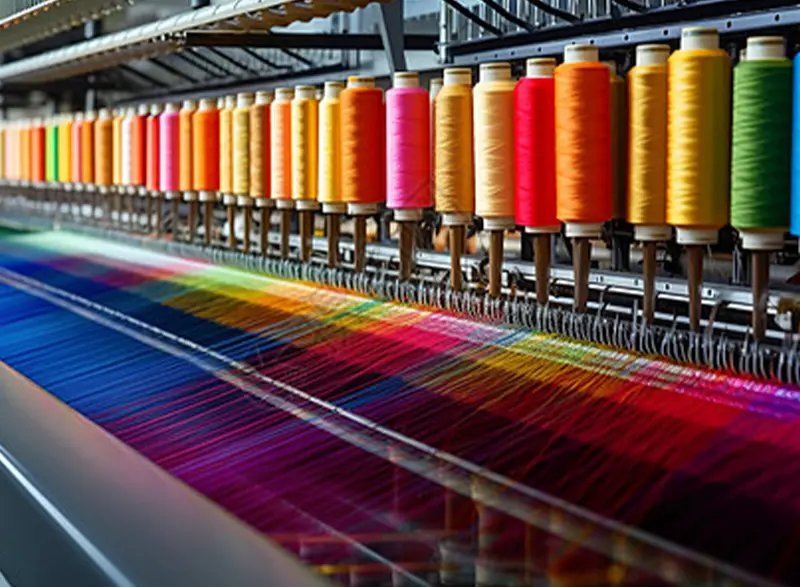
Organofunctional softening fluids and hydrophobic water repellents for advanced fiber treatment.
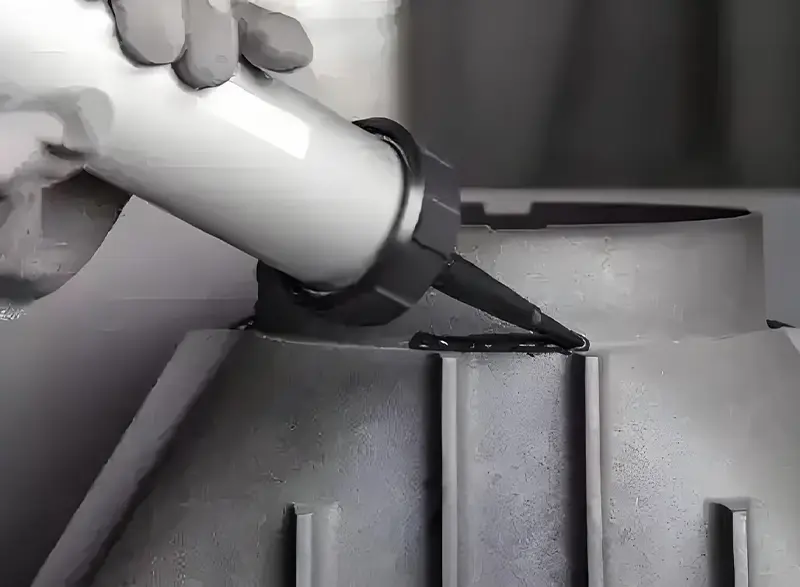
Moisture-cure RTV sealants engineered for construction, electronics, and automotive assembly.
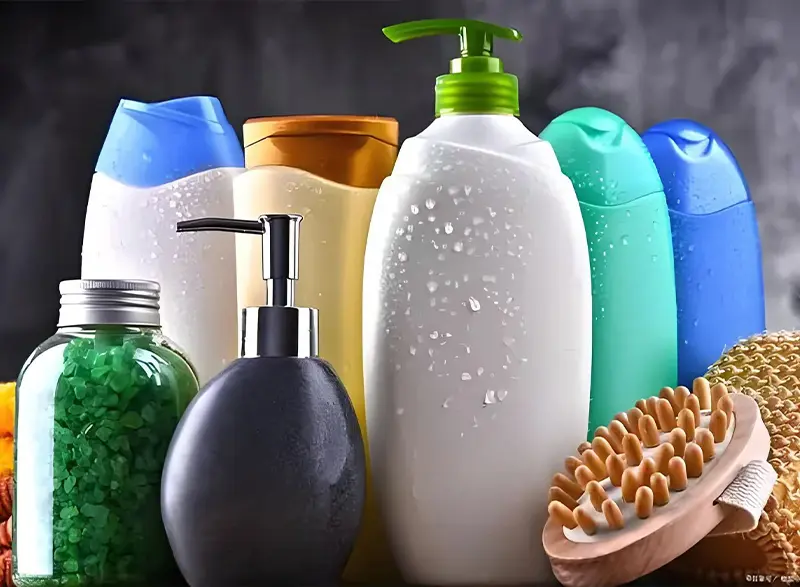
High-purity dimethicones, volatile cyclic siloxanes, and cosmetic emollients for personal care products.
From aerospace sealants to biomedical grade silicones, we supply tailored chemical intermediates for performance-driven markets.

Protecting active functional groups and serving as crucial organic coupling intermediates for complex synthetic drugs and protective agrochemicals.

Emulsifying agents and water-resistant resin modifiers that enhance formulation texture and wear resistance in personal care products.
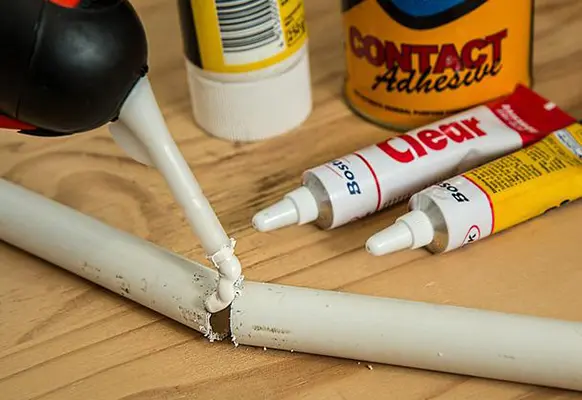
Providing thermal stability, tackiness, and cohesiveness in hot-melt pressure-sensitive adhesives (HMPSA) used in packaging and assembly.
Grafting organosilanes onto inorganic fillers like silica to improve rolling resistance, dynamic heat build-up, and wear in tires and industrial rubber goods.
Resin binders modifying coating gloss, drying speed, and resistance to environmental stress, chemical solvents, and water.
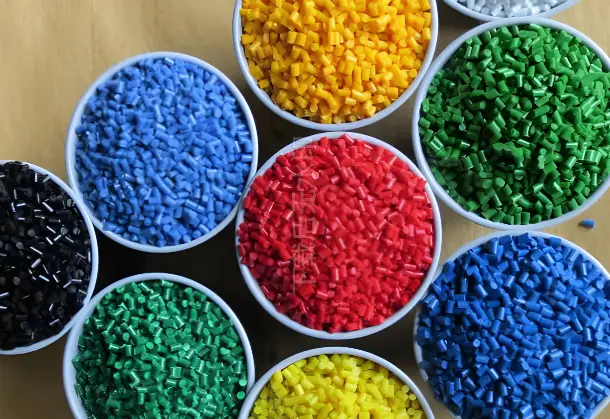
Improving flow properties, reducing processing temperatures, and increasing mechanical strength in polyolefin blends.
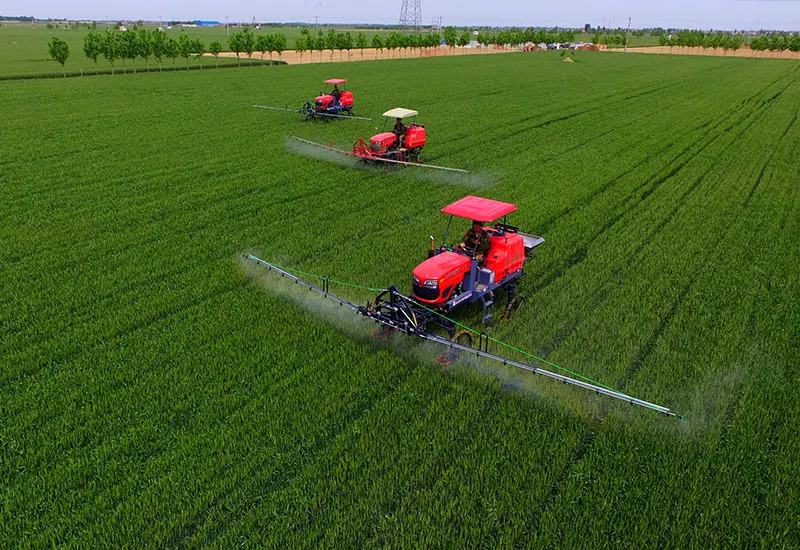
Ensuring system stability, enhanced spreading, and targeted delivery of active pesticide ingredients across diverse crop varieties.
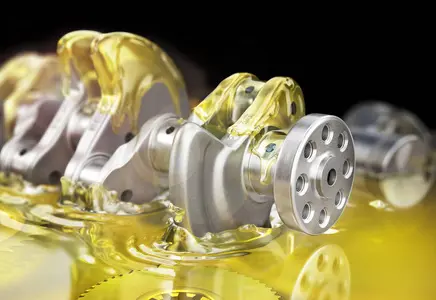
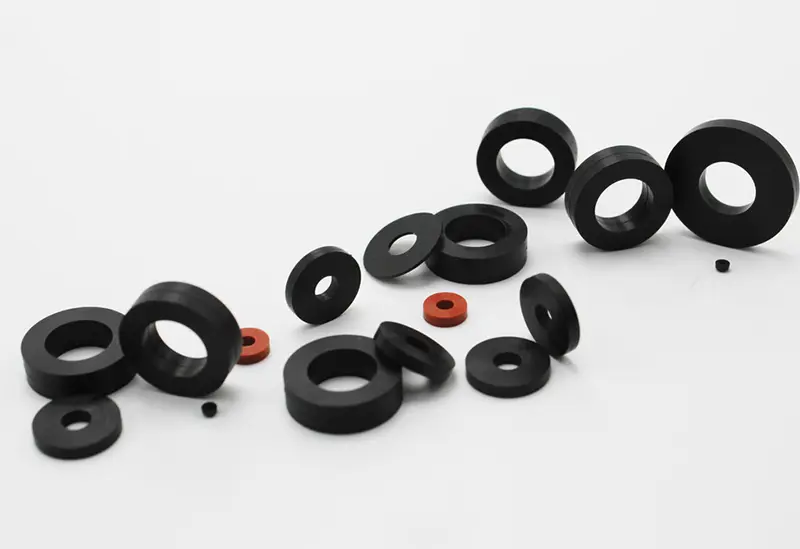
Engineered for automotive gaskets and connector seals, requiring low surface friction and reliable elastic recovery.
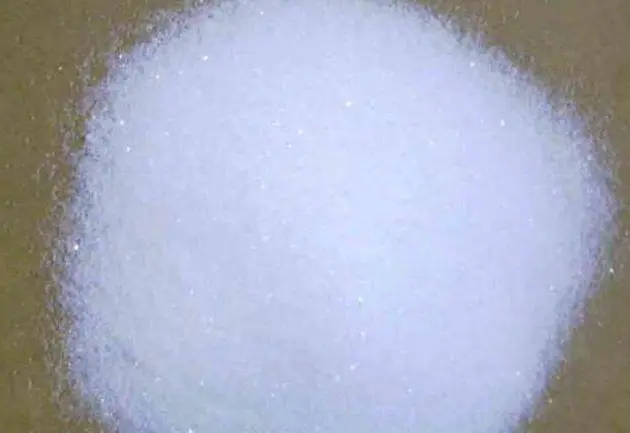
Silicone-based defoamers designed for paper mill processing, paint production, oil well drilling fluids, and wastewater treatment.

Hydrophobic silicone fluid additives providing long-lasting water repellency to construction materials without reducing breathability.
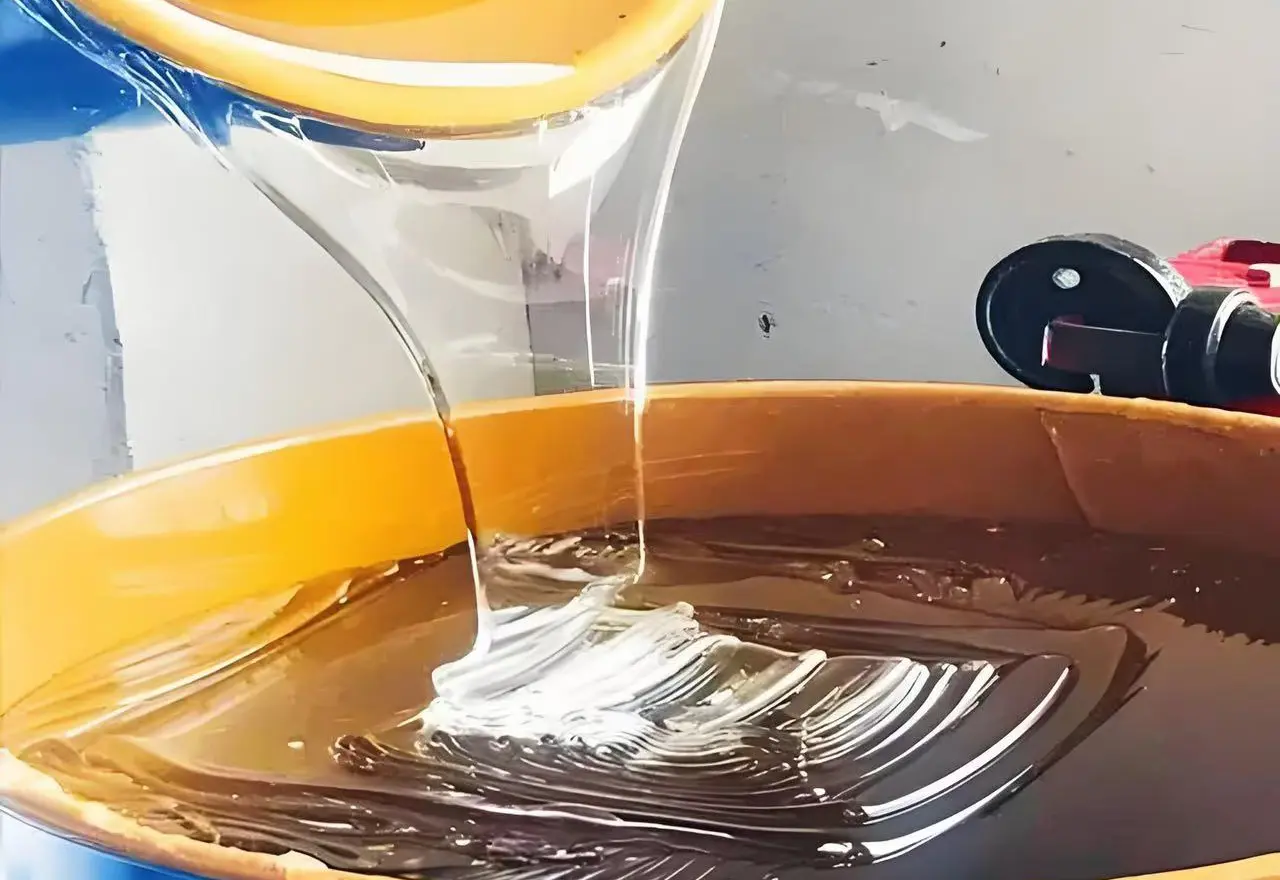
Methyl hydrogen and dimethyl silicone oils with broad temperature viscosity stability, serving as electrical insulation fluids.

High-reliability coatings resistant to UV degradation, ozone attack, high thermal load, and saltwater corrosion.
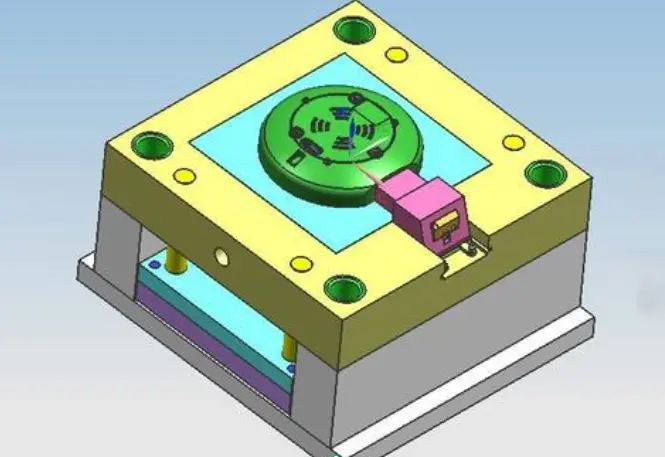
Liquid silicone rubber (LSR) and room temperature vulcanizing (RTV) molding compounds with high tear strength and replication fidelity.

High dielectric strength compounds protecting microchips, power modules, and sensors from humidity and thermal shock.

Penetrating stone and masonry sealers that prevent moisture ingress while maintaining material breathability.
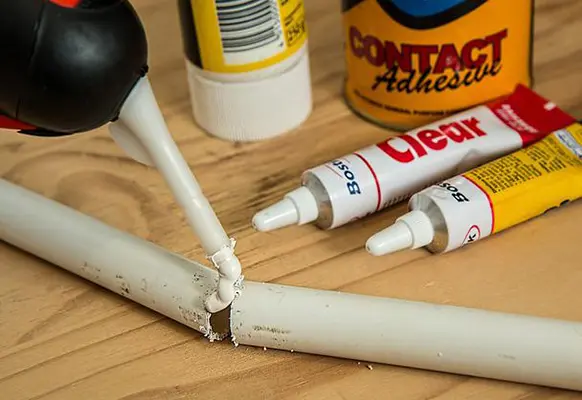
High-performance structural silicone sealants providing elastic bonding for high-rise glass curtain walls.
Silicone-modified acrylic and polyester binders offering high weathering resistance and gloss retention.

Eco-friendly chrome-free silane coatings that improve paint adhesion and corrosion resistance on steel and aluminum.
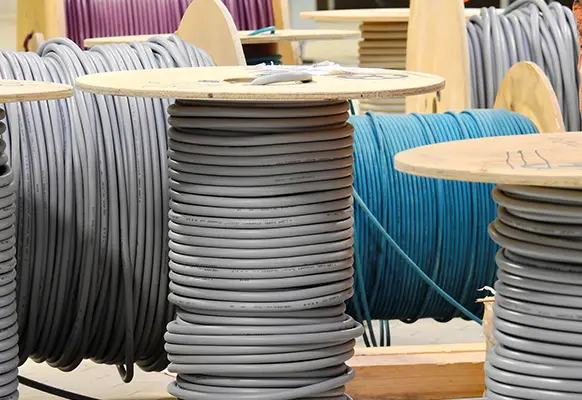
Grafted silane crosslinking systems (Sioplas/Monosil) for low, medium, and high-voltage power transmission cables.
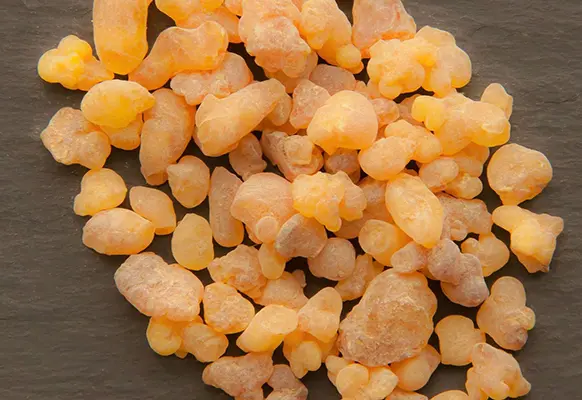
Optimizing viscosity, dispersion, and mechanical properties in epoxy, polyester, and polyurethane casting systems.

Waterproofing additives that reduce freeze-thaw degradation and prevent efflorescence in concrete elements.

Silane coupling coupling agents for glass and carbon fiber epoxy blades, improving composite fatigue life and shear strength.
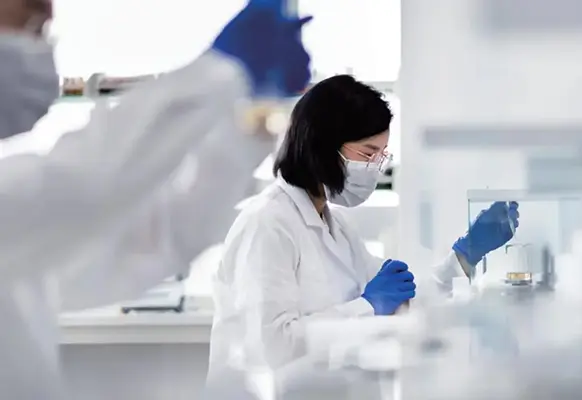
High-purity liquid silicone rubbers engineered for biocompatible applications, fluid lines, and medical packaging.

Providing wash-durable softness, breathability, and wrinkle recovery to synthetic and natural fibers.
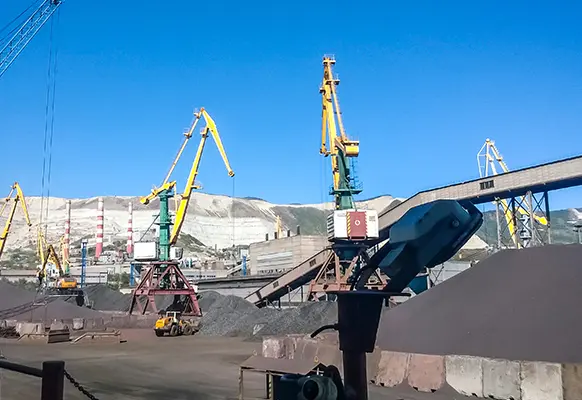
Surface-modifying silica, talc, and calcium carbonate to improve dispersion and lower compound viscosity in polymers.
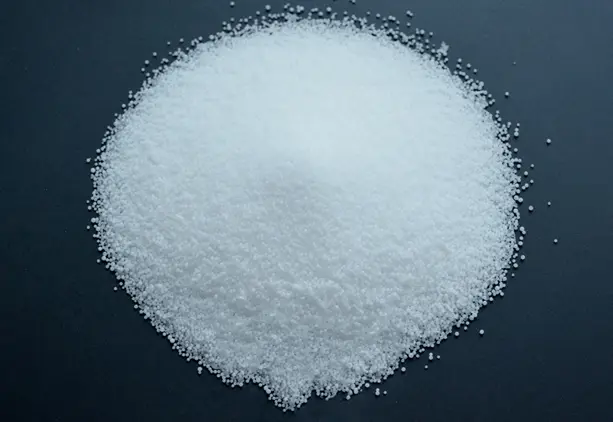
Specialized organofunctional networks designed for high-resolution industrial molds and aerospace composite matrices.
Understanding supply logistics, international quality protocols, and raw material sourcing for high-volume buyers.
For multinational procurement departments, raw material consistency is essential to prevent downtime. At Boctok, our integrated operations source directly from major petrochemical complexes (SINOPEC and PetroChina). By securing upstream feedstocks (such as silicon metal, methanol, and ethylene monomers), we shield our clients from localized cost volatility. Our ISO9001 certified plant in Shouguang maintains extensive inventory reserves of critical silanes to support continuous supply programs.
Navigating international regulatory frameworks is a core competency at Boctok. We actively support REACH registrations for the European Union, TSCA compliance for the United States, and GHS-compliant SDS documentation in multiple languages. Our on-site labs run gas chromatography (GC) purity testing on every production run, ensuring vinyl silane shipments conform to strict active-substance specifications.
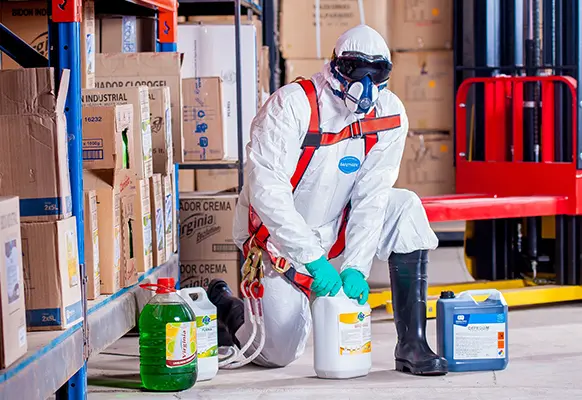
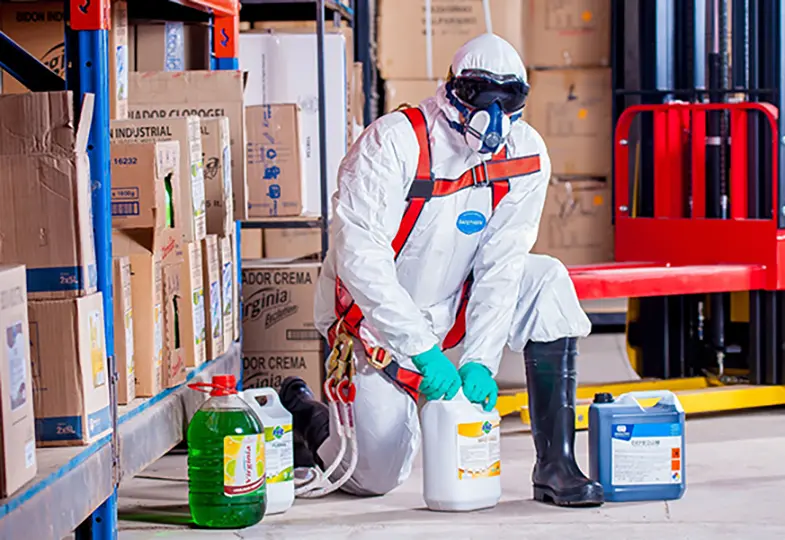
Vinyl silanes are highly moisture-sensitive compounds categorized as hazardous liquids for transport. We offer robust packaging configurations engineered to prevent premature hydrolysis:
• Steel Drums: 190kg/200kg capacity, nitrogen-purged and hermetically sealed.
• IBC Containers: 950kg/1000kg composite intermediate bulk containers.
• ISO Tanks: 20,000kg+ bulk liquid shipments for large-scale production plants.
Our logistics teams coordinate with leading ocean carriers and rail networks to manage customs clearances and port routing efficiently.
Boctok provides localized technical support, assisting with line-grafting parameters, extruder temperature settings, catalyst dosage adjustments (such as organotins), and troubleshooting moisture-curing rooms. This service helps clients maximize product physical properties while minimizing manufacturing waste.
Leading the shift toward sustainable chemistry and high-performance polymer crosslinking.
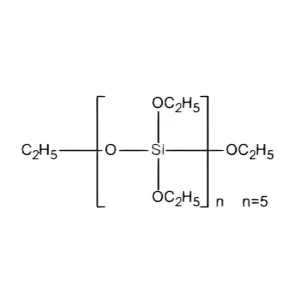
Conventional methoxy-based silanes release methanol during hydrolysis, which carries occupational safety concerns. Industry research is driving the adoption of ethoxy-based alternatives (VTEO) and oligomeric vinyl silanes. These alternatives release non-toxic ethanol or lower levels of volatile organic compounds during crosslinking.
The global push for solar energy and electric vehicles requires highly durable polymers. Vinyl silane crosslinkers are increasingly used in EVA and POE encapsulant films for photovoltaic modules. They provide long-term adhesion, high UV resistance, and excellent moisture barrier properties under harsh outdoor conditions.
Modern silane synthesis is shifting toward fully automated, closed-loop continuous reaction processes. Integrating AI-driven DCS systems helps minimize energy consumption, control reaction temperatures, and reduce process impurities to parts-per-billion levels.
Technical answers to common questions about formulation, application, and supply logistics.
Browse our selection of specialized silanes, resins, and defoamers designed for high-performance applications.
 Boctok Chemical