Discover our globally trusted, high-purity organosilicon reagents, coupling agents, and specialized agricultural chemical intermediates.
Founded in 2012, Shandong Boctok Chemical Co. has steadily scaled to become a globally recognized pioneer in chemical manufacturing. In 2023, the organization achieved a monumental milestone of US$280 million in annual sales, positioning itself as a dominant provider of high-grade organosilicone compounds, premium hydrocarbon resins, and agricultural formulations. The BOCTOK brand is strategically committed to providing highly localized and tailored product lines to meet the strict demands of the Russian and Eurasian markets, while expanding its footprints seamlessly across other continents.
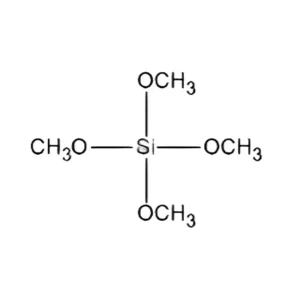
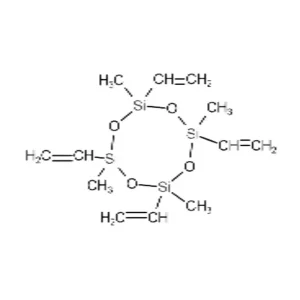
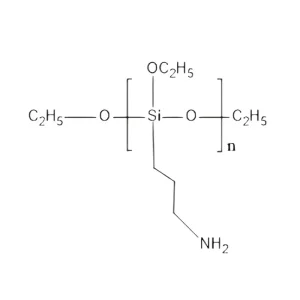
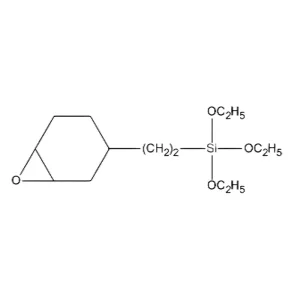
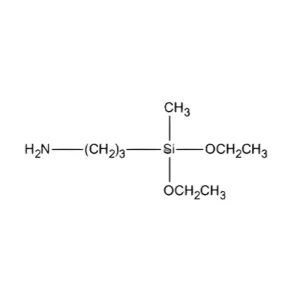
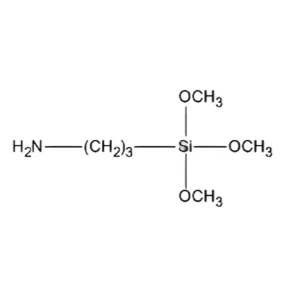
Our organosilicone portfolio spans a vast selection of twelve specialized silane coupling agents and crosslinkers including: aminosilane, methacrylate silane, epoxy silane, vinyl silane, mercaptosilane, alkyl silane, ethyl silicate, chlorosilane, silane isocyanates, phenyl silane, ureidosilane, and serosilane. Beyond coupling agents, we are renowned for high-performance silicone fluids, structural resins, and elastomers, including high-hydrogen silicone oil, dimethicone (polydimethylsiloxane), vinyl silicone oil, polyphenylmethyldimethylsiloxane, phenyl silicone oil, silanol fluid, OH polymers, alkoxy silicone oil, methyl MQ resin, vinyl VMQ resin, and various room-temperature and high-temperature vulcanized rubbers.
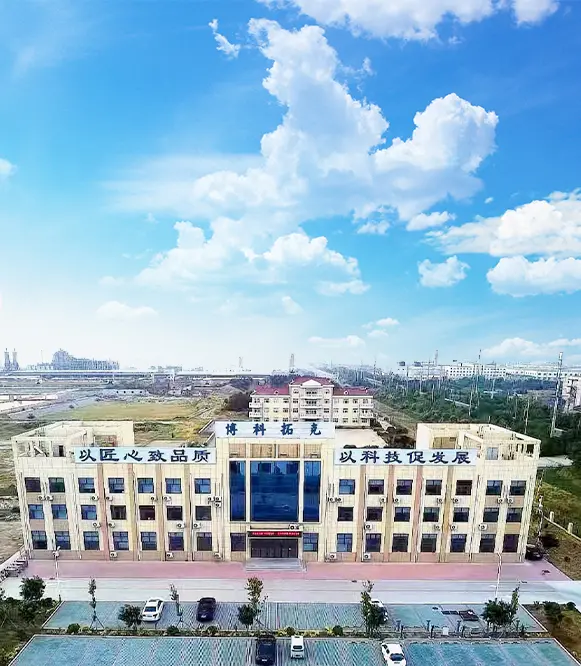
An authoritative deep dive into the chemical properties, synthesis standards, global demand, and the supply chain resilience of Polydimethylsiloxane (PDMS).
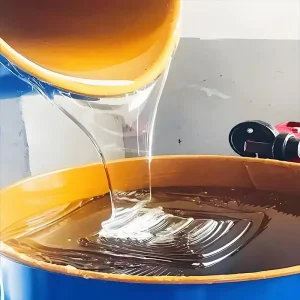
Oily Methyl Silicone Oil, chemically designated as Polydimethylsiloxane (PDMS) with the repeating molecular structure of [SiO(CH3)2]n, is a highly stable, non-reactive organofunctional fluid. Due to the high bond energy of the silicon-oxygen backbone (460 kJ/mol compared to 348 kJ/mol for C-C bonds), this fluid offers unprecedented thermal stability, excellent dielectric properties, and outstanding resistance to oxidation and weathering. Manufacturers select methyl silicone oils for their low surface tension (typically 20-21 mN/m) and chemical inertness, which enable superb spreadability, film-forming capability, and lubrication at interface boundaries.
Depending on the polymerization degree, methyl silicone fluids can range from low-viscosity volatile liquids to high-viscosity gums. This makes them ideal for targeted lubrication, hydraulic damping, and cosmetic base fluids. The tables below show key engineering properties for our high-purity methyl silicone fluid ranges:
| Property Parameter | Low Viscosity Grade (5 - 20 cSt) | Medium Viscosity Grade (50 - 1000 cSt) | High Viscosity Grade (5000 - 60000+ cSt) |
|---|---|---|---|
| Refractive Index (nD25) | 1.390 - 1.400 | 1.401 - 1.403 | 1.403 - 1.404 |
| Flash Point (Open Cup, °C) | > 135°C | > 300°C | > 315°C |
| Pour Point (°C) | -65°C | -55°C | -50°C |
| Surface Tension (mN/m) | 19.5 - 20.8 | 20.8 - 21.2 | 21.2 - 21.5 |
| Dielectric Constant (25°C, 50Hz) | 2.60 - 2.70 | 2.70 - 2.80 | 2.75 - 2.85 |
In the contemporary B2B landscape, procurement officers and materials engineers do not merely look for suppliers; they search for vertical integration and quality assurance. Research into user intent reveals that global enterprise buyers focus on three key metrics: purity consistency, raw material supply security, and supply chain speed. Oily methyl silicone oils are highly demanded in automotive damping, electronic thermal management, paper defoaming, textile finishing, and high-performance lubricants.
The geopolitical shifts in chemical supply chains have led to a diversification of sources. Organizations look toward certified factories in China that combine vast scale with raw material compliance (such as REACH registration and RoHS compliance). Shandong Boctok Chemical, with its strategic integration, represents a resilient supplier able to guarantee consistent output despite global raw material price fluctuations.
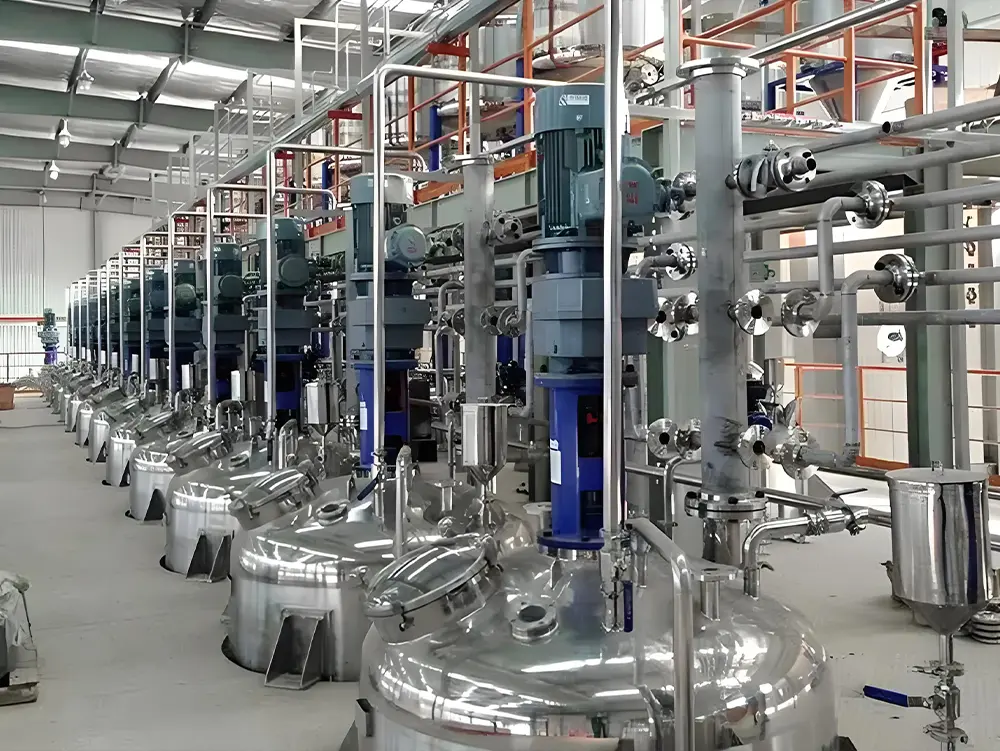
To meet the strict specifications of Fortune 500 chemical procurers, Boctok invested US$65 million in building a state-of-the-art facility in the Bohai Industrial Park, Shouguang City, Shandong Province. This facility runs 6 automated DCS (Distributed Control System) production lines with an annual capacity of 30,000 tons of silane coupling agents and silicone derivatives. Automation guarantees precise reaction control during polymerization, hydrolyzation, and condensation processes, resulting in a polydispersity index close to 1.0 and virtually eliminating batch-to-batch viscosity variance.
In addition to DCS, our operations are equipped with safety instrumented systems (SIS) and environmental treatment units. These include advanced exhaust gas recovery and closed-loop wastewater scrubbing facilities, ensuring compliance with strict environmental regulations.
A glimpse into the heavy industrial machinery, storage systems, and advanced process engineering driving the Shandong Boctok chemical plants.



Leveraging robust strategic alliances with petrochemical giants to produce high-value polymers and agricultural materials.
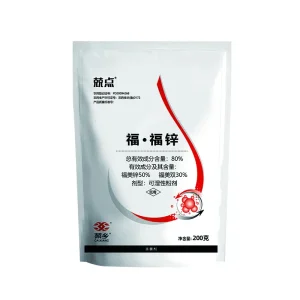
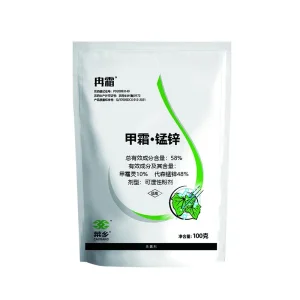
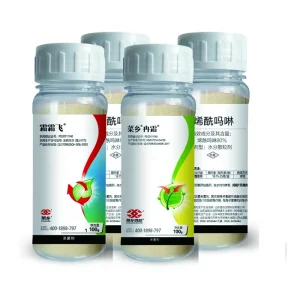
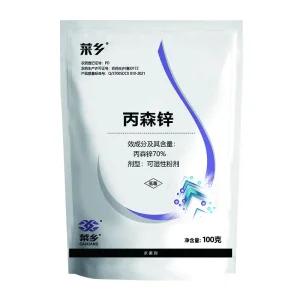
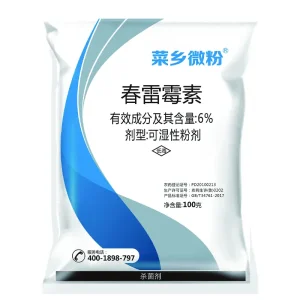
Taking advantage of stable raw materials from SINOPEC and PetroChina, our advanced hydrocarbon resin facilities produce high-purity C9 hydrogenated resins, C5 hydrocarbon resins, C5 modified C9 resins, pure C9 resins, dicyclopentadiene (DCPD), and methyl cyclopentadiene dimer. These resins serve as key tackifiers in hot-melt adhesives, pressure-sensitive tapes, road marking paints, printing inks, and rubber compounding. In addition to resins, Boctok operates a specialized agrochemical branch, synthesizing intermediates for high-efficacy fungicides, herbicides, insecticides, and plant growth regulators.

Industrial-grade silane agents, crosslinkers, silicone oils, hydrocarbon resins, and custom polymer additives.

High-efficacy active ingredients, crop protection raw materials, and organosilicone agricultural adjuvants.
Why multinational manufacturers and Fortune 500 chemical distributors partner with Shandong Boctok Chemical.

Every batch undergoes strict testing, including gas chromatography and gel permeation chromatography, ensuring total conformity with international ISO9001 and REACH standards.

Our highly scalable, state-of-the-art facilities run massive batch synthesis campaigns, accommodating mass customization and custom viscosity requirements easily.

Our expert chemical engineers are available 24/7 online to offer comprehensive technical support, application guidance, and formulation help.

Strategically located near major ports, our logistically optimized supply chain ensures rapid shipment dispatch, custom clearance efficiency, and timely delivery.
How our silicone oils and hydrocarbon resins perform across diverse, highly demanding industrial applications worldwide.

Optimizing emulsion stability and droplet dispersion to guarantee superior leaf wetting and coverage.

Formulating non-toxic protective silicone barrier coatings that reduce moisture loss and insect damage.

Ensuring even distribution of micronutrients through low-tension organofunctional silicone spreaders.

Improving rainfastness of spray treatments using organosilicone surfactants to prevent chemical runoff.

Increasing the bio-availability of growth regulators with high-purity non-reactive silicone additives.
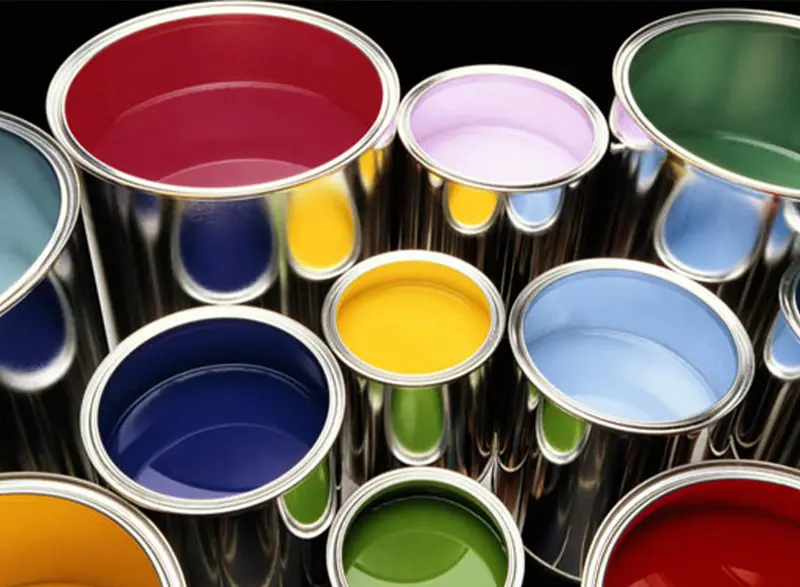
Supplying C9 and C5 resins to increase thermal resistance, film hardness, and gloss in industrial paints.
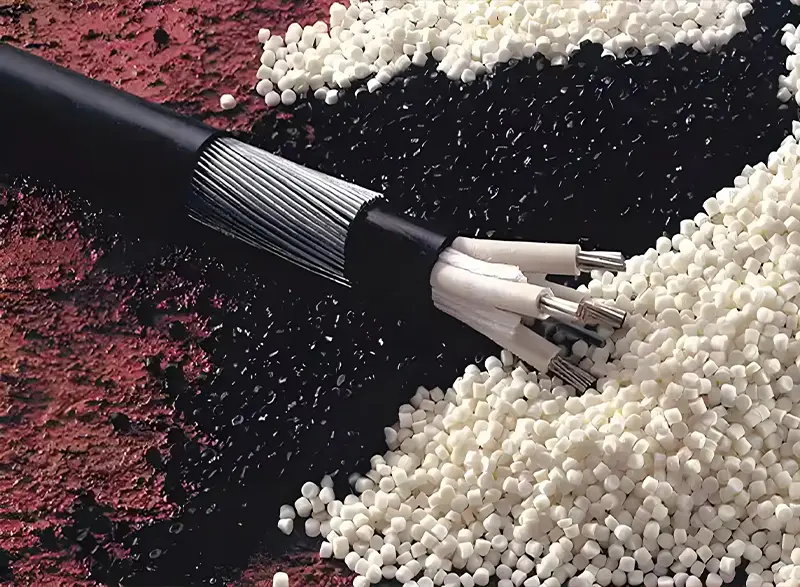
Using high-dielectric silicone fluids to insulate high-voltage XLPE cable connectors and potting housings.

Adding ultra-soft touch, elasticity, and durable water repellency to natural and synthetic fibers.
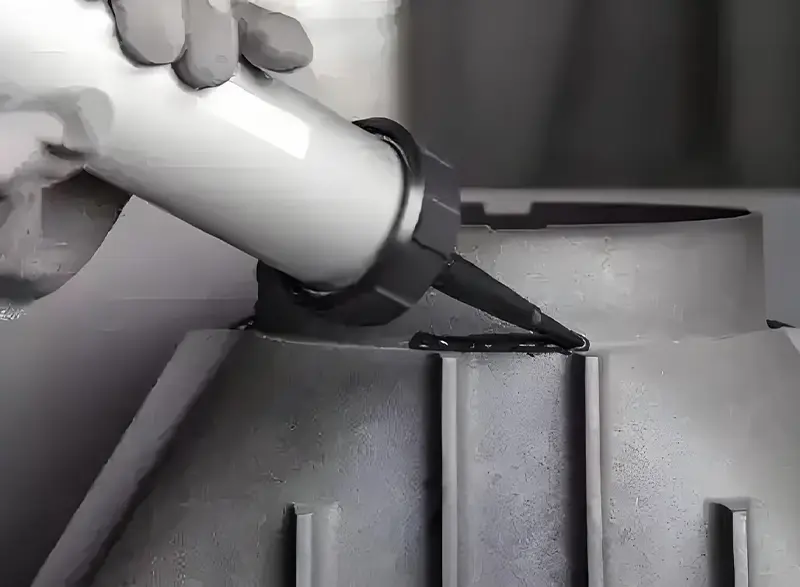
Formulating crosslinked silane coupling agents to bond substrates in high-moisture structural environments.
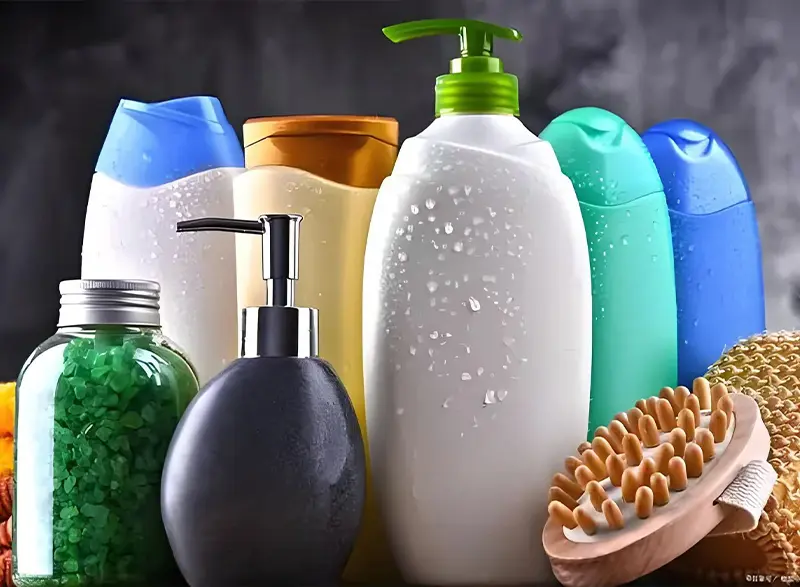
Providing skin-safe dimethicones for smooth skin texture, silky feel, and non-greasy makeup products.
A complete breakdown of our operational areas, detailing the integration of organofunctional silanes and specialty fluids.

Silicon intermediates and defoamers used for fermentation and active ingredient synthesis.
Read Technical Manual
Silicone fluids (Dimethicone / Cyclopentasiloxane) providing gloss and spreadability.
Read Technical Manual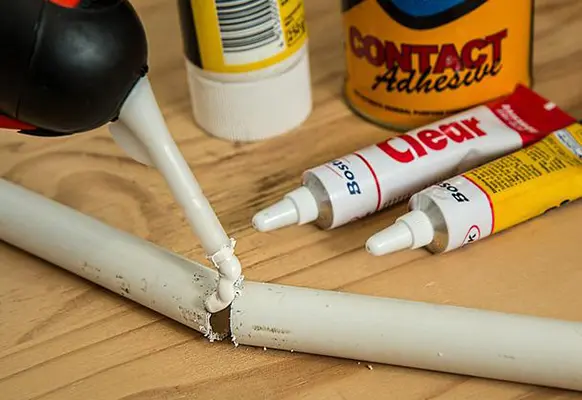
Hydrocarbon resin tackifiers combined with aminosilanes to optimize lap shear strength.
Read Technical Manual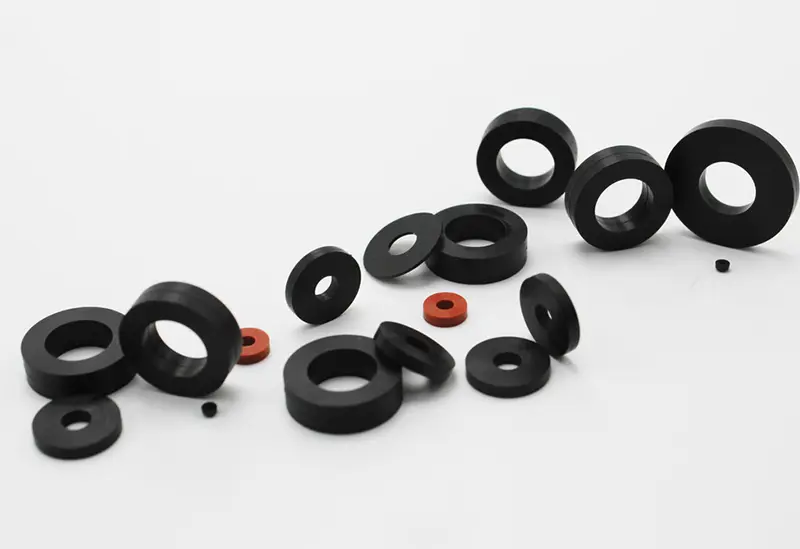
Silane coupling agents designed to link silica to synthetic and natural rubber matrices.
Read Technical Manual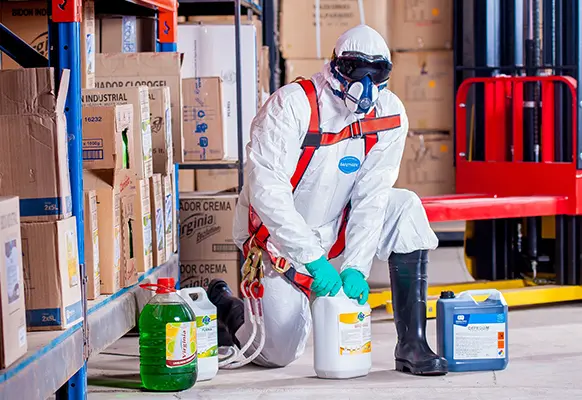
Silicone-modified alkyd resins that resist chemical degradation and extreme weather conditions.
Read Technical Manual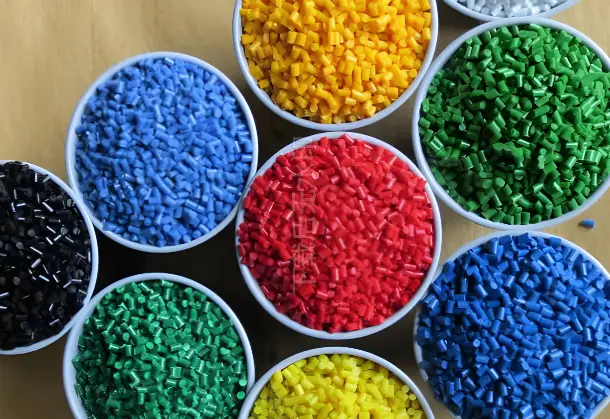
Internal mold releases and surface friction modifiers designed for thermoplastic processing.
Read Technical Manual
Providing raw materials for spray adjuvants and low-foaming organofunctional fluids.
Read Technical Manual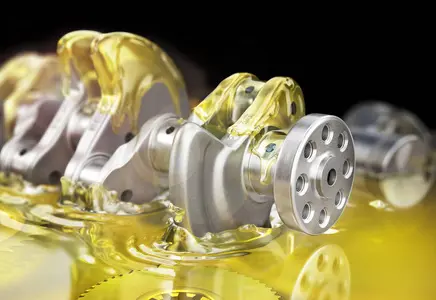
Phenyl silicone fluids engineered to slowly bleed out of LSR, keeping sealing surfaces lubricated.
Read Technical Manual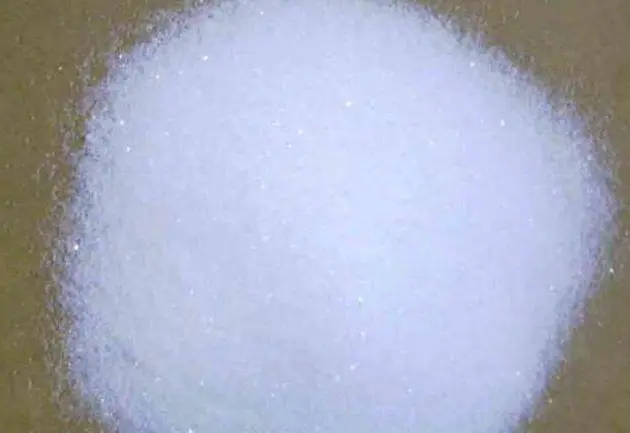
High-performance compounds designed to break foam in water treatment and petroleum refining.
Read Technical Manual
Hydrogen silicone fluids used to coat gypsum boards, providing long-lasting water repellency.
Read Technical Manual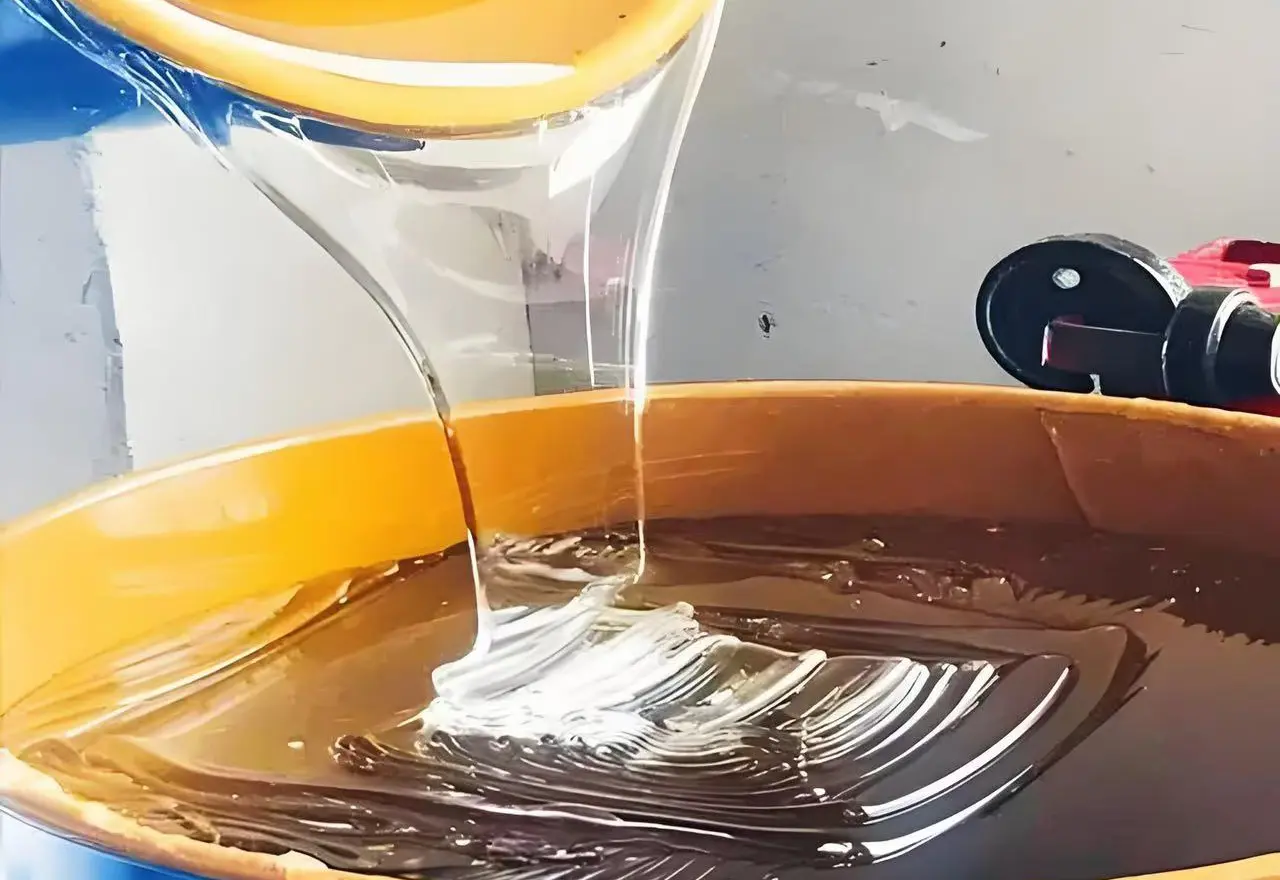
Standard and custom viscosity fluids serving as heat transfer media and calibration standards.
Read Technical Manual
Specialty lubricants and dampers built to handle high-G forces and wide temperature ranges.
Read Technical Manual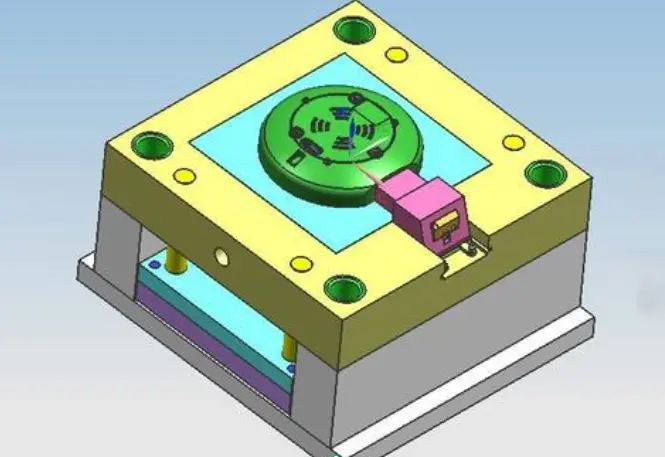
Emulsified silicone systems providing high dilution stability and residue-free releases.
Read Technical Manual
High-purity coatings and thermal compounds formulated for semiconductors and power devices.
Read Technical Manual
Pore-penetrating silane treatments that protect concrete surfaces from freeze-thaw cycles.
Read Technical Manual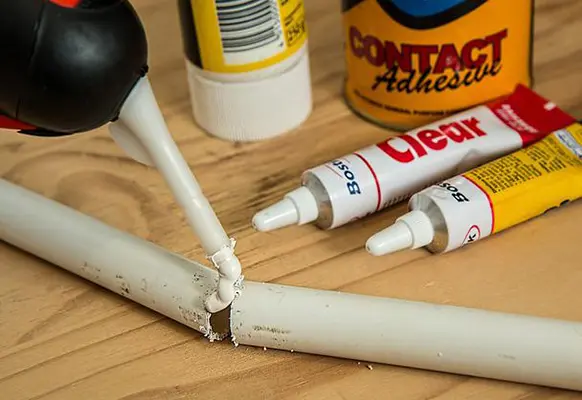
Providing crosslinking agents that cure room-temperature vulcanizing (RTV) sealants.
Read Technical Manual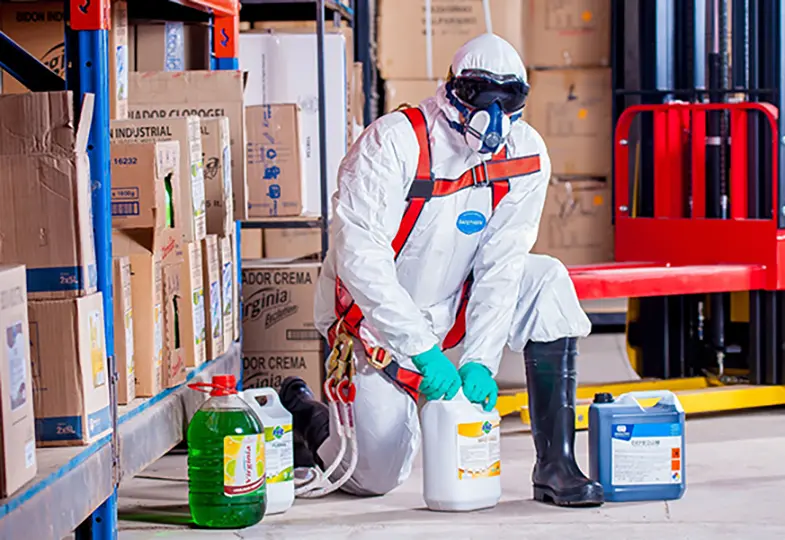
Silicone leveling agents that eliminate craters, orange peel, and surface tension defects.
Read Technical Manual
Functional silanes acting as rust-preventive conversion coatings on steel and aluminum.
Read Technical Manual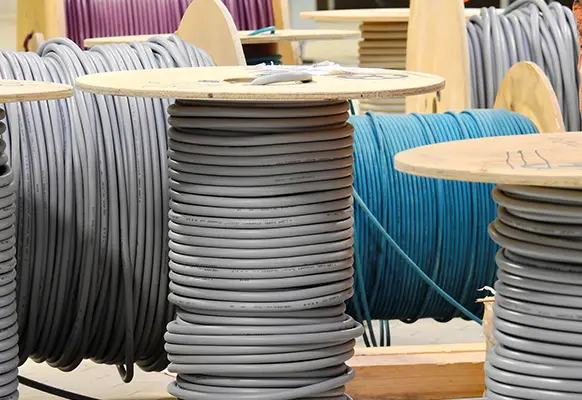
Vinyl silanes designed for crosslinking polyethylene (XLPE) power transmission cables.
Read Technical Manual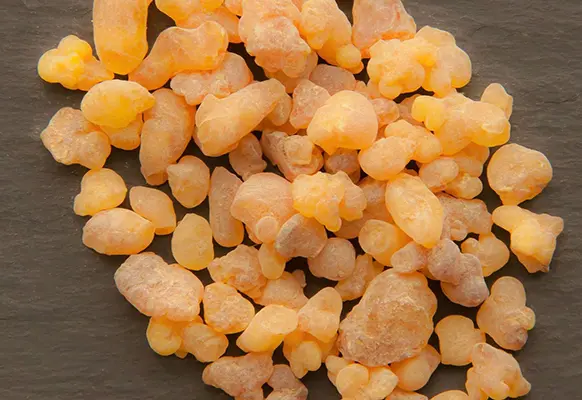
Building polymers with customized methyl silicone segments to improve heat deflection.
Read Technical Manual
Improving extrusion rates of mineral-filled compounds using specialized alkyl silanes.
Read Technical Manual
Epoxy and aminosilane coupling agents used to reinforce glass fibers in turbine blades.
Read Technical Manual
Highly purified dimethyl silicone fluids designed for medical lubrication and device coating.
Read Technical Manual
Amino-functional silicone fluids providing excellent softness and yellowing resistance.
Read Technical Manual
Modifying silica, talc, and kaolin surfaces to improve dispersion in polymer matrices.
Read Technical Manual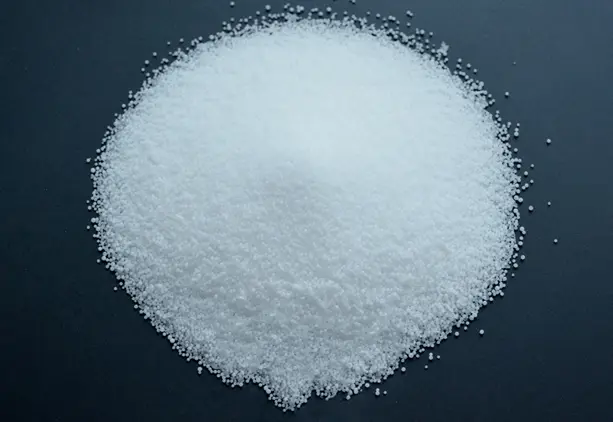
Ultra-dispersed emulsions designed for specialized surface treatments and coatings.
Read Technical ManualTechnical and procurement answers designed for sourcing managers and process engineers working with organosilicon fluids.
A1: Unlike organic hydrocarbon oils, methyl silicone oil (PDMS) features a siloxane (Si-O-Si) backbone. This structure provides wide thermal operating limits (-50°C to +200°C), low viscosity-temperature coefficients, excellent shear resistance, high dielectric strength, and chemical inertness, making it ideal for harsh industrial environments.
A2: We use advanced Distributed Control Systems (DCS) at our Shouguang facility to regulate polymerization temperature, reaction times, and molecular weight distribution. Our QC laboratory verifies viscosity, flash point, and volatile content using gas chromatography before releasing any batch.
A3: Our products comply with major global environmental and quality standards. We provide full REACH registration for European exports, RoHS declarations, safety data sheets (SDS) in multiple languages, and detailed Certificates of Analysis (COA) for every shipment.
A4: Yes, our production lines can produce custom viscosities from low-viscosity volatile fluids (5-10 cSt) to high-viscosity gums (up to 1,000,000 cSt). We also supply custom-tailored organofunctional blends for cosmetic, industrial, and agricultural use.
A5: Hydrocarbon resins (C5 and C9) are critical raw materials for sealants, paints, and adhesives. By combining hydrocarbon tackifiers with our silane coupling agents and silicone fluids, we supply integrated solutions for the industrial coatings and adhesive manufacturing sectors.
A6: Standard MOQ ranges from 1 to 5 metric tons depending on the product grade. For major ports in Europe, North America, and Russia, lead time is typically 14 to 28 days from order confirmation, depending on maritime shipping routes and customs processes.
Discover our highly technical, globally exported silicones, high-hydrogen fluids, and specialized agrochemical agents.
 Boctok Chemical