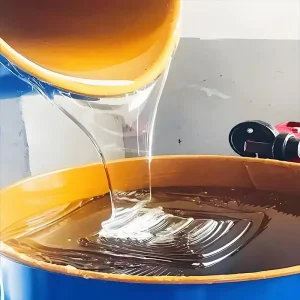
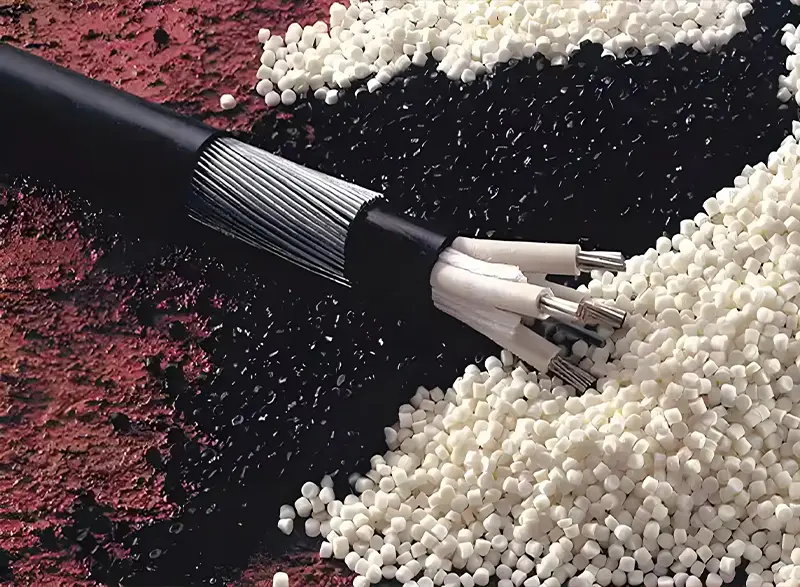
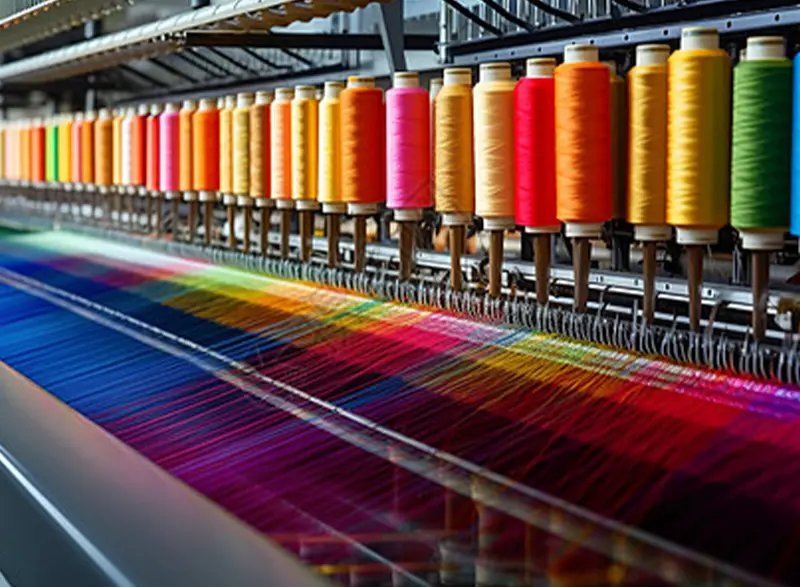
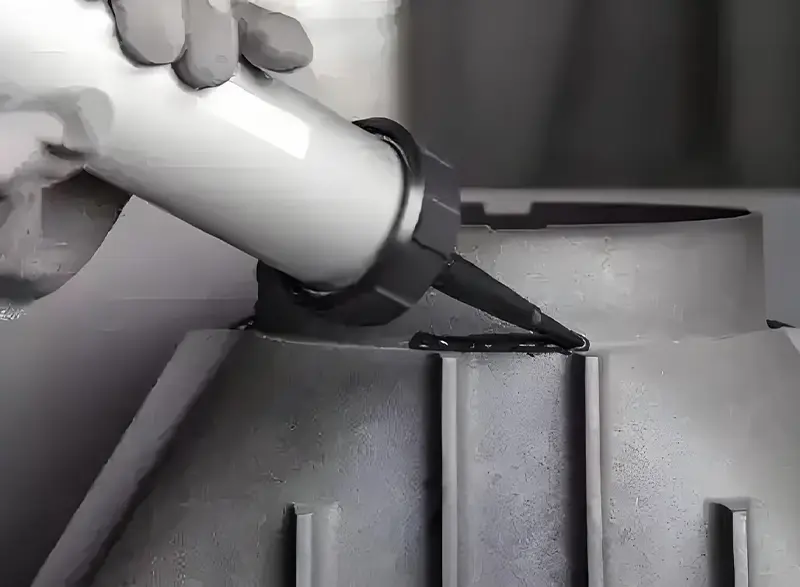
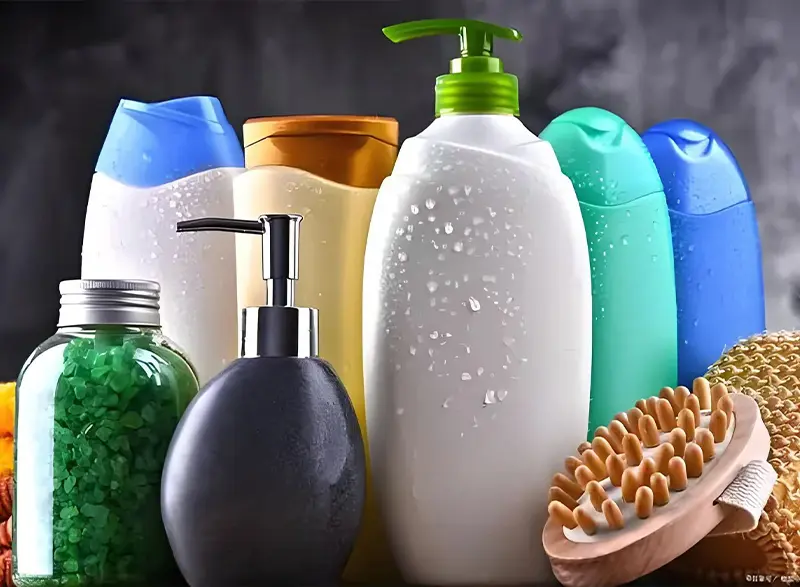
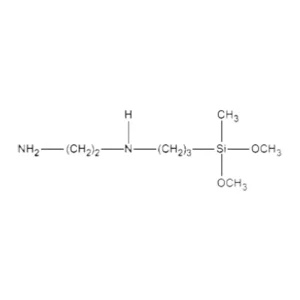
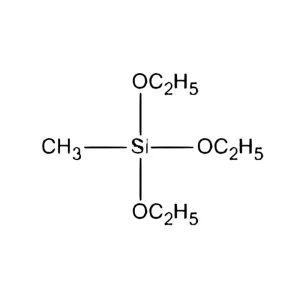
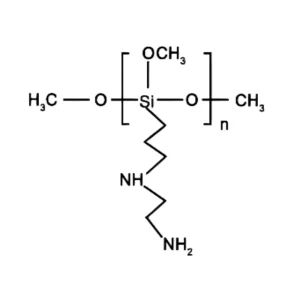
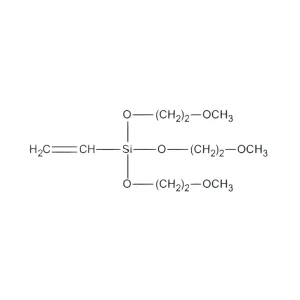
In modern high-voltage power transmission, high-speed rail networks, and aerospace systems, material durability determines network security. As polymer bases encounter moisture, temperature fluctuations, and high electrical stress, the interface between organic substrates and inorganic mineral fillers (e.g., silica, aluminum trihydrate (ATH), magnesium hydroxide (MDH)) becomes the primary point of failure. Here, Insulating Grade Silane Coupling Agents act as crucial molecular bridge builders, forming chemically covalent bonds that optimize electrical insulation resistance and prevent structural delamination.
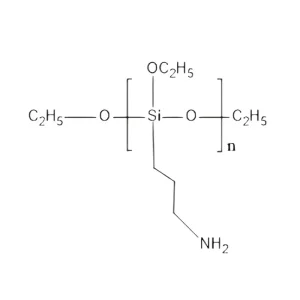
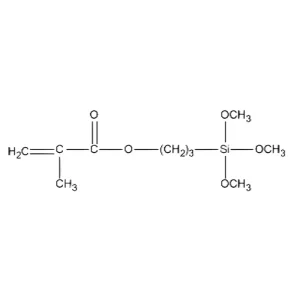
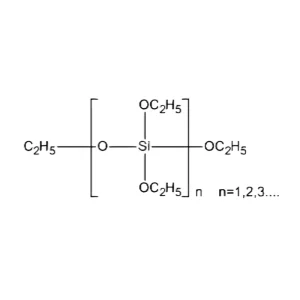
The molecular structure of an insulating grade silane coupling agent contains at least two distinct chemical functional groups. The organofunctional group (such as vinyl, epoxy, or methacrylate) copolymerizes directly with the polymer matrix (e.g., crosslinked polyethylene (XLPE), ethylene propylene rubber (EPR), or liquid silicone rubber (LSR)). Concurrently, the hydrolyzable alkoxy groups (methoxy or ethoxy) undergo hydrolysis to form silanols, which react via condensation with the silanol or hydroxyl groups on the mineral filler surfaces.
This dual reactivity forms a stable, hydrophobic, and moisture-resistant siloxane linkage (Si-O-Si). By displacing absorbed water molecules from the mineral surface, the silane agent dramatically lowers the dissipation factor (tan δ) and maintains high dielectric breakdown strength even under hot, humid operating environments. This is a critical factor for long-term cable service life in medium-to-extra-high-voltage power networks.
By using customized formulations of specialized silane monomers and oligomers, modern compounding facilities can precisely calibrate surface tension, rheology, and cross-linking kinetics. This level of optimization improves processability by lowering compound viscosity, allowing higher filler loadings without sacrificing mechanical properties or elongation at break. The result is a robust polymeric envelope that resists electrical treeing, partial discharges, and tracking under heavy environmental pollution.
Shandong Boctok Chemical Co. was founded in 2012 as a marketing and sales center for Boctok™ domestic and overseas businesses. Combining state-of-the-art manufacturing plants, rigorous quality assurance and international commercial operations, we achieved sales of US$280 million in 2023. The BOCTOK brand specializes in serving the Russian market while supplying premium-tier chemical solutions globally.
Boctok’s core operations are divided into three main product categories:
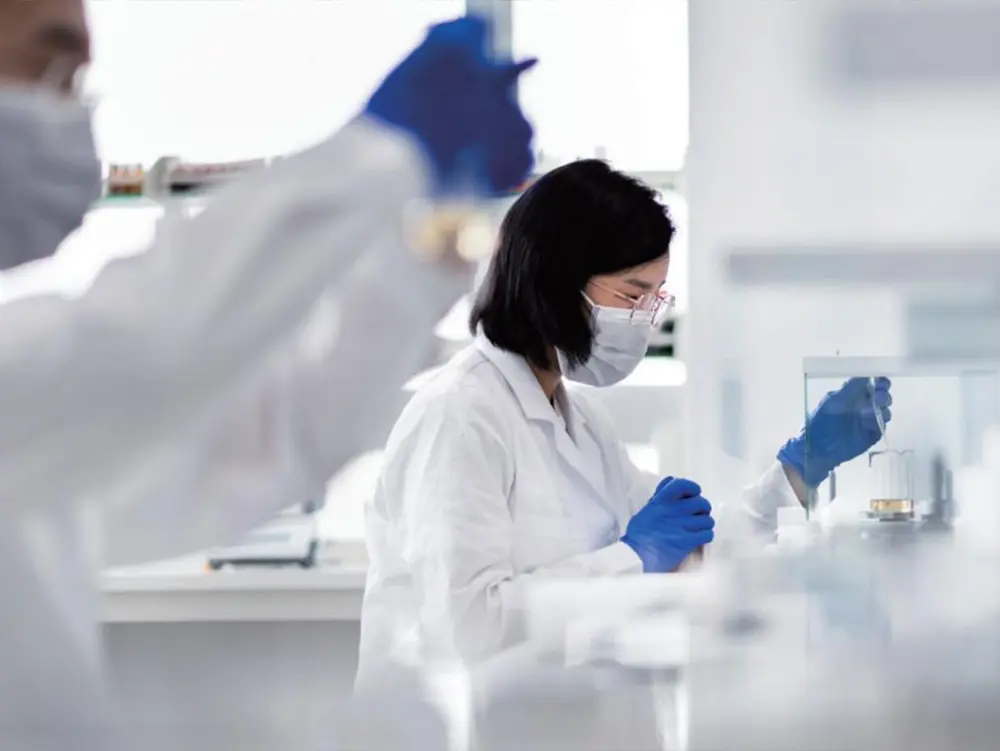
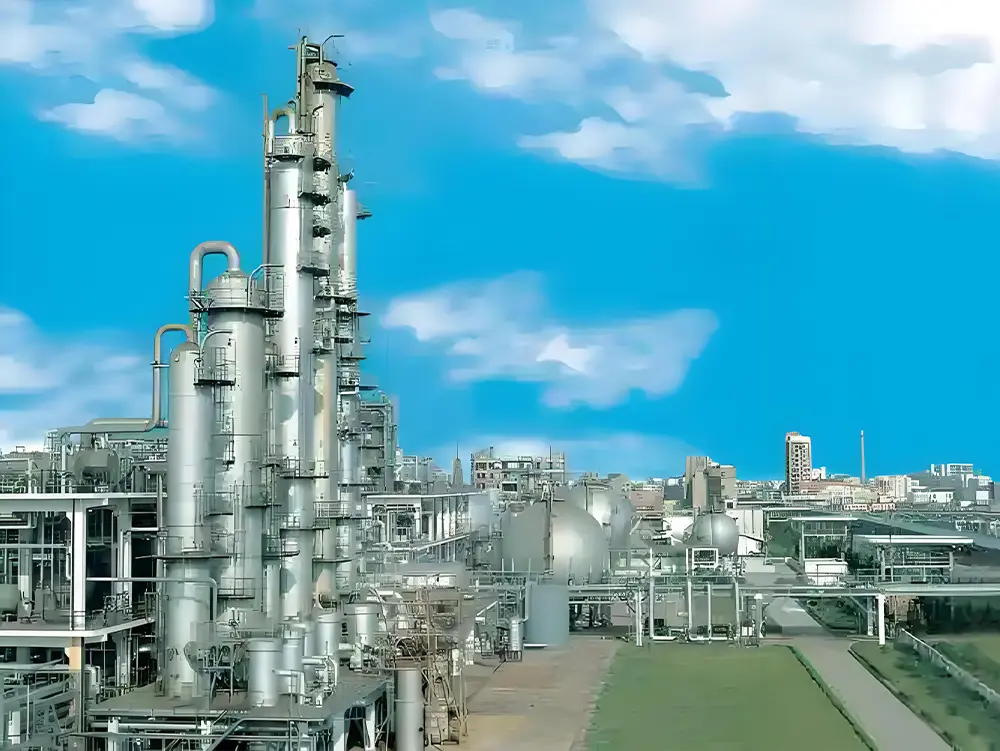
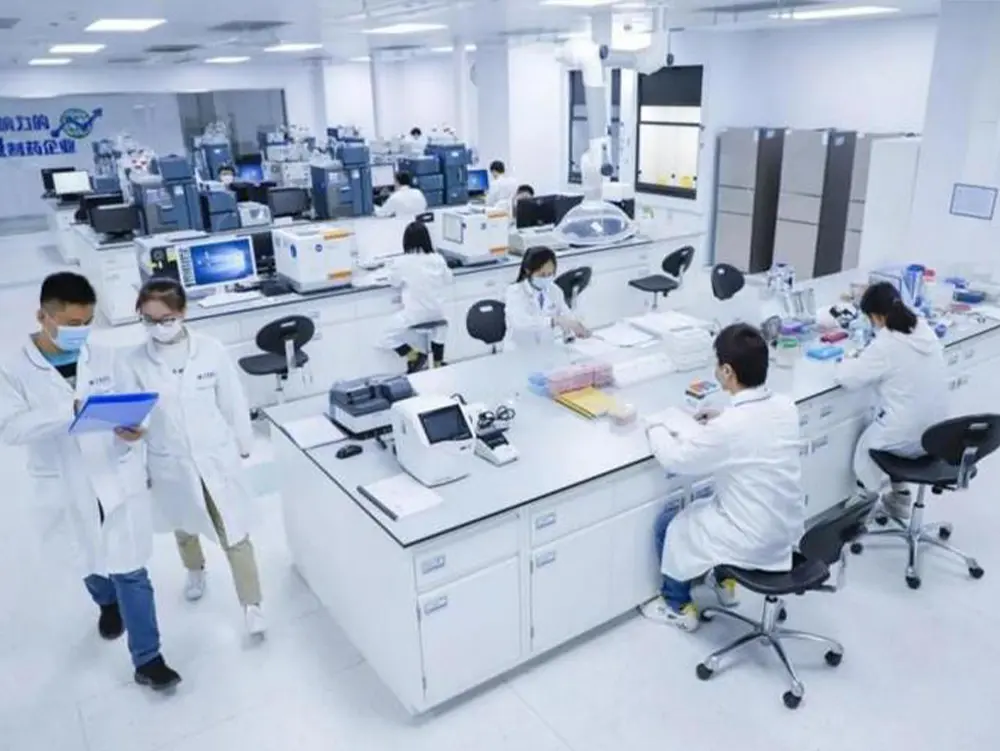
Boctok leverages deep supply chain integrations, continuous technical improvements, and automated manufacturing processes to supply consistent, premium-quality materials for domestic and export markets alike.

Our products undergo rigorous testing to ensure that every aspect meets the highest quality standards.

We have advanced production lines that allow us to effectively expand production capacity and meet the demand for mass customization.

Our professional team is available online 24 hours a day to provide attentive service and answer all your questions.

An optimized logistics system ensures fast order processing and timely delivery to customers.
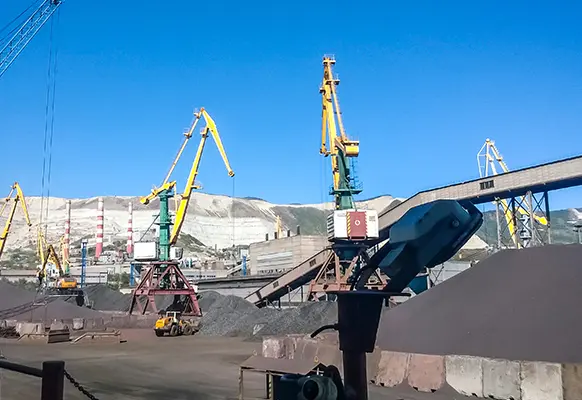
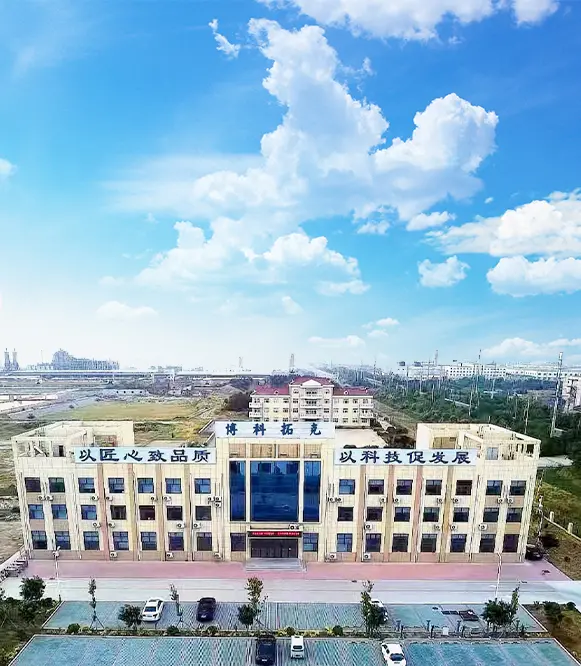
To support growing global demand for silane coupling agents and crosslinkers, Shandong Boctok Chemical Co. invested US$65 million to build a modern production plant located in the Bohai Industrial Park, Shouguang City, Shandong Province. This specialized chemical park offers integrated utilities, automated safety networks, and strict environmental compliance features.
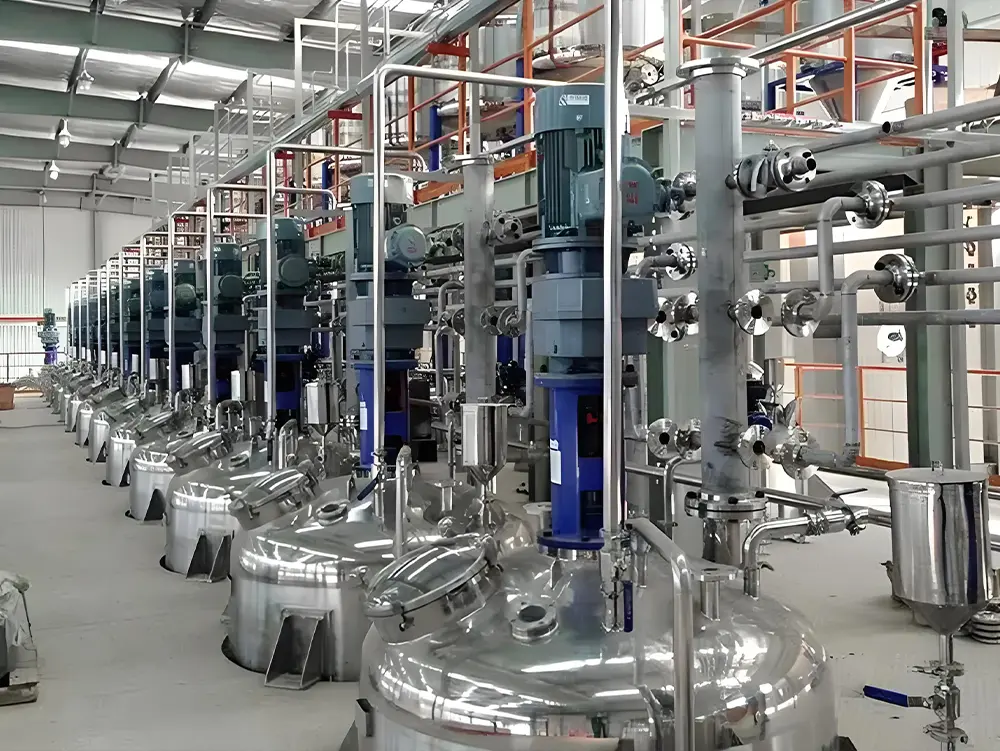
The Shouguang facility features 6 fully automated DCS (Distributed Control System) production lines. With an annual capacity of 30,000 tons of high-purity silane coupling agents, this unit provides long-term supply stability for multi-national manufacturers. The implementation of DCS and SIS (Safety Instrumented Systems) ensures that critical process variables, including raw feed ratios, temperature profiles, and pressure limits, are monitored and adjusted in real time, preventing batch deviation and guaranteeing high reliability.
Industrial organosilicone production requires responsible chemical design. Our Shouguang facility operates customized waste gas treatment and thermal oxidizers, alongside advanced water purification processes. This ensures all volatile organic compound (VOC) emissions and process byproducts are collected and neutralized in accordance with national green manufacturing guidelines.
By integrating raw material supplies directly with national refiners like SINOPEC and PetroChina, Boctok manages fluctuations in silicon metal, vinyl monomers, and alcohols, offering global buyers a more stable price structure and protection against market volatility.
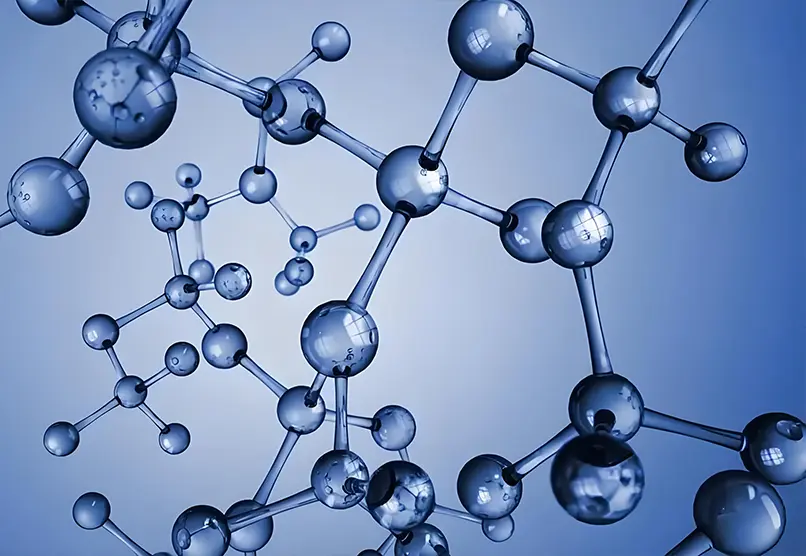
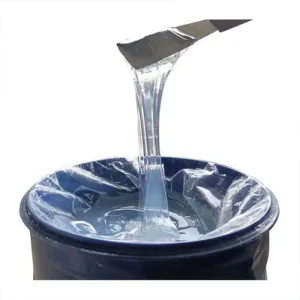
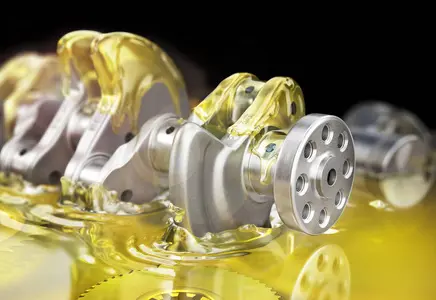
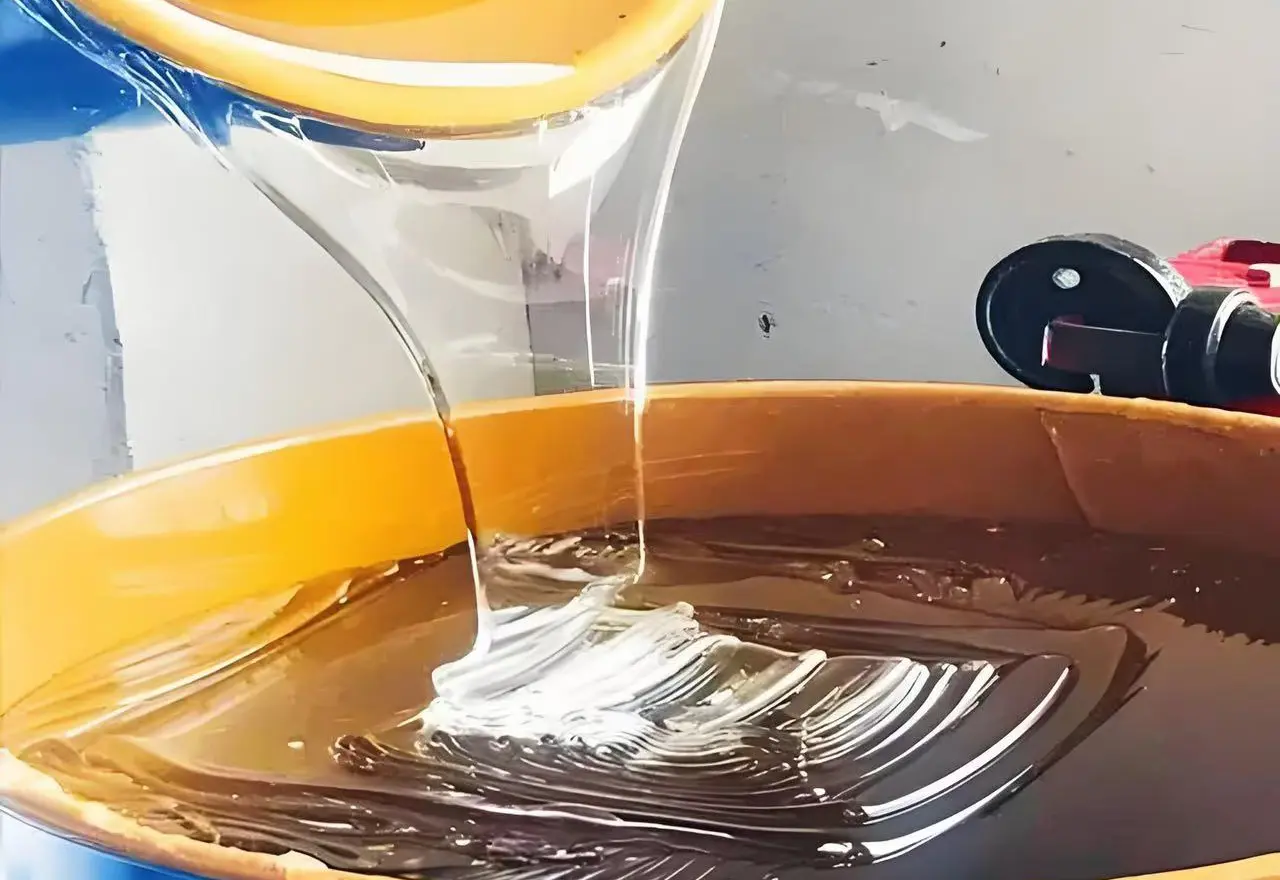
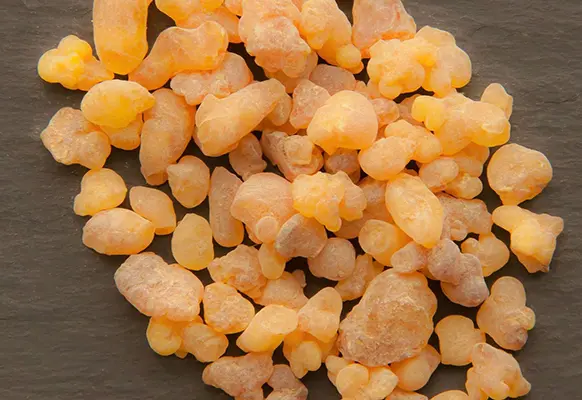
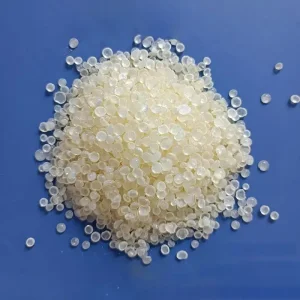
Our organosilicone matrix products cover everything from specialized silane coupling agents to highly specialized silicone resins and rubbers, offering tailormade solutions for modern composite industries.
Learn More about Chemical Materials →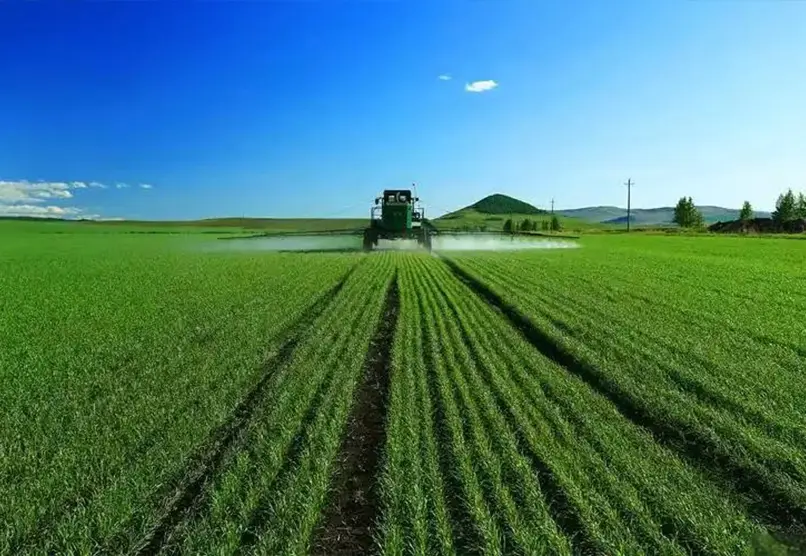
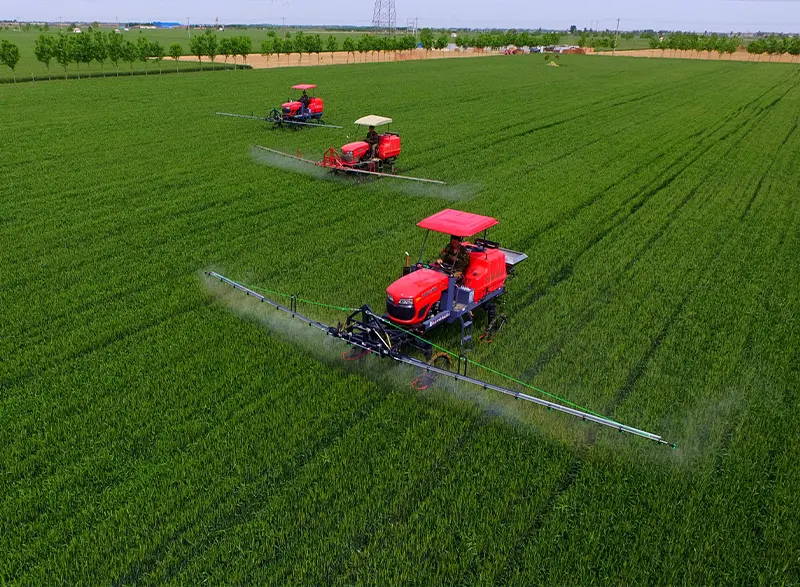
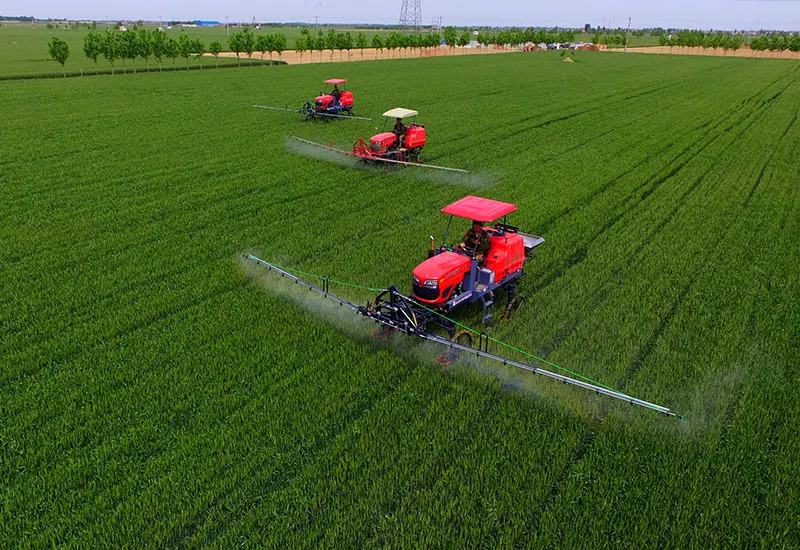
Pioneering active ingredients and intermediate chemistry to synthesize top-grade plant growth regulators, insecticides, fungicides, and customized herbicides.
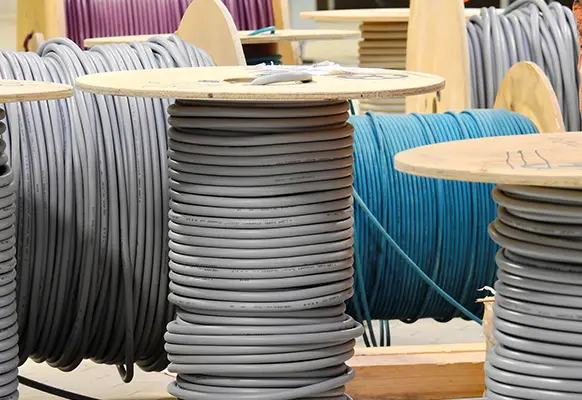
Learn More about Agrochemicals →Global demand for cleaner energy grids is driving the use of XLPE cables to higher voltage levels (above 500 kV). At these levels, any microscopic defect at the interface of the copper conductor and the polymer jacket can cause local electrical field concentrations. Our specialized vinyl and amino silanes prevent the ingress of water molecules, maintaining crosslinking uniformity and thermal stability over multi-decade lifespans.
EV power electronics generate substantial heat and encounter continuous vibration. Flame-retardant silicone insulation compounds, enhanced with functional silane coupling agents, ensure excellent adhesion between the metal busbars and the silicone insulation. This prevents cracking, reduces thermal degradation, and protects the safety of the vehicle's high-voltage electrical architecture.
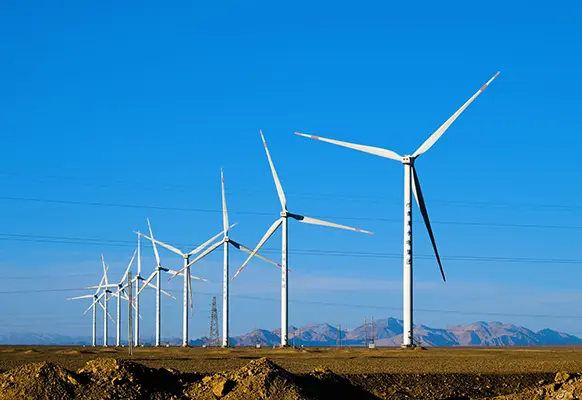
Offshore wind farms and subsea energy links operate in highly corrosive environments under constant mechanical stress. Applying hydrophobic silanes to the protective coatings and jointing materials prevents saline moisture ingress, minimizing corrosion-induced failures and the need for costly subsea maintenance.
Explore our detailed applications across industries, utilizing custom-tailored organosilicone derivatives and petroleum hydrocarbon resins to deliver optimal performance.
For international tier-1 cable manufacturers and silicone component developers, material procurement involves more than just bulk orders; it requires meeting strict compliance criteria. Our products are fully compliant with regulations such as REACH and RoHS. The automated process design at our Shouguang facility guarantees batch-to-batch consistency, minimizing differences in active content, density, and volatile components.
We work with international logistics providers to ensure fast transit times and secure handling. In addition, our engineers assist procurement departments with custom hydrolysis rate calibrations, helping to match specific process configurations and extrusion parameters.
Every manufacturing line presents unique challenges. Whether you need silane coupling agents for glass-fiber reinforced thermoplastics, EVA/XLPE wire compounds, or high-consistency silicone rubber (HCR), our technical support team is available to help optimize dosing levels and blending sequences. We provide comprehensive documentation, including detailed Safety Data Sheets (SDS), Technical Data Sheets (TDS), and Certificates of Analysis (COA) for every shipment.
 Boctok Chemical