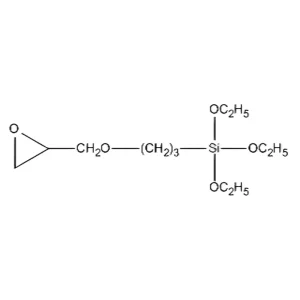
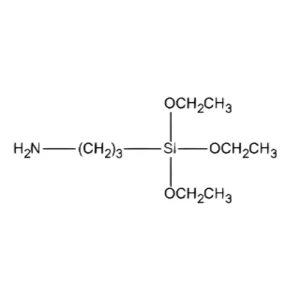
In modern industrial chemistry, the interface between organic polymers and inorganic substrates has long been a critical bottleneck for material durability, adhesion strength, and environmental resistance. Epoxy silanes represent one of the most versatile and technologically vital classes of organosilicon coupling agents designed to resolve this challenge. Functioning as molecular bridges, these bifunctional compounds feature a highly reactive epoxy group on one end (capable of chemical crosslinking with various organic thermosets and thermoplastics) and hydrolyzable alkoxy silane groups on the other (which form strong chemical bonds with inorganic matrices such as glass fibers, silica fillers, and metal oxides).
As leading global industries pivot toward advanced lightweight composites, high-frequency electronic circuits, and ultra-durable protective coatings, the demand for specialized, high-purity epoxy silanes has escalated dramatically. This white paper, curated by Shandong Boctok Chemical Co., provides a comprehensive analysis of epoxy silane chemistry, manufacturing landscapes, global sourcing considerations, and sustainable technical trends shaping the industry.
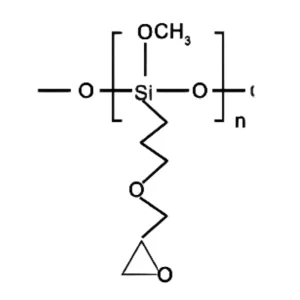
The performance-enhancing capabilities of epoxy silanes, such as 3-Glycidyloxypropyltrimethoxysilane (CAS 2530-83-8) and advanced Epoxy Silane Oligomers (CAS 117329-24-2), lie in their dual-reactivity pathway:
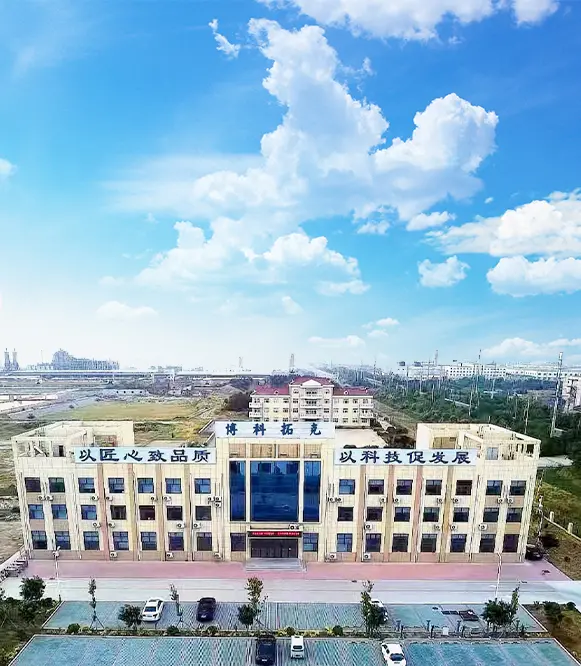
Shandong Boctok Chemical Co. was founded in 2012 as a marketing and sales center for Boctok™ domestic and overseas businesses. Leveraging our commitment to quality, engineering innovation, and customer satisfaction, we achieved sales of US$280 million in 2023. The BOCTOK brand specializes in serving the Russian market while sustaining robust distribution channels across Europe, North America, and Asia-Pacific.
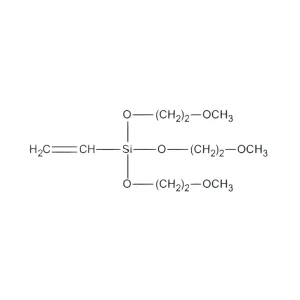
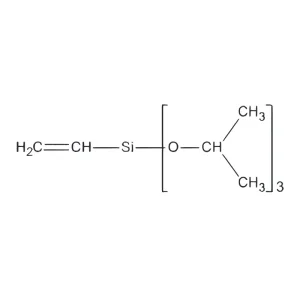
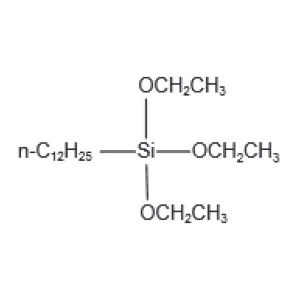
Our core organosilicone business spans twelve sophisticated series of silane coupling agents and crosslinkers. Beyond our flagship epoxy silanes, we specialize in: aminosilanes, methacrylate silanes, vinyl silanes, mercaptosilanes, alkyl silanes, ethyl silicates, chlorosilanes, silane isocyanates, phenyl silanes, ureidosilanes, and serosilanes. We also manufacture top-grade silicone fluids, silicone resins, and specialty silicone rubbers designed to meet stringent industrial tolerances.


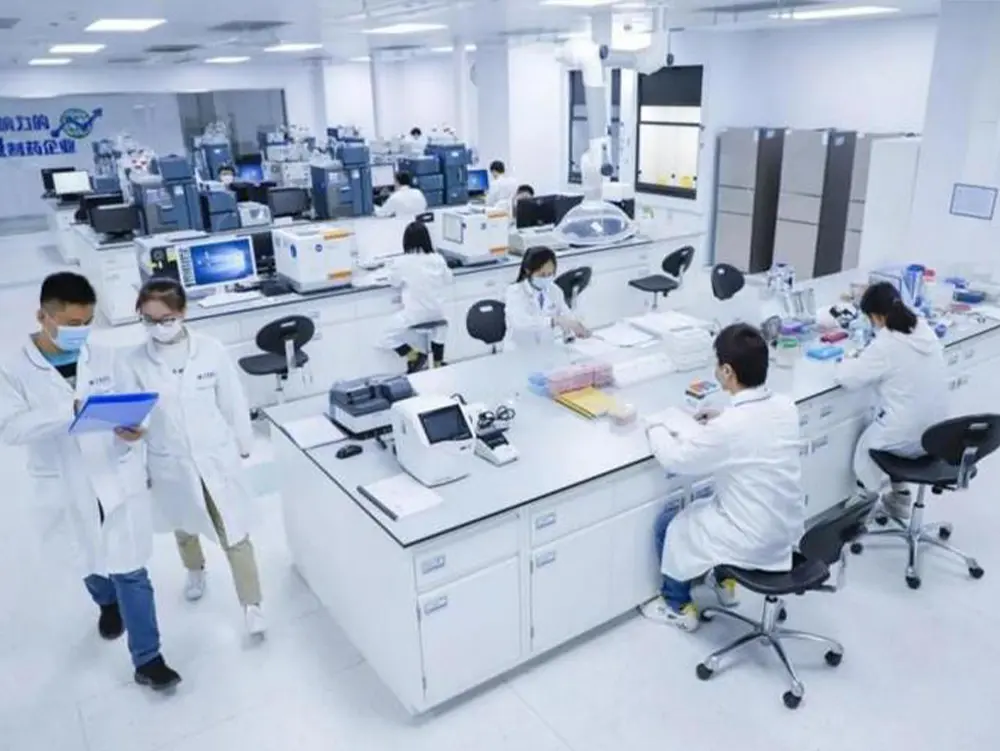
As the world's primary chemical supply hub, China offers unparalleled supply chain dynamics, technical expertise, and infrastructural scalability. Boctok translates these macro strengths into concrete benefits for global procurement teams.
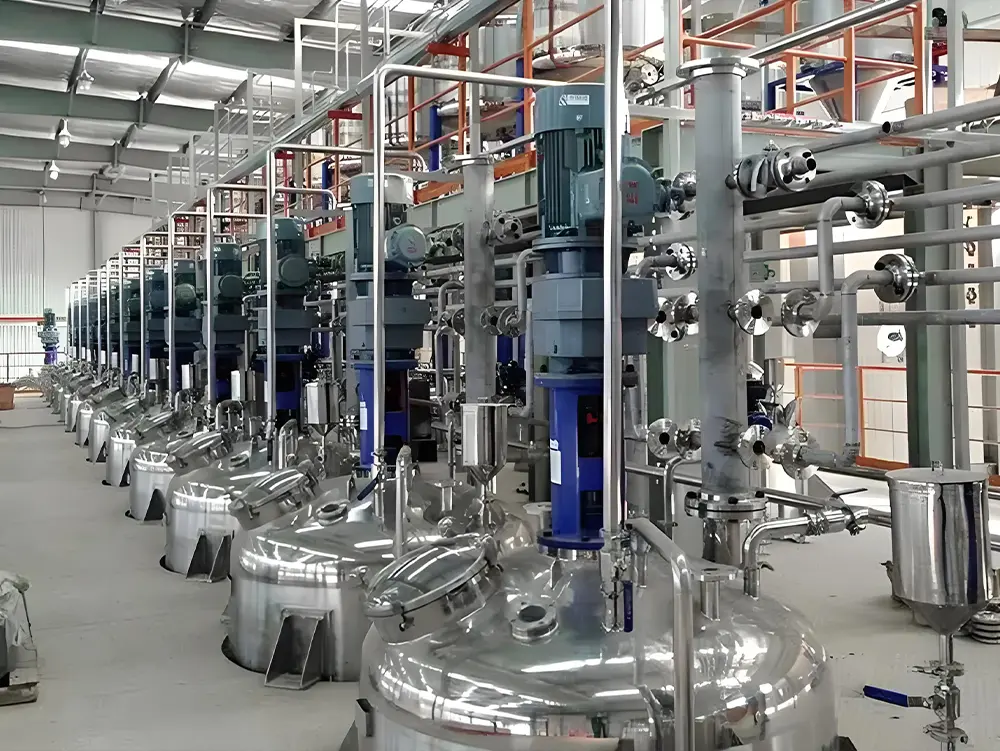
Our recently established plant in Shouguang, Shandong, representing a US$65 million investment, features six fully automated production lines controlled via a distributed control system (DCS) and safety instrument system (SIS). This guarantees uniform purity, batch consistency, and minimized environmental emissions.
Leveraging deep industrial partnerships with state-owned giants SINOPEC and PetroChina, Boctok enjoys prioritized, reliable access to basic petrochemical precursors. This upstream integration shields our global buyers from sudden raw material shortages and volatile price spikes.
Located in Shouguang’s provincial chemical industry park, our manufacturing facility operates under strict environmental protocols. We have integrated advanced waste gas collection thermal oxidizers and centralized biological wastewater treatment installations, ensuring long-term operational sustainability.


Beyond our silicone coupling agents, Boctok's portfolio features high-performance hydrocarbon resins, manufactured across our three strategically positioned joint ventures in Zibo, Fushun, and Nanjing. Our product line-up encompasses C9 hydrogenated resins, C5 hydrocarbon resins, C5 modified C9 resins, and dicyclopentadiene (DCPD) dimers. These systems are critical components in hot-melt adhesives (HMA), pressure-sensitive adhesives (PSA), road marking paints, and premium printing inks used by several Fortune 500 corporations.
Additionally, Boctok supports global agricultural productivity by supplying specialized intermediates for synthesized herbicides, fungicides, insecticides, plant growth regulators, and seed coating treatments. This unique chemical cross-disciplinarity enables us to cross-pollinate chemical synthesis techniques, improving the purity and process efficiency of our core organosilicon offerings.
Our functional silanes and polymeric resin systems solve challenging material dilemmas in global manufacturing, electronics, wind energy, daily chemical products, and protective coatings.
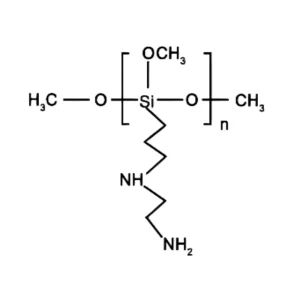
Regulatory frameworks, such as EU REACH regulations and US EPA limits, have pressured coating and adhesive manufacturers to reduce volatile organic compounds (VOCs). Traditional monomeric epoxy silanes generate methanol or ethanol upon hydrolysis. To address this, current R&D focuses on epoxy silane oligomers. Oligomer structures offer multiple epoxy groups with higher molecular weights, resulting in significantly lower alcohol emission during cure cycles, minimized evaporation, and enhanced shelf stability in waterborne systems.
The rise of high-power density EV batteries demands thermal interface materials (TIMs) filled with high loadings of alumina, aluminum nitride, or silicon carbide. Untreated, these inorganic fillers increase viscosity, making formulation processing difficult. Treating these fillers with highly specialized epoxy silanes lowers formulation viscosity, enhances thermal conductivity, and prevents interface degradation under thermal cycling conditions.
Wind turbine blades and aircraft structural components rely heavily on epoxy/glass fiber composites. The integration of 3-Glycidyloxypropyltrimethoxysilane directly onto the glass fibers during manufacturing enhances structural shear strength, moisture protection, and flexural modulus. This chemical coupling ensures structural integrity under extreme oceanic environments.
Procuring raw organosilicons requires a strict evaluation checklist to prevent batch defects, delivery interruptions, and compliance violations. International procurement managers should focus on the following key metrics:
For electronic-grade epoxy silanes (used in semiconductor packaging and capillary underfills), trace metal ions (Cl-, Na+, K+) must be strictly limited to prevent micro-circuit corrosion. Boctok offers analytical reporting via Gas Chromatography (GC) and Inductively Coupled Plasma Mass Spectrometry (ICP-MS).
Since epoxy silanes are highly moisture-sensitive, proper packaging under a dry nitrogen blanket is essential. We ship our materials in heavy-duty HDPE drums, steel drums with fluorinated inner linings, or hermetically sealed IBC containers to ensure a shelf-life exceeding 12 months.
Our optimized global logistics network ensures rapid custom clearance and stable shipping routes from China to North America, Europe, Central Asia, and Russia, mitigating maritime transport bottlenecks.
Epoxy silanes serve as chemical bridge agents. The epoxide ring reacts with active hydrogens in epoxy, polyurethane, or acrylic resins. Simultaneously, the alkoxy silane groups hydrolyze and bond with inorganic surfaces, enhancing interfacial adhesion, water resistance, and mechanical performance.
Monomeric silanes are small molecules with faster hydrolysis kinetics, often releasing higher levels of volatile alcohols. Oligomeric silanes feature pre-polymerized siloxane backbones, yielding lower VOC release during application, higher active group densities, and better storage stability in waterborne formulations.
We run modern, computerized DCS and SIS control systems at our Shouguang facility. Critical process inputs, including reaction temperature, feed rate, and vacuum levels, are continuously monitored and logged. This automated process minimizes human error and guarantees batch-to-batch product consistency.
Epoxy silanes must be stored in original, tightly sealed containers under a dry nitrogen blanket, in a cool, well-ventilated warehouse away from direct sunlight, open flames, and moisture. Once opened, containers should be quickly resealed and purged with nitrogen.
They can be used both ways. As additives (in-situ addition), they are added directly to the resin matrix before formulation application. In pre-treatment, they are hydrolyzed in an aqueous/alcohol mixture and sprayed onto inorganic fillers or substrates. The pre-treatment method typically maximizes raw material efficiency.
Our manufacturing systems conform strictly to ISO 9001 quality management, ISO 14001 environmental management, and ISO 45001 occupational health standards. Our main products comply with European REACH requirements, RoHS directives, and SGS testing.
 Boctok Chemical