High-purity monomers, functional coupling agents, and specialized intermediates engineered by Boctok Chemical.
In the modern textile sector, the demand for high-performance fabrics has driven a significant transition from traditional fatty acid-based finishing agents to advanced organofunctional silane-modified softeners. Globally, the textile chemical industry is increasingly focused on crosslinking efficiency, shear stability, and ecological compliance. Functionalized silanes act as key crosslinkers and surface modifiers, enabling silicone emulsions (such as amino-functional silicones) to chemically bond with natural and synthetic fibers.
This chemical integration is essential for producing textiles with superior softness, high wash durability, elastomeric stretch recovery, and controlled hydrophilicity. From North America to Europe and across Asia-Pacific, textile processors depend on highly stable silane coupling agents to satisfy strict consumer standards for apparel, home textiles, and specialized non-woven medical materials.
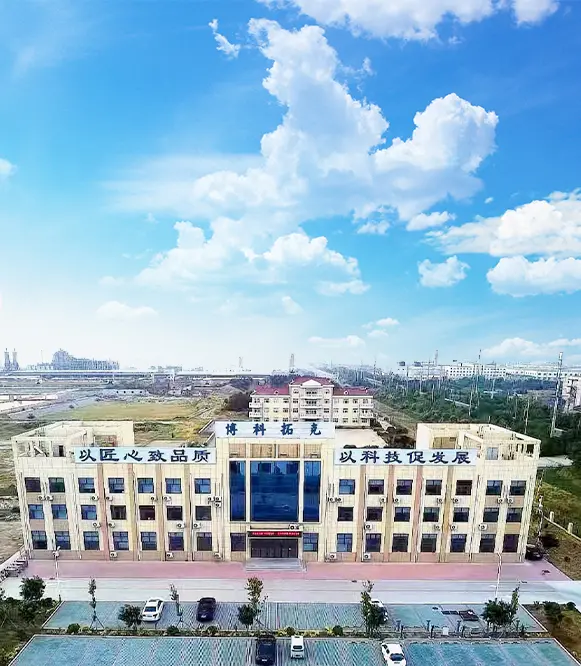
A globally recognized market leader in high-performance organosilicones, hydrocarbon resins, and agricultural intermediates.
Founded in 2012, Shandong Boctok Chemical Co., Ltd. operates as a leading manufacturer and sales powerhouse for Boctok™ domestic and international business units. Driven by global demand and high product standards, we achieved a sales revenue of US$280 million in 2023. The BOCTOK brand is a trusted partner across the Eurasian region, including Russia, the Middle East, India, and Southeast Asia.
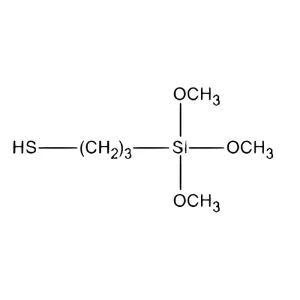
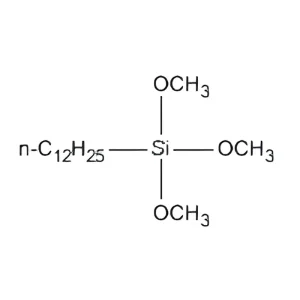
Our operations cover three primary categories. Our core business is organosilicones, encompassing twelve series of silane coupling agents and crosslinkers, including aminosilane, methacrylate silane, epoxy silane, vinyl silane, mercaptosilane, alkyl silane, ethyl silicate, chlorosilane, silane isocyanates, phenyl silane, ureidosilane, and serosilane. Beyond these coupling agents, Boctok is a prominent producer of silicone oils (high-hydrogen, dimethicone, vinyl, polyphenylmethyl, silanol, and alkoxy silicone fluids), MQ resins, and room-temperature vulcanized (RTV) rubbers.
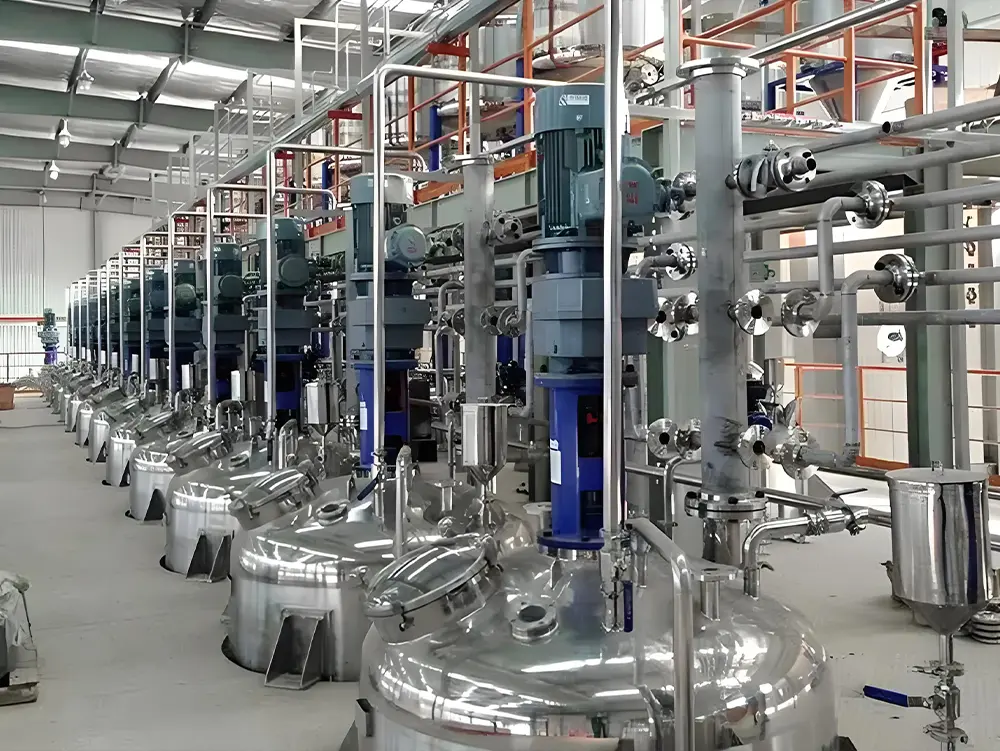
China's leadership in the global silane and silicone supply chain is built on vertical raw material integration, advanced process automation, and dedicated chemical industrial zones. Boctok Chemical recently invested US$65 million to build a modern production facility in the Bohai Industrial Park, a certified chemical industrial zone in Shouguang City, Shandong Province.
This production center features 6 automatic DCS (Distributed Control System) production lines, yielding an annual capacity of 30,000 tons of high-purity silane coupling agents. In addition to DCS automation, the plant is equipped with safety instrumented systems (SIS) and modern environmental control units—including closed-loop waste gas treatment systems and biological wastewater purification systems. These investments ensure compliance with strict emission standards while maintaining consistent chemical product quality.
Continuous, computerized control over critical reaction parameters like temperature, pressure, and raw material feed rates to guarantee high batch-to-batch consistency.
Automated safety systems designed to prevent operational deviations, ensuring plant safety, reliable operation, and long-term production stability.
Direct sourcing partnerships with major petrochemical companies like SINOPEC and PetroChina secure a steady supply of upstream monomers and intermediates.
Engineered to support global distributors and industrial textile processors.

Our products undergo rigorous testing through gas chromatography (GC) and FTIR analysis to ensure every batch meets target specification requirements.

Advanced production lines and optimized reactors enable us to scale production output and customize specifications for bulk orders.

Our technical and service teams are available online to assist with product applications, custom formulations, and logistical processes.

Proximity to major shipping hubs in Qingdao and Tianjin ports ensures fast customs clearance and timely ocean transport globally.
Understanding the molecular mechanisms of coupling, crosslinking, and fabric modification.
For textile chemical formulators, silanes serve a dual purpose: modifying the backbone of organosilicone polymers and acting as crosslinkers that chemically anchor silicone emulsions to fabric substrates.
| Silane Type & CAS Number | Active Chemical Groups | Primary Reaction Mechanism | Resulting Textile Properties |
|---|---|---|---|
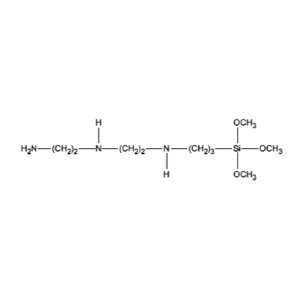
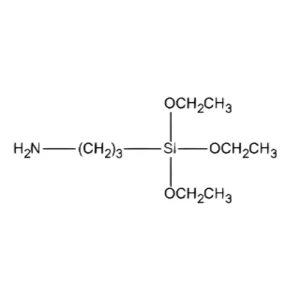
| Aminosilanes (e.g., CAS 919-30-2) | Amino (-NH2) & Alkoxy (Si-OR) | Hydrolyzed silanols react with cellulose hydroxyls; cationic amino groups form ionic bonds. | Excellent soft hand-feel, enhanced elastomeric recovery, and high wash fastness. |
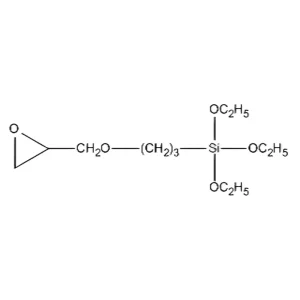
| Epoxy Silanes (e.g., CAS 2530-83-8) | Epoxy (Oxirane) & Alkoxy (Si-OR) | Ring-opening of epoxy groups react with amino/hydroxyl groups on polyamide or cotton. | Smooth surface, non-yellowing finish, improved abrasion resistance, and good hydrophilic balance. |
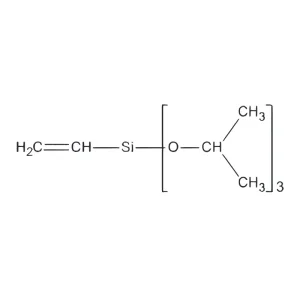
| Vinyl Silanes (e.g., CAS 18023-33-1) | Vinyl (CH2=CH-) & Alkoxy (Si-OR) | Radical-initiated addition polymerization with acrylic or polyester polymers. | Enhanced hydrophobic properties, durable water repellency (DWR), and crosslinked matrix integrity. |
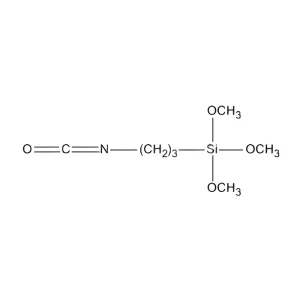
| Isocyanate Silanes (e.g., CAS 15396-00-6) | Isocyanate (-NCO) & Alkoxy (Si-OR) | Direct covalent reaction with active hydrogen groups (hydroxyl, amine) on polyurethane/cotton. | Extremely high adhesion, durable finishes, and wash-resistant polymer binding. |
During application, the alkoxysilane groups (methoxy or ethoxy) undergo hydrolysis in the presence of water and acid catalysts, forming highly reactive silanol (Si-OH) groups. These silanol monomers condense with hydroxyl groups on cotton cellulose or amine/carboxyl groups on synthetic fibers, forming durable covalent siloxane (Si-O-Si / Si-O-Fiber) bonds.
Additionally, the organofunctional tail (e.g., aminopropyl or epoxy cyclohexyl) aligns outward from the fiber surface, creating a protective, low-surface-energy film. This orientation reduces inter-fiber friction, delivering a soft feel while preserving air permeability and moisture management.
How textile mills around the world integrate Boctok's silane coupling solutions.
In major garment finishing hubs, processors use aminosilane-modified emulsions during the final padding stage. This treatment delivers the signature soft feel of premium denim and ensures the finish resists degradation through industrial enzyme washes and stone-washing processes.
Wash Durability: 30+ CyclesFor polyester and polyamide sportswear, formulators combine epoxy-functional silanes with hydrophilic block polyethers. This approach provides a soft hand-feel while maintaining the fabric's moisture-wicking and sweat-evaporating capabilities, avoiding the hydrophobic build-up common with standard silicones.
Moisture Wicking Time: < 3sFor luxury bedding, drapery, and upholstery fabrics made from linen, cotton, or blended yarns, silane crosslinkers improve tear strength and crease resistance, providing a smooth finish that remains stable during household wash cycles.
Wrinkle Recovery Angle: > 130°Explore our primary chemical product portfolios and key industry applications.








Key market trends, technical developments, and sustainability requirements shaping the industry.
With growing environmental focus, chemical synthesizers are working to replace fossil-derived alkoxysilanes with bio-based structures derived from renewable agricultural materials, helping to reduce the overall carbon footprint of textile finishing chemicals.
Standard aminosilanes can undergo thermal oxidation during high-temperature curing, leading to fabric yellowing. Next-generation, sterically hindered amine silanes and epoxy-modified blends help maintain fabric whiteness on pale and pastel fabrics.
Modern textile applications demand multifunctional finishes. Advanced silane coupling agents are being developed to incorporate properties like antimicrobial action, UV protection, flame retardancy, and durable water repellency (DWR) into a single processing step.
When procuring silanes for textile softeners, prioritize manufacturers that offer complete gas chromatography mass spectrometry (GC-MS) data and comply with ZDHC (Zero Discharge of Hazardous Chemicals) guidelines.
From construction materials to advanced biomedical polymers—our products serve multiple global industries.











Technical answers to common formulation, stability, and procurement questions from chemical engineers.
Extended catalog featuring vulcanized rubbers, specialty silanes, and agricultural raw materials.
 Boctok Chemical