Explore our premium product selections configured with absolute quality parameters and export-ready logistics.
An in-depth analysis of interface modification, surface energy reduction, and the role of specialized alkyl silanes in modern advanced materials science.
In the rapidly advancing arena of organosilicon chemistry, Propyltrimethoxysilane (CAS No. 1067-53-4) has emerged as a cornerstone compound for modifying inorganic substrate surfaces and enhancing the mechanical and chemical integrity of polymer-inorganic composites. As a short-chain alkyl alkoxy silane, its molecular architecture provides a unique balance between steric accessibility and stable hydrophobic performance. By utilizing three methoxy leaving groups, the molecule hydrolyzes rapidly in the presence of trace moisture to form reactive silanols, which subsequently condense with hydroxyl groups on surfaces like silica, glass, metal oxides, and mineral fillers. The remaining propyl chain points outward, providing a low-energy, hydrophobic layer that prevents water ingress, improves particulate dispersion, and controls viscosity in compound formulation.
This whitepaper addresses the commercial, technical, and supply chain aspects of procuring Propyltrimethoxysilane and related organosilicons from prominent Chinese manufacturers like Shandong Boctok Chemical Co. In an era marked by shifting regulatory paradigms and high raw material volatility, choosing a supplier with deep backward integration is vital. The transition of Chinese chemical manufacturing under the "Factory 4.0" banner has created highly automated, environmentally sound, and structurally resilient facilities capable of securing consistent capacity for global enterprise requirements.
The global market for organosilicon coupling agents and surface modifiers is experiencing a significant shift toward specialized alkyl and functionalized silanes. While classic silanes like vinyl, amino, and epoxy silanes remain dominant for thermoset and thermoplastic compounding, demand for propyltrimethoxysilane is accelerating in areas requiring strict rheology control and moisture barrier creation. In the semiconductor packaging sector, for instance, propyl silanes are applied as surface pre-treatments for ultra-fine silica fillers to reduce moisture absorption and prevent delamination under extreme thermal cycling.
Furthermore, with the rise of eco-friendly building codes, low-VOC (volatile organic compound) water repellents for architectural coatings and concrete restoration are relying heavily on alkoxy silanes. The rapid hydrolysis rates of methoxysilane groups ensure immediate cure cycles, which are highly favored in industrial paint systems and moisture-cured sealants. High-purity propyltrimethoxysilane is also finding niches in sol-gel coatings for glass and automotive finishes, creating highly transparent, scratch-resistant barriers that repel water and oily stains.
A statistical breakdown of Shandong Boctok Chemical Co.'s market footprint and manufacturing infrastructure.
Robust financial standing reflecting stable commercial volume and deep trust across international markets, especially in Russia and Eastern Europe.
Expanded production capability situated in the Shouguang Bohai Industrial Park, featuring state-of-the-art automatic DCS production lines.
Capital allocated directly to automated production, safety instrument systems (SIS), and advanced ecological treatment systems.
Established in 2012, Shandong Boctok Chemical Co. operates as a centralized marketing, sales, and technical support hub for the Boctok™ domestic and international operations. Reaching an annual sales volume of US$280 million in 2023, the brand has built a prominent reputation for serving complex chemical supply chains, with a major focus on the Russian Federation, Europe, North America, and high-growth Asian markets.
The company’s portfolio is structured into three primary product divisions to address modern industrial requirements:
Procuring specialty chemicals like Propyltrimethoxysilane on a global scale demands strict alignment between purchasing departments and chemical manufacturers. Key procurement challenges include maintaining purity profiles, minimizing moisture contamination, and complying with shifting environmental regulations. For high-performance sealants or electronic-grade applications, the presence of trace ionic contaminants, chlorosilane intermediates, or excessive free alcohols can lead to premature curing, substrate corrosion, or loss of adhesion.
Global B2B buyers require transparent quality management systems, comprehensive analytical documentation (including GC-MS spectra and water content reports), and reliable packaging solutions such as nitrogen-blanketed ISO tanks or heavy-duty steel drums. Selecting a partner that ensures reliable, safe logistics from chemical industrial parks to international ports reduces lead times and minimizes the risks associated with overseas shipping.
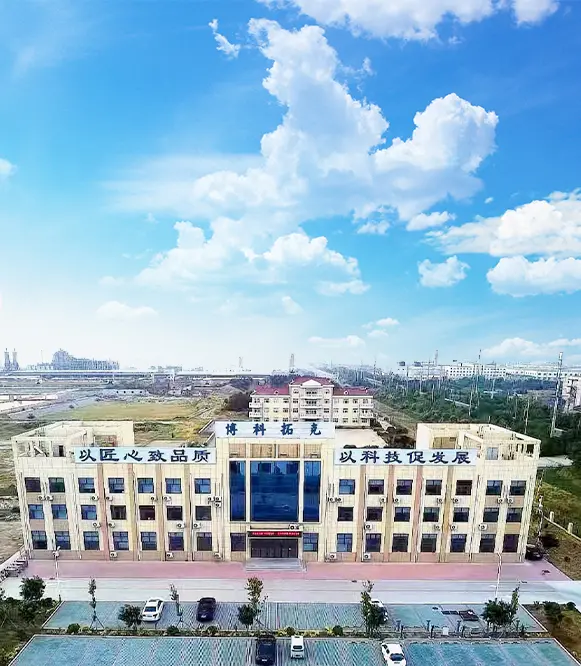
Our Shouguang Bohai Industrial Park facilities feature advanced engineering and green systems for high-quality chemical processing.
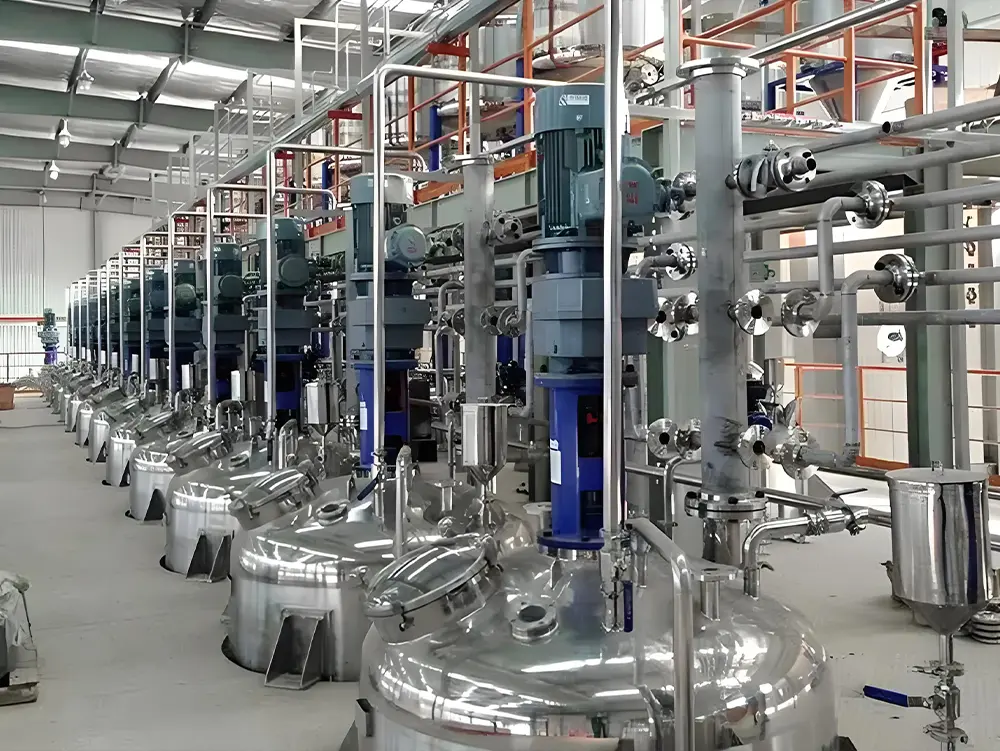
Continuous Distillation Column Control Systems

Hazardous Storage & Nitrogen Padded Tank Farm

Environmental Protection & Emission Scrubber Plant
Real-Time DCS Integrated Control Center
The shift from traditional batch chemistry to automated, continuous chemical processing forms the core of China's Factory 4.0 paradigm. Shandong Boctok Chemical Co.’s recent US$65 million capital investment in the Shouguang Bohai Industrial Park represents this modernization. Spanning a provincial-level chemical zone, the facility houses six automated DCS (Distributed Control System) production lines with an annual output of 30,000 tons of silane coupling agents.
By implementing DCS remote control alongside dedicated SIS (Safety Instrumented System) protocols, the facility minimizes human exposure to high-pressure thermal processes, ensuring stable operating conditions. This operational consistency reduces batch-to-batch variation, a crucial factor for overseas manufacturers using silanes in high-precision processes.
Additionally, the factory operates closed-loop environmental control systems, featuring integrated waste gas scrubbers and dedicated chemical wastewater plants. Meeting strict local and federal environmental standards ensures the factory avoids regulatory shutdowns, guaranteeing a stable, uninterrupted supply chain for international buyers.
Shandong Boctok Chemical Co. has structured its production around three core pillars to ensure reliable global delivery:

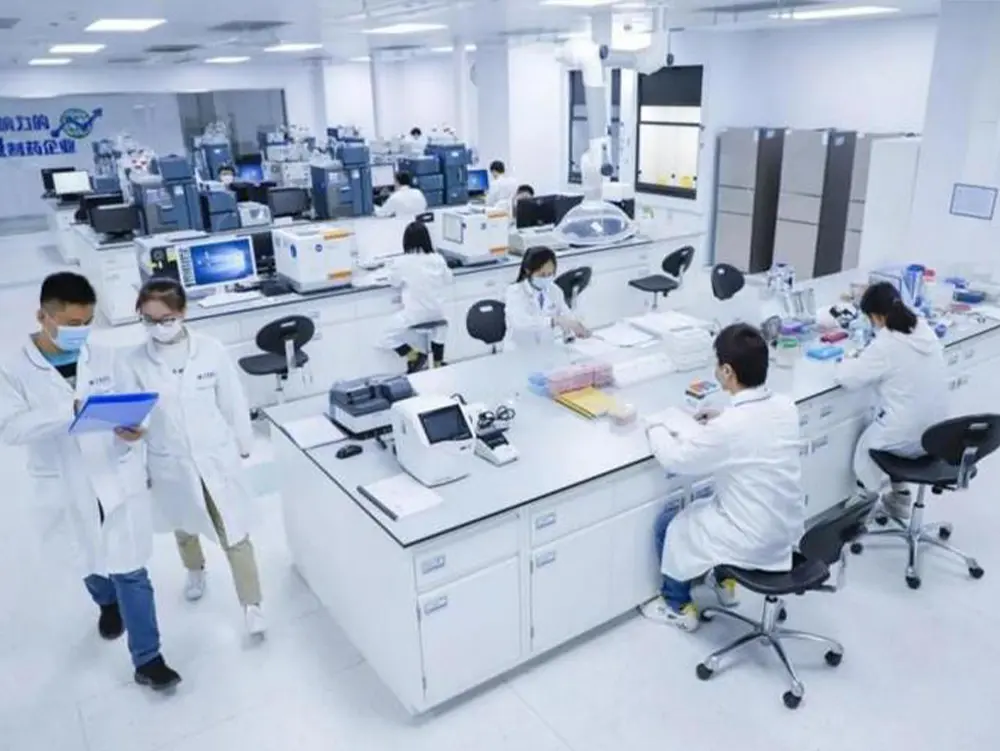
Strict laboratory analysis using GC, HPLC, and Karl Fischer titration ensures high chemical purity and dry moisture parameters.

Advanced production lines allow us to efficiently expand production capacity and meet the demand for mass customization.

Our professional team is available online 24 hours a day to provide attentive service and answer all your questions.

An optimized logistics system ensures fast order processing and timely delivery to customers.
A visual representation of Boctok's key commercial products across multiple chemical sectors.

Advanced organosilicon compounds, silanes, and crosslinkers serving the global composites, coatings, and electronics industries.
Learn More
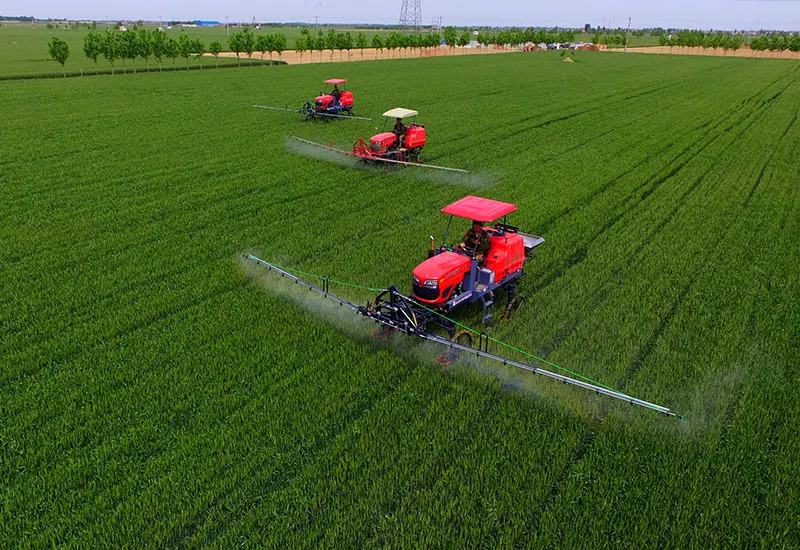
Crucial active intermediates, fungicides, herbicides, and plant regulators for enhanced yield and agricultural security.
Learn MoreDemonstrating how our raw silanes, petroleum resins, and intermediates are applied across diverse global industries.
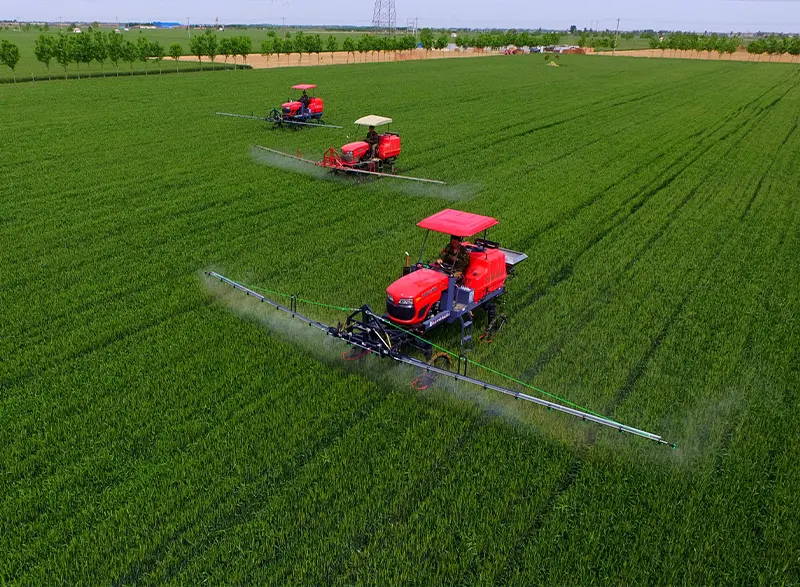




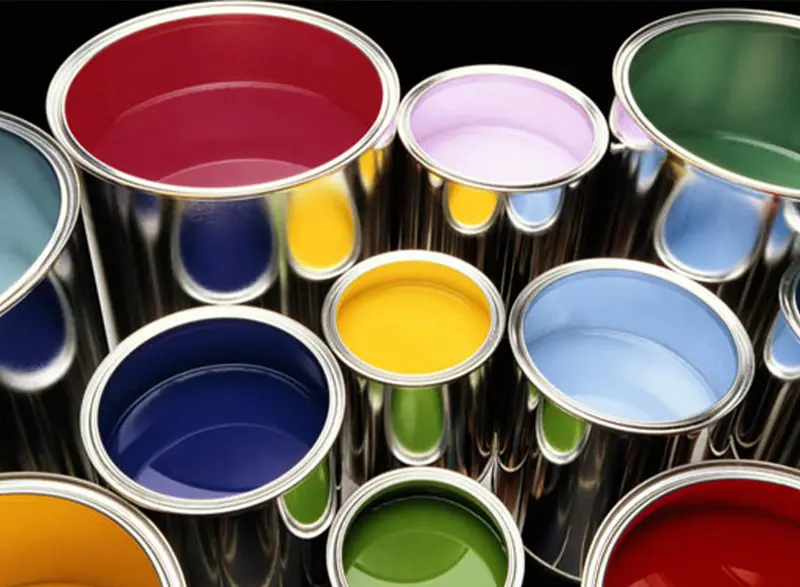
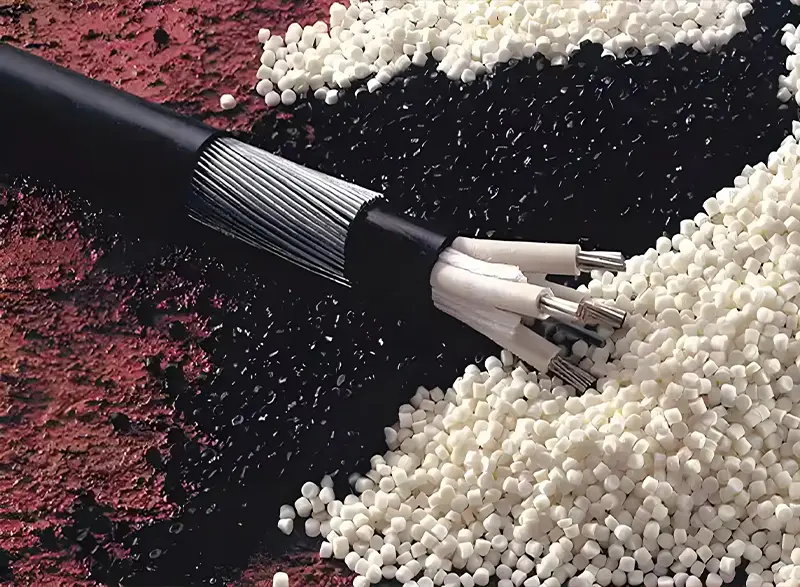

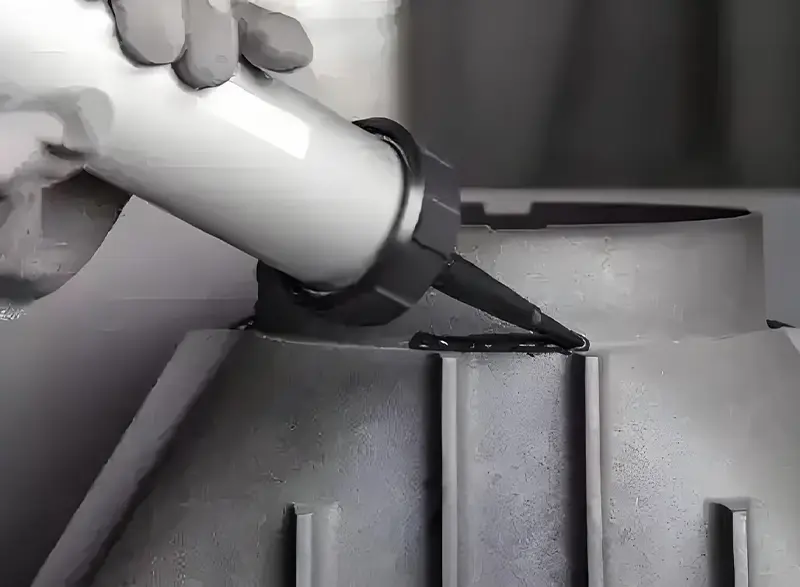

Detailed performance validation profiles of Boctok materials in strategic industrial application fields.


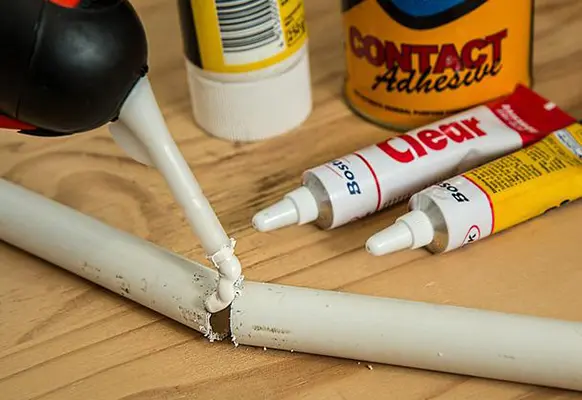
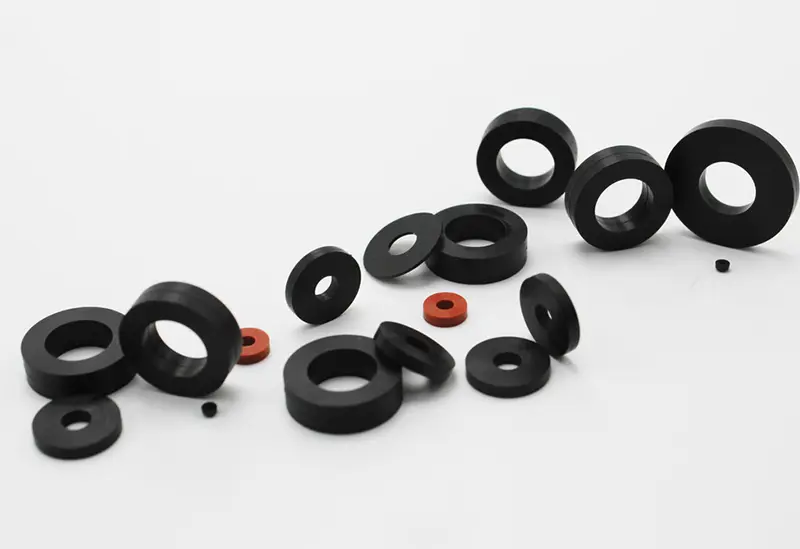
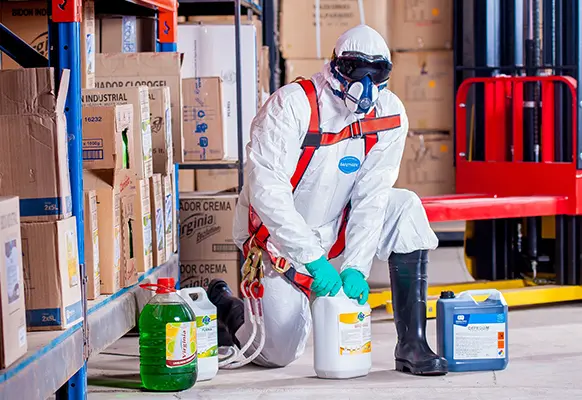
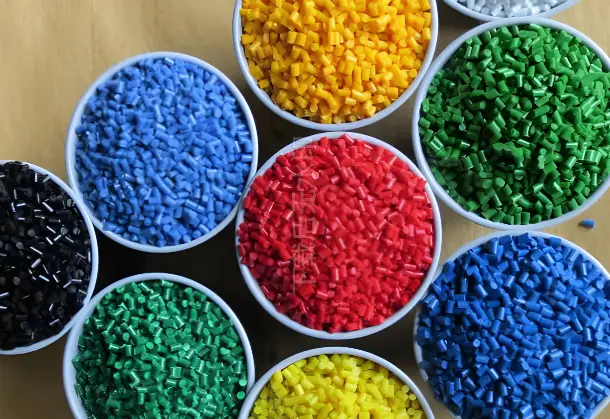
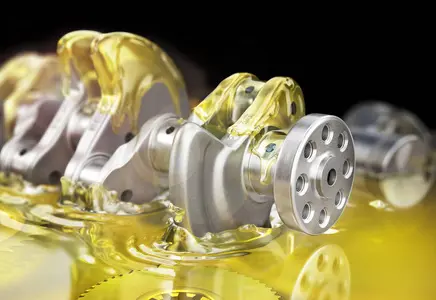
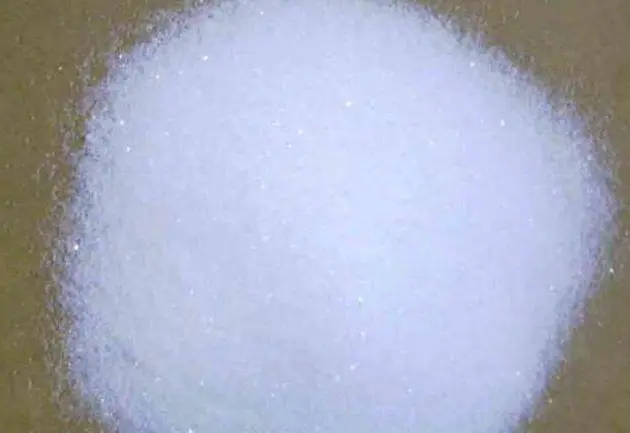

Precision silicone technologies custom tailored for structural, electronics, and consumer formulations.
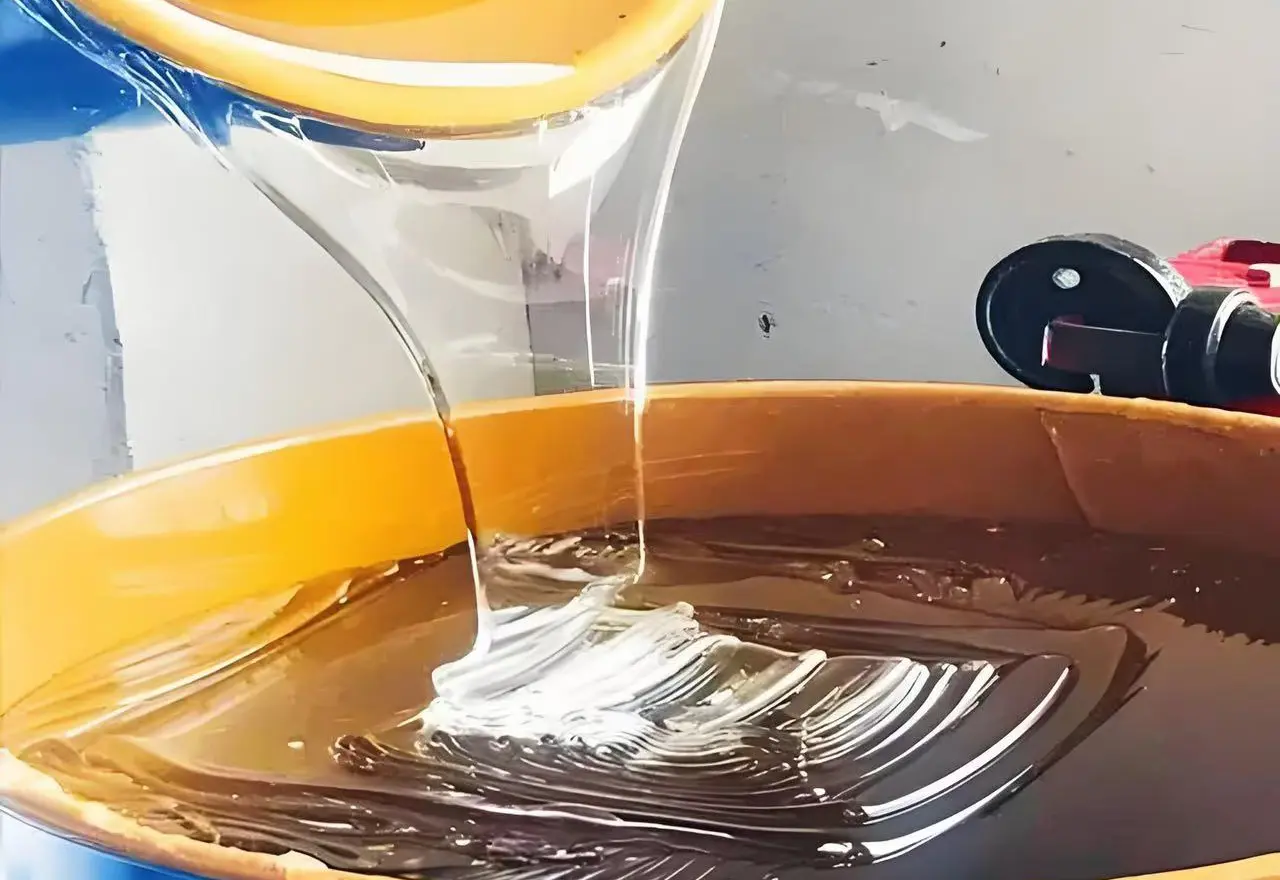

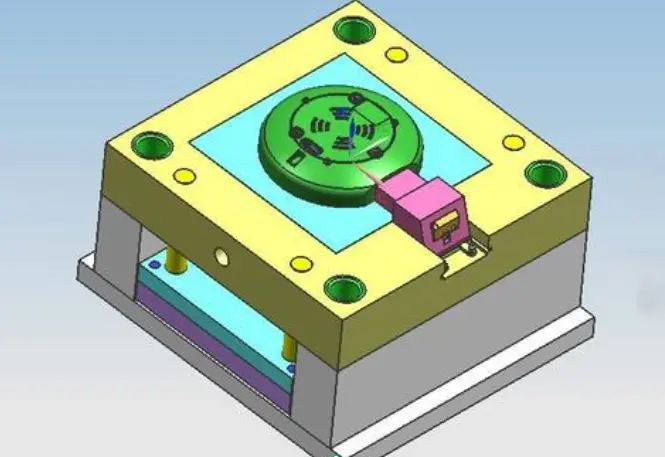


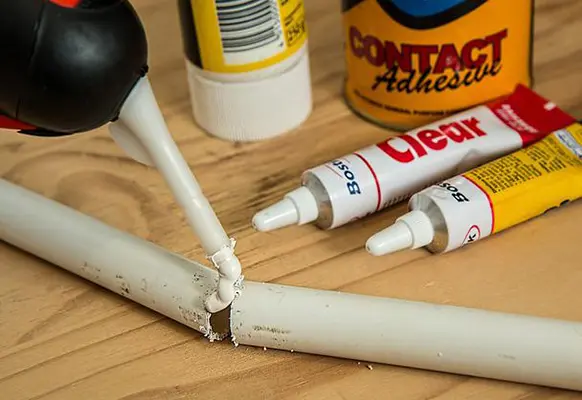
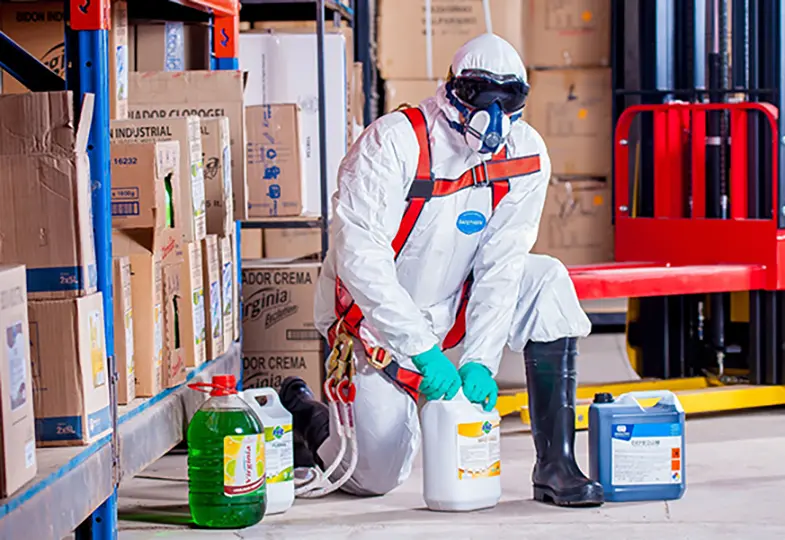

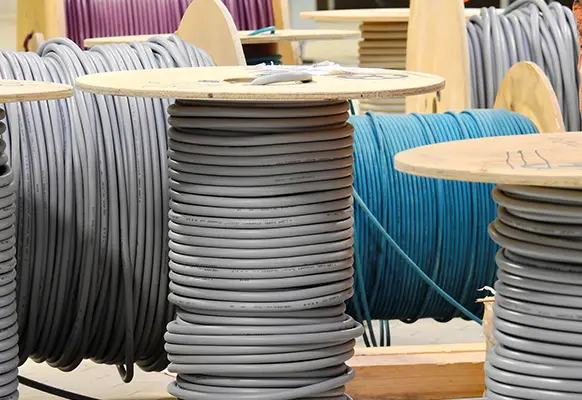
Dedicated processing agents for extreme environmental demands and complex structural systems.




To understand the function of Propyltrimethoxysilane in industrial applications, one must examine its hydrolysis mechanism. Upon exposure to water (catalyzed by trace acids or bases), the methoxy groups bonded to the silicon atom hydrolyze, releasing methanol as a byproduct and forming highly reactive silanetriol intermediates:
These silanetriol molecules form hydrogen bonds with the hydroxyl groups on inorganic surfaces (such as the surface of silica particles or glass fibers). During a subsequent drying or baking stage, a condensation reaction occurs, resulting in a covalent siloxane bond (Si-O-Si or Si-O-Metal) that chemically anchors the propyl group to the surface.
The propyl chain ($CH_3-CH_2-CH_2-$) acts as a physical barrier. Because of its organic nature, it repels water and aligns well with non-polar polymer matrices. This makes it an ideal compound for treating silica fillers in silicone rubbers, where it prevents structural aggregation and controls viscosity before vulcanization.
Choosing the right alkyl silane depends on the required hydrophobic properties and steric requirements. Below is a comparative overview of common alkyl alkoxy silanes used in industrial formulations:
| Silane Name | CAS Number | Alkyl Group Length | Hydrophobic Value | Common Downstream Application |
|---|---|---|---|---|
| Methyltrimethoxysilane | 1185-55-3 | C1 (Methyl) | Moderate | Crosslinker in RTV sealants, mineral treatment |
| Propyltrimethoxysilane | 1067-53-4 | C3 (Propyl) | High | Silica treatment, sol-gel glass coatings |
| Octyltriethoxysilane | 2943-75-1 | C8 (Octyl) | Very High | Concrete protectants, heavy water repellents |
Essential guidance on chemical storage, performance specifications, and custom bulk procurement parameters.
A1: The three-carbon propyl chain provides a balance of steric configuration and organic compatibility. Compared to methyltrimethoxysilane, it provides higher surface hydrophobicity, effectively repelling liquid moisture. Compared to octyl silanes, it has a lower molecular weight, allowing for rapid hydrolysis and higher coverage per unit weight, which helps lower overall raw material costs.
A2: Because of its high reactivity with moisture, it must be stored in dry, tightly sealed containers under a nitrogen blanket. The storage temperature should be kept below 30°C. In these conditions, our product retains its nominal activity for at least 12 months from the date of manufacture.
A3: Every batch undergoes rigorous testing using Gas Chromatography (GC) to verify chemical purity, alongside Karl Fischer titration to monitor trace water content. In accordance with ISO 9001 and ISO 14001, we provide a Certificate of Analysis (COA) with each shipment, confirming that trace chlorosilane and heavy metal levels meet international specifications.
A4: While it can participate in moisture-curing processes, vinyl silanes (such as Vinyltrimethoxysilane) are typically preferred for XLPE applications because the vinyl group bonds directly to the polyethylene chain. Propyltrimethoxysilane is primarily used to treat silica fillers in these formulations, reducing compound viscosity and helping the filler disperse evenly throughout the polymer matrix.
A5: We offer flexible packaging options, including 200 kg steel drums, 1,000 kg IBC totes, and ISO tanks. Shipments are dispatched from major Chinese ports, such as Qingdao or Shanghai. Our logistics team handles all customs clearance and export documentation to ensure safe and efficient transit.
Explore our premium product selections configured with absolute quality parameters and export-ready logistics.
 Boctok Chemical
![China Bis-[3-(triethoxysilyl)-propyl]amine CAS 13497-18-2 Manufacturer, Companies](https://site.cdnfile.io/www.boctoksilicone.com/837bedcc9470a3ee1f202feb49d8ce69300_300.webp)