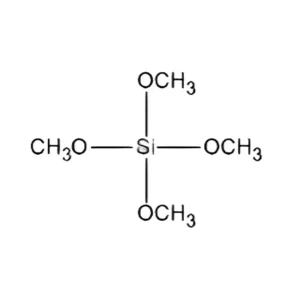
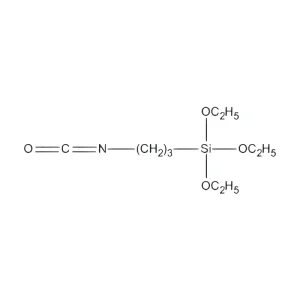
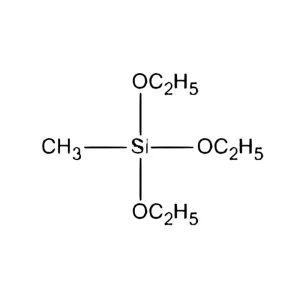
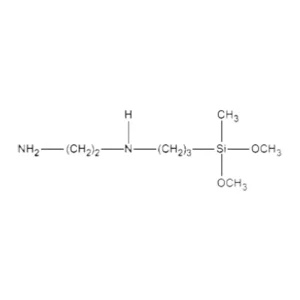
Explore our primary technical offerings, spanning custom crosslinkers, specialty siloxane polymers, and industrial silicones engineered to enhance mechanical performance.
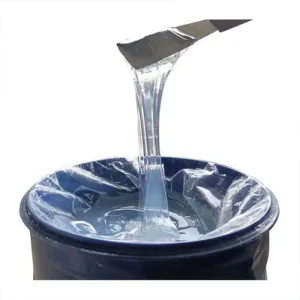
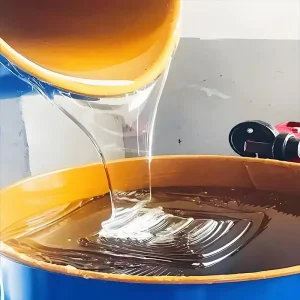
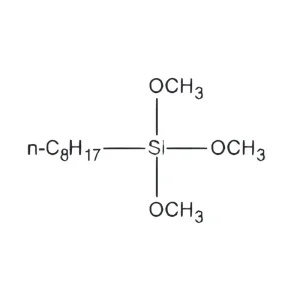
Liquid Silicone Rubber (LSR) has emerged as a cornerstone polymer in high-precision molding applications globally. Defined by its dual-component formulation (typically referred to as Part A and Part B), LSR is favored for its rapid curing cycles, exceptional thermal stability, chemical inertness, and superior mechanical characteristics. Unlike traditional High Consistency Rubber (HCR), LSR processing leverages automated liquid injection molding (LIM), which minimizes human intervention, reduces scrap, and enhances dimensional tolerance control.
In the global market, China has positioned itself as the preeminent hub for Mold Liquid Silicone Rubber manufacturing. Boasting vast upstream organosilicon synthesis clusters and mature downstream logistics networks, Chinese factories offer an unparalleled spectrum of custom-formulated siloxane bases. Understanding the underlying chemistry—such as the role of platinum catalyst systems in addition-cure elastomers versus organic tin salts in condensation-cure systems—is critical for procurement teams looking to optimize their manufacturing pipelines.
The performance of Mold Liquid Silicone Rubber is inherently tied to the quality of its building blocks. Organosilicon chemistry integrates silane coupling agents, silanol-terminated fluids, and VMQ/MQ structural resins to formulate elastomer bases designed for high-stress applications.
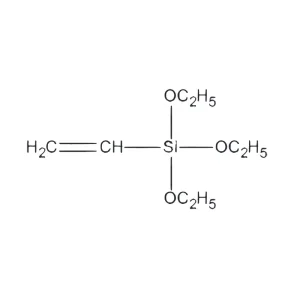
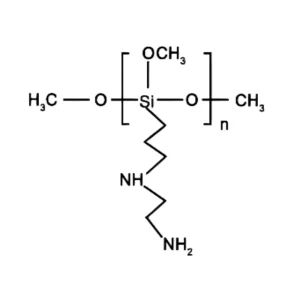
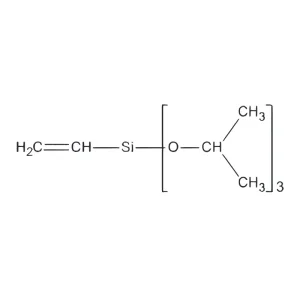
Silane Coupling Agents & Crosslinkers: These compounds serve as molecular bridges between inorganic substrates (such as silica fillers or metal inserts) and the organic silicone polymer matrix. Typical classes include aminosilane (e.g., CAS 3069-29-8), vinylsilanes (e.g., CAS 78-08-0), and epoxy or methacrylate functionalized silanes. By modulating the density of crosslinking sites, manufacturers can fine-tune the tensile strength, elongation at break, and Shore A hardness of the final cured silicone elastomer.
Silicone Oils & Structural Resins: High-hydrogen silicone oils, dimethicone, vinyl silicone oils, and silanol silicone oils form the liquid vehicle of the LSR system. These are reinforced with methyl MQ resins or vinyl VMQ resins to provide structural rigidity and tear resistance. Without resin reinforcement, cured silicone possesses minimal tensile strength, making MQ/VMQ content optimization a defining parameter for high-tear mold-making formulations.

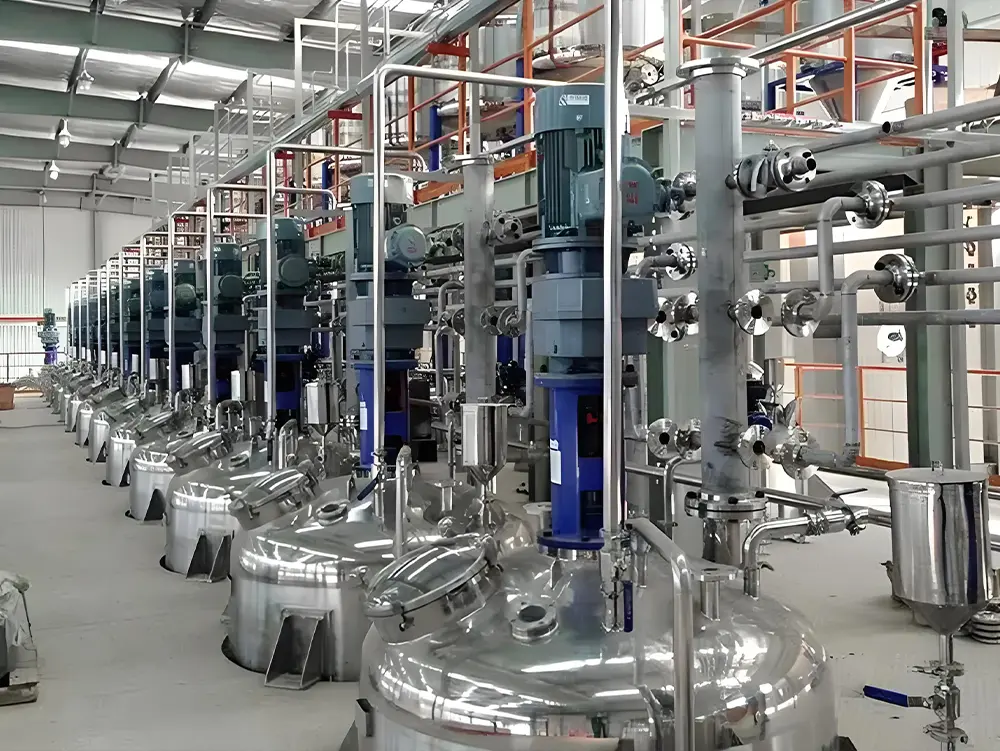
Modern Chinese manufacturing units, such as Shandong Boctok Chemical's Shouguang facility, leverage automated DCS and safety SIS platforms. This level of process control minimizes human variance, guaranteeing high batch uniformity for industrial-scale buyers.

By integrating upstream monomer synthesis (chlorosilanes) with downstream specialty blending (RTV, PVMQ, functional silanes), Chinese manufacturers insulate global buyers from sudden raw material price shocks and supply delays.

Whether your operations require ultra-low viscosity for complex mold filling, high-temperature resistance for aerospace gaskets, or self-lubricating LSR matrices for automotive connectors, Chinese plants offer rapid customization.
Liquid silicone rubbers are not stand-alone commodities; they are critical system components across multiple industrial verticals. Below is an overview of how these materials integrate into global supply chains:
| Industrial Sector | Material Requirements | Specific Silicone / Silane Application | Key Performance Metrics |
|---|---|---|---|
| Automotive & Aerospace | Extreme temperature stability (-60°C to 250°C), fuel resistance. | 120 Methyl phenyl rubber (PVMQ), Fluorosilicone bases. | Low compression set, excellent sealing under cyclic loads. |
| Electronics & Semiconductor | High dielectric strength, low outgassing, thermal dissipation. | RTV potting silicone, high-hydrogen silicone fluids. | Thermal conductivity, moisture protection, vibration damping. |
| Renewable Energy (Wind/Solar) | UV degradation resistance, environmental sealing. | Silane coupling agents, cable insulation rubbers. | Adhesion to glass/metals, high voltage tracking resistance. |
| High-Precision Mold Making | High tear resistance, low linear shrinkage, dimensional stability. | Platinum-cured two-part LSR, MQ resin reinforcement. | Shrinkage <0.1%, high reproduction fidelity of fine details. |
| Consumer Goods & Cosmetics | Biocompatibility, low toxicity, soft skin-feel. | Phenylmethylsilicone fluids, skin-safe cosmetic grade LSR. | Inertness, compliance with FDA and REACH standards. |
For example, in the wind turbine sector, silane coupling agents are vital for linking fiberglass and epoxy matrices in turbine blade fabrication. In power grid management, silicone-based insulators provide critical protection against electrical tracking, preventing catastrophic failure under high-voltage conditions.
The global demand for Mold Liquid Silicone Rubber is undergoing a transition driven by carbon neutrality mandates, automotive electrification, and high-frequency communication hardware. Key sourcing trends include:
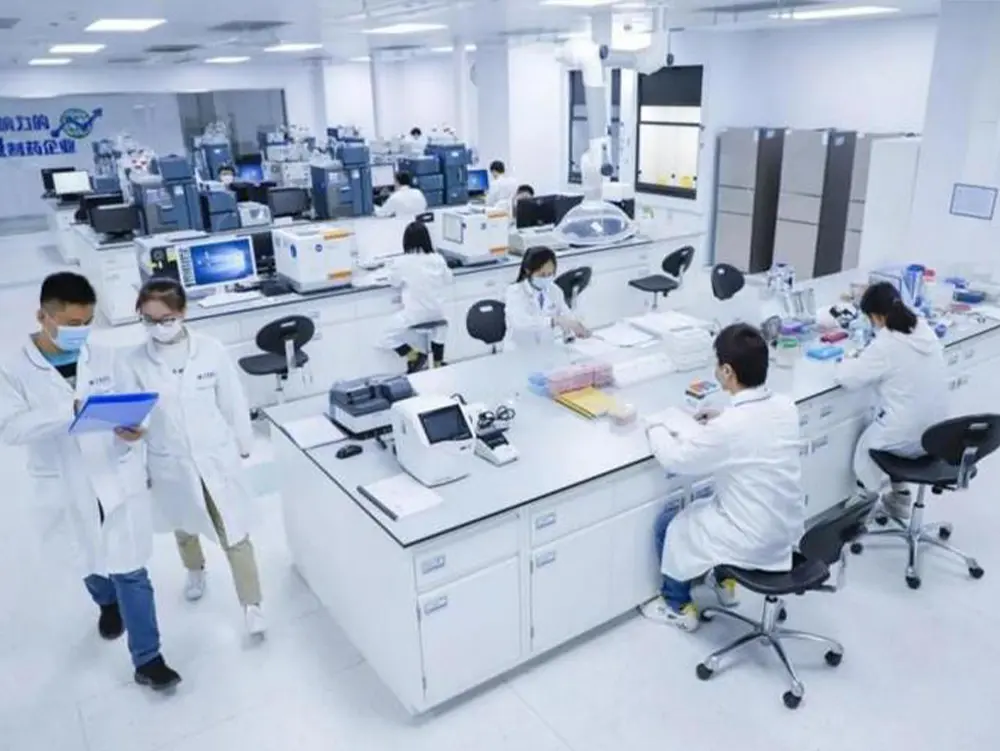
Founded in 2012, Shandong Boctok Chemical Co. has established itself as an integrated marketing, sales, and manufacturing powerhouse. In 2023, the organization achieved a global sales volume of US$280 million. Represented in international markets under the BOCTOK brand, the company has carved out a dominant position in the Russian, European, and Asian silicone supply networks.
Our organosilicon catalog spans twelve primary series of silane coupling agents and crosslinkers, including: aminosilane, methacrylate silane, epoxy silane, vinyl silane, mercaptosilane, alkyl silane, ethyl silicate, chlorosilane, silane isocyanates, phenyl silane, ureidosilane, and serosilane. Additionally, our high-performance silicone polymer division supplies dimethicone, vinyl silicone oil, polyphenylmethyldimethylsiloxane, room-temperature vulcanized (RTV) methyl silicone rubber, 110 methyl vinyl silicone rubber, and 120 methyl phenyl rubber.
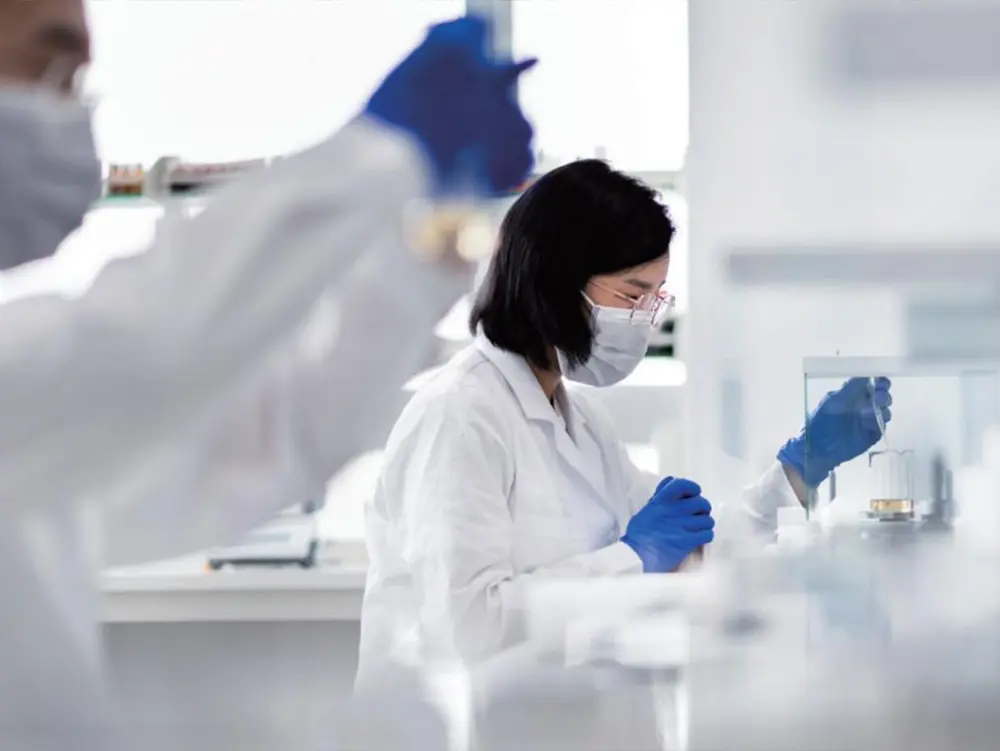
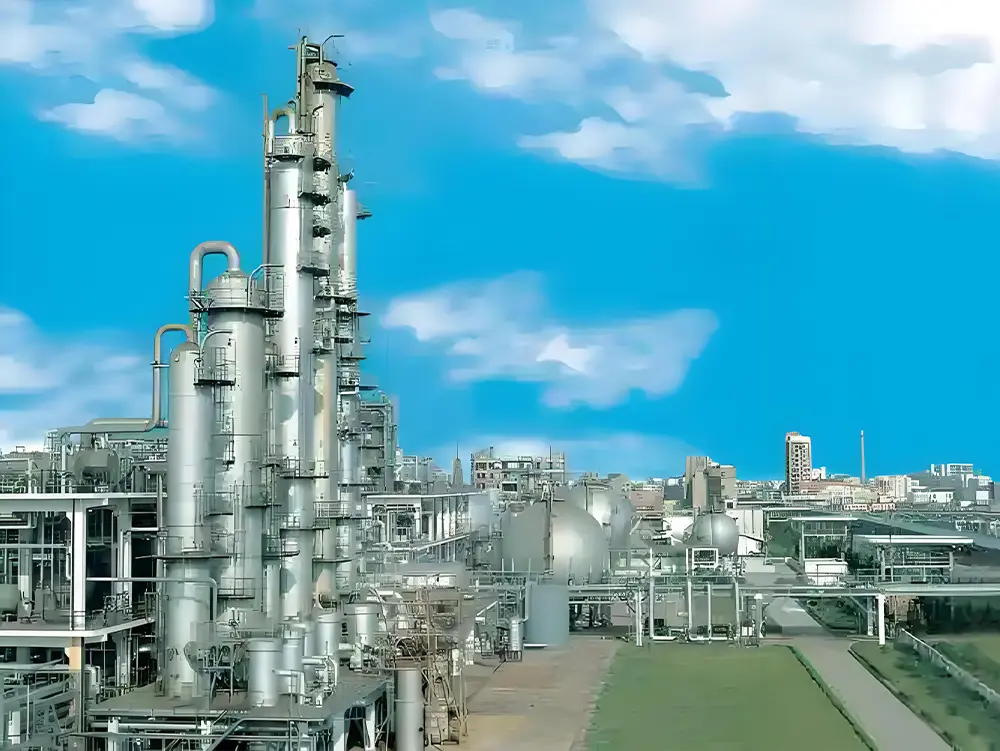
To support this expansive portfolio, Boctok recently invested US$65 million to construct a modern chemical complex in Bohai Industrial Park, Shouguang City, Shandong Province. Equipped with 6 automatic DCS lines, this facility expands our annual silane coupling agent capacity by 30,000 tons, operating under strict ISO9001, safety instrument system (SIS), and advanced emission control standards.
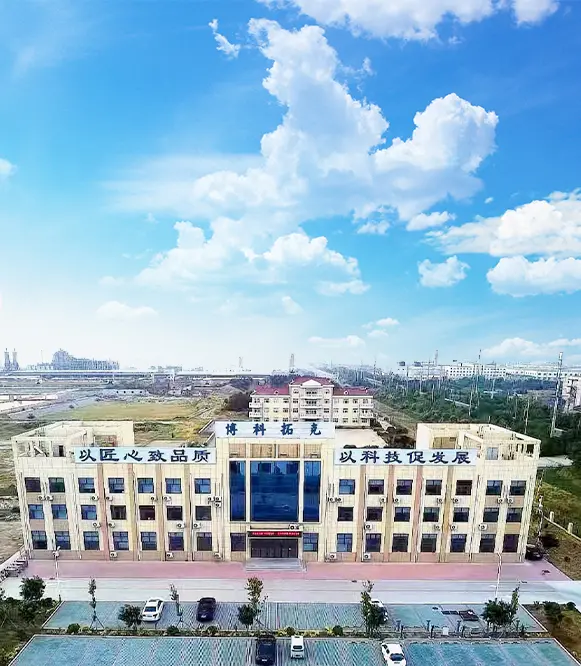
Beyond our organosilicon division, Boctok's secondary core businesses provide deep technical synergy for industrial clients:
Hydrocarbon/Petroleum Resins: Operating three advanced hydrocarbon resin manufacturing facilities in Zibo, Fushun, and Nanjing, Boctok utilizes stable feedstocks from SINOPEC and PetroChina. We supply C9 hydrogenated resins, C5 hydrocarbon resins, and C5 modified C9 resins. These products are widely utilized by Fortune 500 corporations in industrial adhesives, hot-melt systems, road markings, and synthetic rubber compounding to optimize glass transition temperatures (Tg) and tackiness profiles.
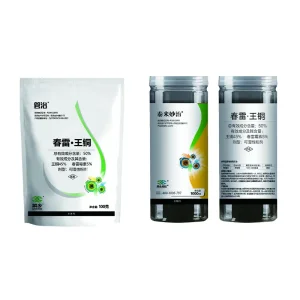
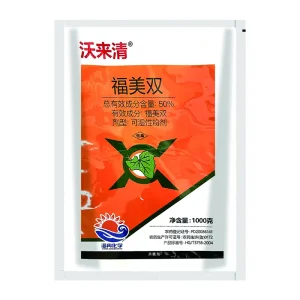
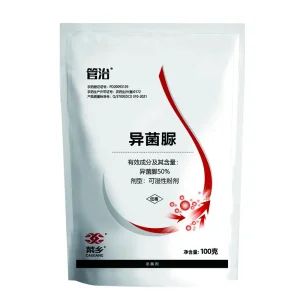
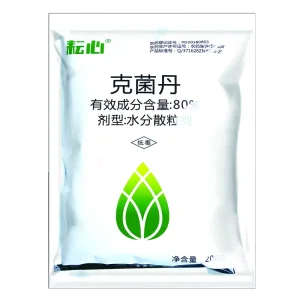
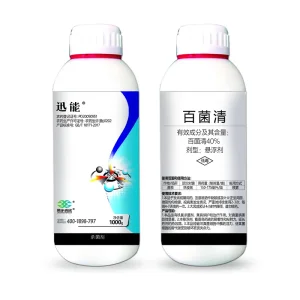
Agrochemical Formulations: We synthesize highly specialized intermediates for pesticides, seed treatments, plant growth regulators, and insecticides, ensuring structural stability and targeted bio-activity. This segment relies on our high-hydrogen and alkoxysilane technologies to formulate stable emulsions and agricultural adjuvants.
When evaluating China Mold Liquid Silicone Rubber manufacturers, procurement teams must verify the following items to prevent batch failures:
Cure inhibition occurs when the platinum catalyst in Part A is deactivated by chemical contact. Common inhibitors include sulfur compounds (found in natural rubber, latex, and vulcanized parts), nitrogen compounds (amines, amino resins), organophosphorus compounds, and certain organometallic compounds. To prevent this, ensure all processing equipment is thoroughly cleaned, and avoid contact with condensation-cure silicones or sulfur-containing clays.
Silane coupling agents contain two distinct functional groups: one that reacts chemically with the silicone polymer backbone, and another that coordinates with the inorganic fillers (such as silica). This chemical bridging action increases the efficiency of filler dispersion within the silicone matrix, resulting in significantly higher tensile strength, improved tear strength, and better fatigue resistance under cyclic mechanical stress.
110 Methyl vinyl silicone rubber contains vinyl groups along the siloxane chain, providing efficient crosslinking points for peroxides or platinum catalysts to form elastomeric structures. 120 Methyl phenyl rubber (PVMQ) incorporates phenyl groups, which break up the polymer crystallization pattern at low temperatures. This configuration extends the silicone's operational limit down to -100°C while simultaneously improving radiation resistance and high-temperature stability.
C5 hydrocarbon resins are derived from aliphatic crackers and exhibit excellent compatibility with natural rubber, SIS, and EVA polymers, making them ideal for pressure-sensitive and hot-melt adhesives. C9 resins, synthesized from aromatic feedstocks, feature higher glass transition temperatures (Tg) and are compatible with polar polymers like polyurethanes, acrylics, and chloroprene, finding utility in industrial coatings, paints, and concrete curing compounds.
A Distributed Control System (DCS) continuously monitors temperature, pressure, reaction speed, and reactant feeding rates in real-time. By automatically adjusting thermal loops and pressure relief valves, it keeps polymerization reactions within narrow limits. This precision ensures that parameters like molecular weight distribution, viscosity, and refractive index remain constant from batch to batch, minimizing production line variations for the end-user.
Yes. LSR molds possess high thermal resistance, allowing them to withstand peak exotherm temperatures of polyurethane, epoxy, and polyester casting resins (often exceeding 150°C). For continuous production, platinum-cured LSR is recommended due to its high dimensional stability and resistance to aggressive chemical attack from the styrene or amine monomers present in structural resins.
MQ resins are solid, three-dimensional siloxane networks composed of Monofunctional (M) and Tetrafunctional (Q) units. They act as molecular reinforcing agents when dispersed in liquid silicone oils. MQ resins boost the tear strength and tensile strength of the silicone matrix, allowing for the creation of complex, deep-undercut molds that can endure repeated demolding cycles without tearing.
Strict environmental regulations in China mean that chemical plants lacking proper emission treatment systems face sudden shutdown orders during regional environmental inspections. Working with a supplier like Shandong Boctok Chemical, which features integrated waste gas thermal oxidation and chemical wastewater treatment systems, minimizes the risk of supply chain disruptions and ensures long-term sourcing stability.
Our secondary lines support advanced industrial needs with specialized coupling agents, tackifiers, and crop protection materials.
 Boctok Chemical