Explore our core manufacturing portfolio of high-grade vinyl silicone oils, silane coupling agents, and specialized compound formulations designed for global industrial deployment.
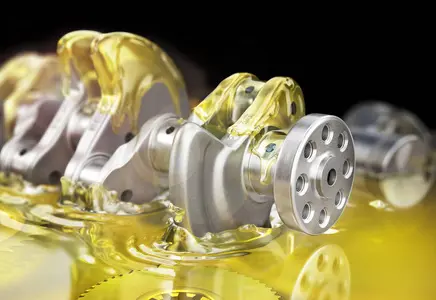
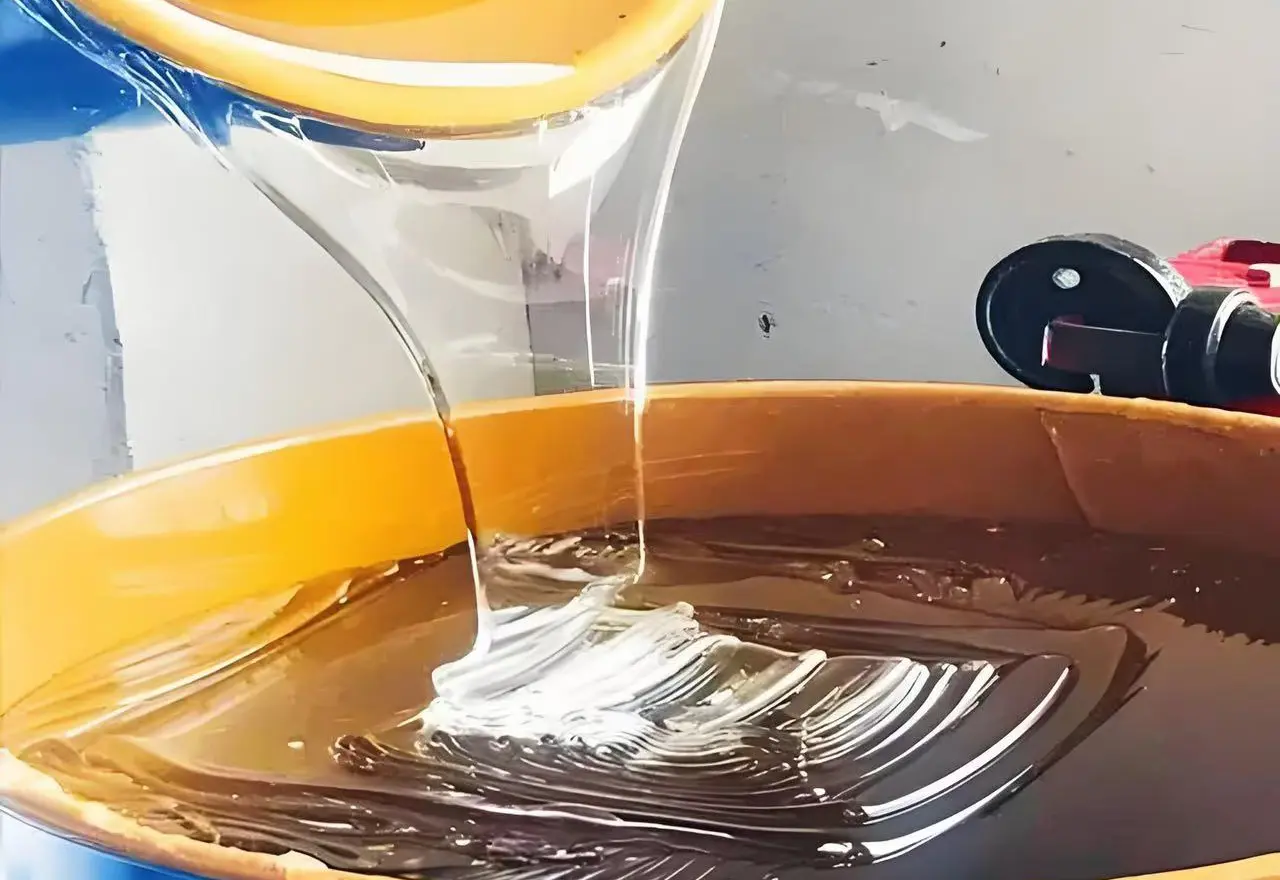
In high-demand industrial engineering, mechanical lubrication silicone oil acts as a fundamental component of system reliability. Characterized by a linear polydimethylsiloxane (PDMS) backbone, these synthetic lubricants provide excellent shear resistance, low temperature fluidity, and exceptional thermal stability that traditional petroleum-based lubricants cannot match. By modifying side chains with phenyl, vinyl, or alkyl groups, manufacturers can adapt the oil's properties to meet specific tribological needs, including high load capacities, radiation resistance, and surface adhesion.
From a molecular perspective, the silicon-oxygen bond energy (460 kJ/mol) is significantly higher than the carbon-carbon bond energy (348 kJ/mol) found in organic mineral oils. This strong atomic foundation allows silicone oils to operate continuously at temperatures above 200°C without oxidization, thermal cracking, or residue formation. In contrast, at temperatures down to -50°C, these fluids maintain a stable viscosity index, preventing component lock-up and ensuring instant startup of mechanical systems in aerospace, arctic exploration, and high-altitude energy infrastructure.
Furthermore, the low surface tension of dimethyl silicone fluids ensures excellent surface wetting and thin-film spreading, creating an even boundary lubrication layer over metallic, polymeric, and elastomeric substrates. As international engineering demands tighter tolerances and longer maintenance cycles, selecting the proper silicone oil grade from an established, integrated factory becomes essential for long-term project performance.
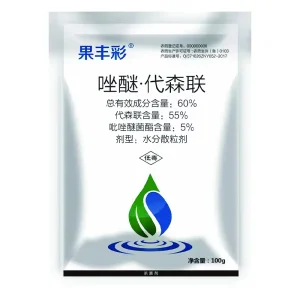
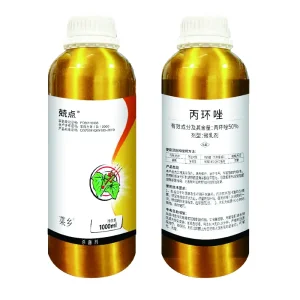
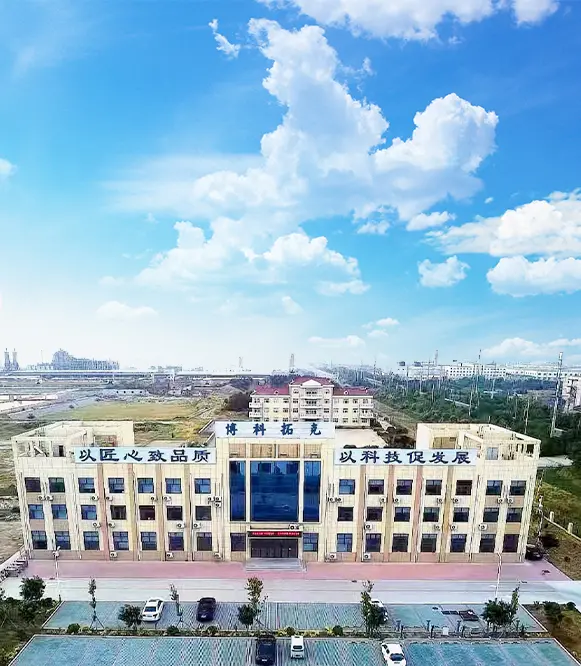
Founded in 2012, Shandong Boctok Chemical Co. has established itself as an integrated manufacturer and exporter of advanced organosilicone materials, petroleum resins, and agrochemical intermediates. Serving as the primary marketing and sales hub for the domestic and international Boctok™ business portfolio, we achieved an annual sales volume of US$280 million in 2023. Over the last ten years, our dedicated BOCTOK brand has expanded its global presence, building strong partnerships across European, North American, and Central Asian markets, with specialized services tailored for the Russian industrial sector.
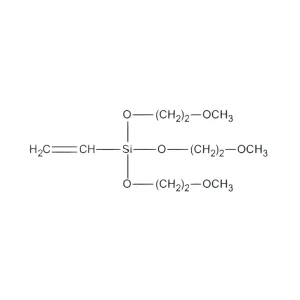
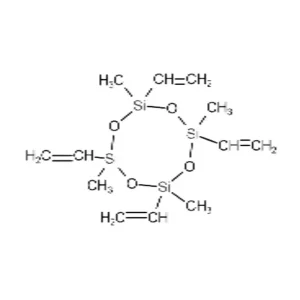
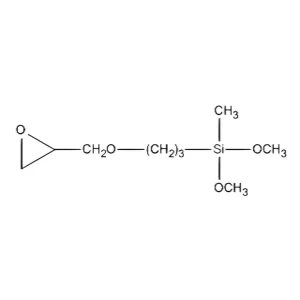
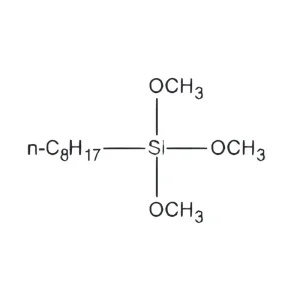
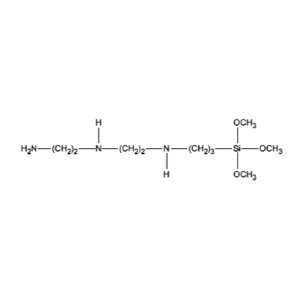
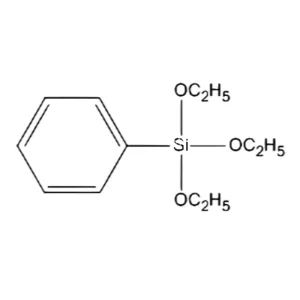
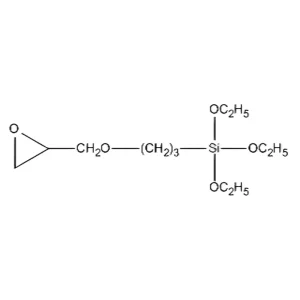
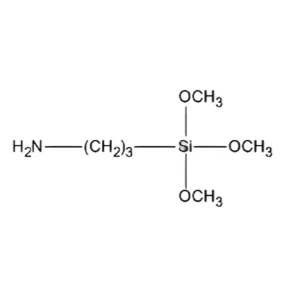
Boctok operates three main business divisions. Our primary organosilicone sector produces twelve series of silane coupling agents and crosslinkers, including aminosilane, methacrylate silane, epoxy silane, vinyl silane, mercaptosilane, alkyl silane, ethyl silicate, chlorosilane, silane isocyanates, phenyl silane, ureidosilane, and serosilane. Additionally, our factories supply high-hydrogen silicone oil, dimethicone, vinyl silicone oil, polyphenylmethyldimethylsiloxane, phenyl silicone oil, silanol silicone oil, OH polymers, alkoxy silicone oil, methyl MQ resin, vinyl VMQ resin, room-temperature vulcanized (RTV) methyl silicone rubber, and 110/120 methyl vinyl/phenyl rubbers.



Why global enterprises rely on Chinese supply chains for bulk organosilicone sourcing, technical stability, and economic efficiency.
By leveraging close relationships and direct pipeline access to key domestic petrochemical giants like SINOPEC and PetroChina, Boctok secures continuous streams of raw siloxanes, silicon metal, and hydrocarbon monomers. This structural integration shields partners from price volatility and product shortages, maintaining stable output even during market fluctuations.
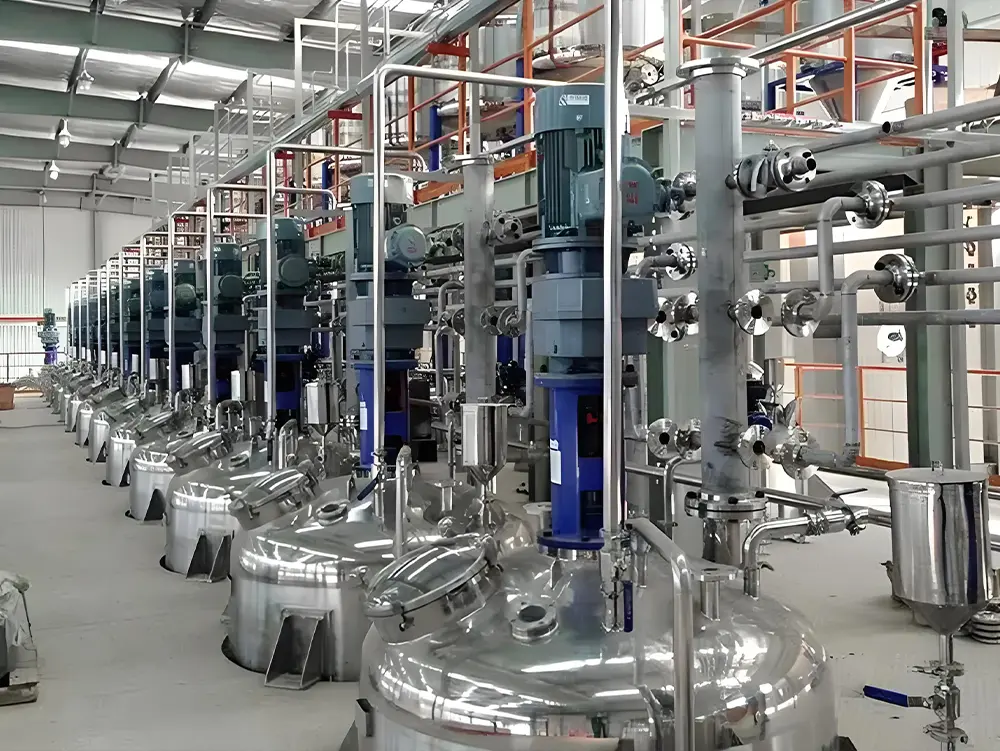
Boctok recently invested US$65 million in a state-of-the-art chemical manufacturing complex in Bohai Industrial Park, Shouguang City, Shandong Province. The site features 6 automatic DCS production lines with an annual output of 30,000 tons, monitored by Safety Instrument Systems (SIS). This ensures exact quality control, high batch-to-batch consistency, and stable product viscosity.
Operating under ISO9001 quality management guidelines, our manufacturing processes include online spectroscopic monitoring and final purity validation. To support long-term sustainability, we have built modern environmental systems, including waste gas collection modules and comprehensive wastewater purification plants, meeting stringent green standards.
Technical comparison of common silicone lubrication fluids produced at our Shandong manufacturing center.
| Fluid Classification | Viscosity Range (cSt) | Operating Temp Range (°C) | Key Performance Features | Primary Industrial Applications |
|---|---|---|---|---|
| Dimethyl Silicone Fluid (PDMS) | 0.65 to 1,000,000 | -50 to 200 | High shear stability, low surface tension, excellent dielectric strength. | Damping systems, mechanical gauges, gear lubrication, release agents. |
| Methyl-Phenyl Silicone Fluid | 50 to 10,000 | -70 to 250 | Excellent thermal stability, low pour point, high oxidation resistance. | High-temperature ovens, aerospace actuators, heat transfer systems. |
| Vinyl Silicone Fluid | 100 to 120,000 | -55 to 220 | Reactive terminal vinyl groups, excellent cross-linking compatibility. | Addition-cure liquid silicone rubber (LSR), potting compounds. |
| Methyl-Hydrogen Silicone Fluid | 20 to 100 | -40 to 180 | Reactive Si-H bonds, creates durable hydrophobic films. | Drywall water repellents, powder treatments, specialized coatings. |
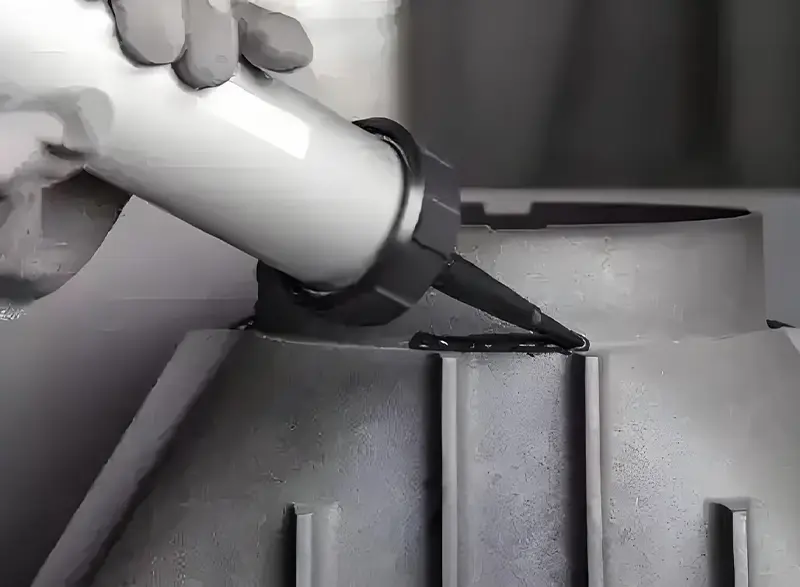
| Silanol Terminated Fluid (OH Polymer) | 70 to 500,000 | -50 to 200 | Hydroxyl reactivity, high adhesion properties. | Sealants, RTV rubbers, textile processing aids. |
How our silicone technologies serve diverse global industries, from agrochemicals to high-speed wind energy and heavy machinery.





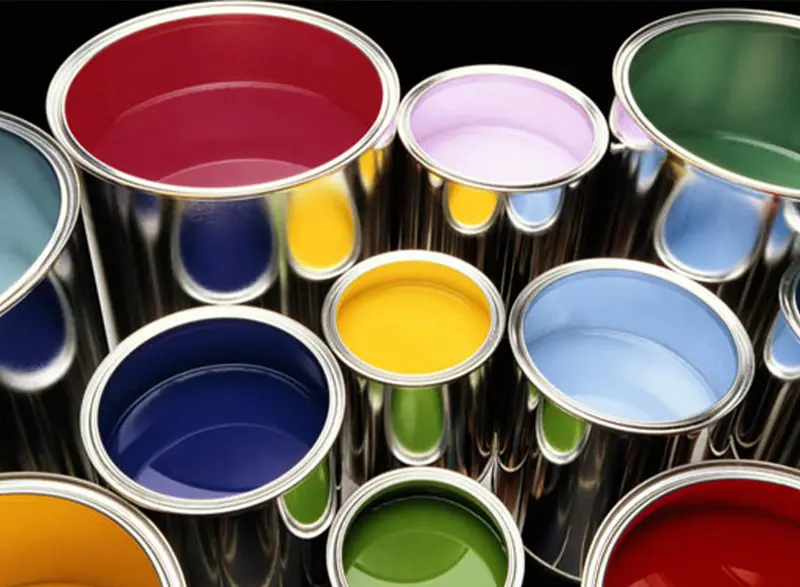


Advanced chemical engineering requires custom solutions for specific mechanical and environmental challenges. Shandong Boctok Chemical Co. supports diverse industrial application channels with targeted silicone formulations:
Yaw and pitch gear systems in modern wind turbines operate under high vibration and extreme mechanical loads. Our methyl-phenyl silicone fluids provide steady viscosity profiles and high film strength under boundary lubrication conditions. This minimizes metal-on-metal wear in remote offshore installations, helping extend maintenance intervals to up to 10 years.
Modern transport systems require components that operate reliably across wide temperature ranges. Boctok's high-purity dimethicone and vinyl silicone fluids are used in torsional vibration dampers, braking system actuators, and specialized dashboard instrumentation. Their high shear stability prevents fluid breakdown under constant mechanical stress, maintaining consistent damping performance.
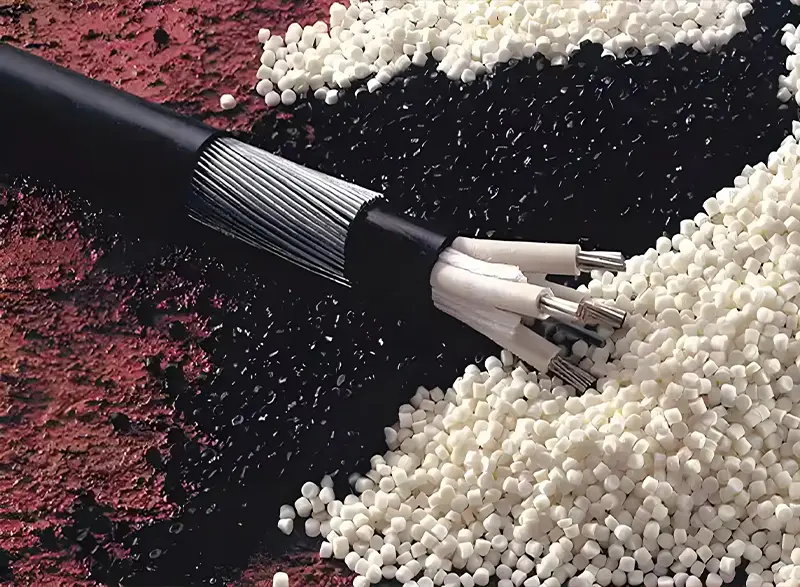
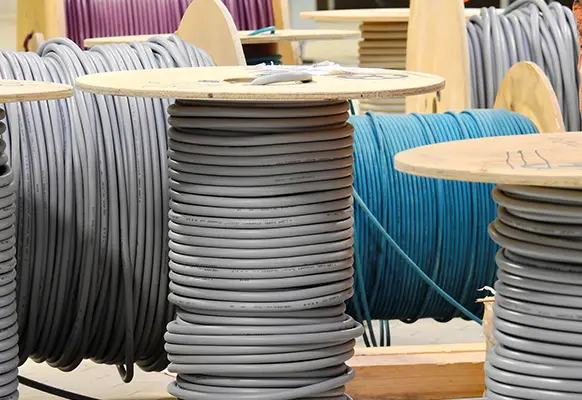
Our organosilicone coupling agents and crosslinkers improve mineral filler dispersion in XLPE electrical cables. This strengthens mechanical bonds and reduces micro-void formation, which is crucial for preventing electrical treeing in high-voltage subsea power links and hot-water pipe systems.
In textile and paper manufacturing, our methyl hydrogen silicone emulsions provide excellent water repellency while maintaining surface breathability. These compounds form a cross-linked elastomeric net on fibers, improving tear strength, fabric feel, and resistance to repeated washing.
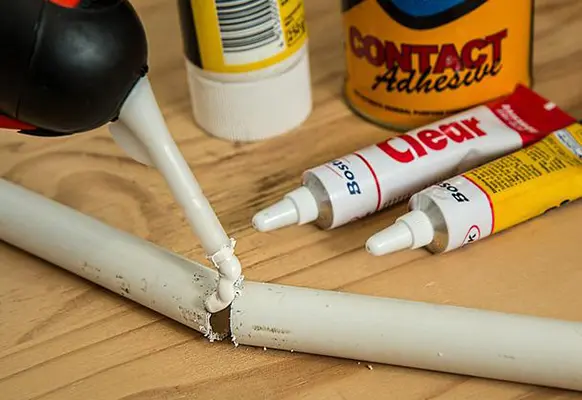
An overview of chemical processing categories and industrial sectors using Boctok's organosilicone, petroleum resin, and agricultural formulations.













The global mechanical lubrication market is shifting from standard hydrocarbons to synthetic organosilicone fluids. This change is driven by demanding operating conditions in aerospace, electric vehicle (EV) manufacturing, and deep-well resource extraction, where mineral oils struggle to perform.
Key technological and market trends include:
Electric vehicles operate at rotational speeds exceeding 15,000 RPM, producing high heat and potential electrical hazards inside the motor casing. Silicone-based mechanical lubrication fluids provide high thermal dissipation and excellent dielectric breakdown resistance, protecting system electronics while reducing friction in transmission units.
Modern regulatory systems like REACH demand biodegradable, non-bioaccumulative lubricants. Research focuses on modified siloxanes with bio-compatible side chains. These fluids maintain high thermal-oxidative stability and low volatility while breaking down safely in soil and marine ecosystems.
High-vacuum semiconductor cleanrooms require lubrication fluids with vapor pressure values near zero to prevent wafer contamination. Phenyl-modified silicone fluids are designed for these environments, offering low outgassing rates and high radiation resistance for robotic positioning units.
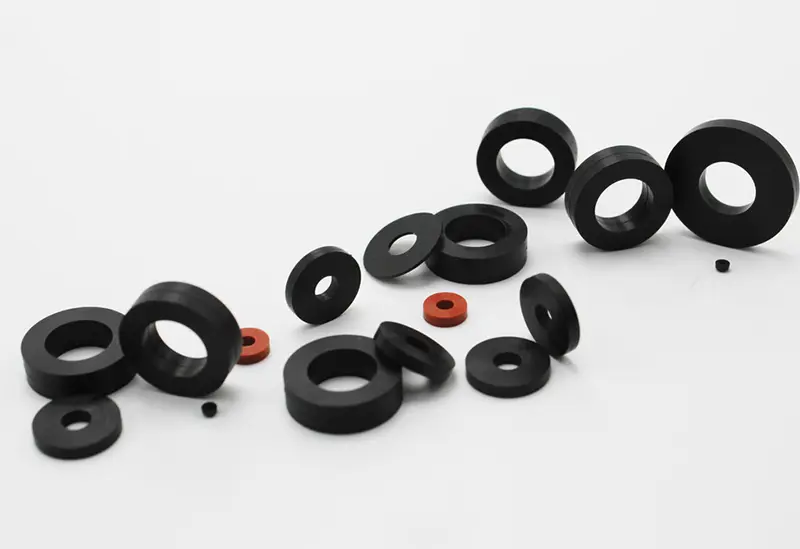
By compounding functionalized silicone oils into elastomers (creating self-lubricating LSR), manufacturers produce durable dynamic seals that exude a controlled lubrication layer over time. This technology is widely used in automotive wiring connectors, medical syringes, and marine subsea valves.
Technical insights on silicone oil viscosities, compatibility, thermal performance, and global supply logistics.
Explore our specialized chemical list of silane monomers, defoamers, and intermediate formulations supporting various industrial applications.
 Boctok Chemical