Explore our premium grade chemical derivatives engineered to satisfy structural reinforcement, moisture cure formulations, and adhesion-promoting metrics.
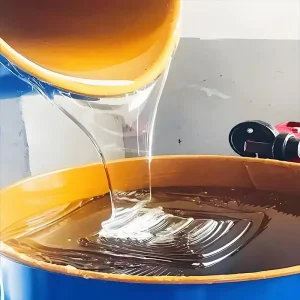
In the rapidly evolving landscape of advanced engineering and material sciences, structural integrity, extreme environmental adaptation, and chemical durability have emerged as key requirements. Isocyanate Silane Modifiers represent a crucial advancement at the intersection of organic polymer chemistry and inorganic silicon chemistry. By combining the highly reactive isocyanate group (-NCO) with hydrolyzable alkoxy groups on a silicon core, these hybrid structures act as bridges that bond dissimilar materials, such as organic polymers and inorganic substrates (silica, glass, metals, minerals).
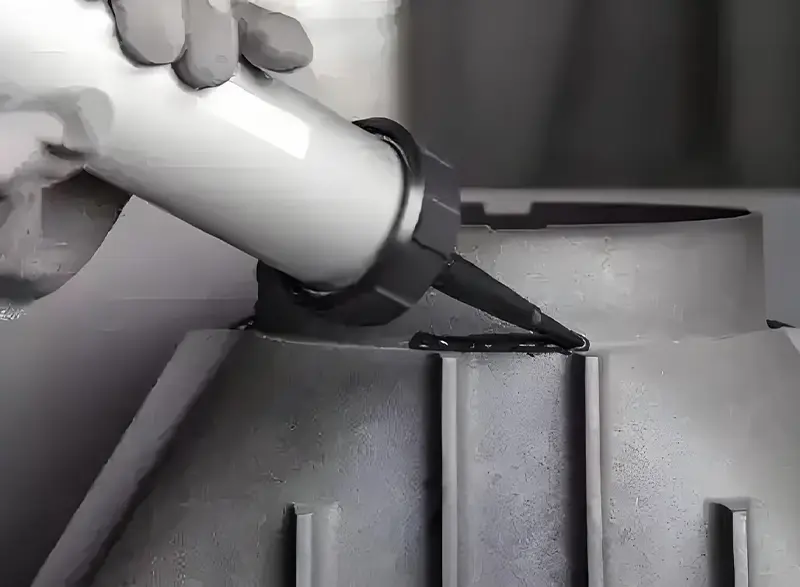
The dual-reactivity profile of isocyanato-functional silanes makes them vital in modifying polyurethane (PU) formulations, polyethers, and polyesters. The isocyanate functionality reacts with active hydrogen-containing species (like polyols, amines, or carboxylic acids) without producing volatile byproducts. Concurrently, the alkoxysilane functionality undergoes ambient moisture-induced hydrolysis, forming silanol intermediates that condense into highly durable siloxane networks (Si-O-Si). This process creates highly resilient coatings, sealants, and structural adhesives, which are essential for automotive, construction, and electronics applications.
As a global chemical manufacturer, Shandong Boctok Chemical Co. plays an important role in scaling high-purity organofunctional silanes. By improving purity profiles, reducing oligomeric fractions, and optimizing the thermal stability of the modifier chains, we help downstream formulators solve challenges related to shelf-life stability, crosslinking speed, and color degradation.
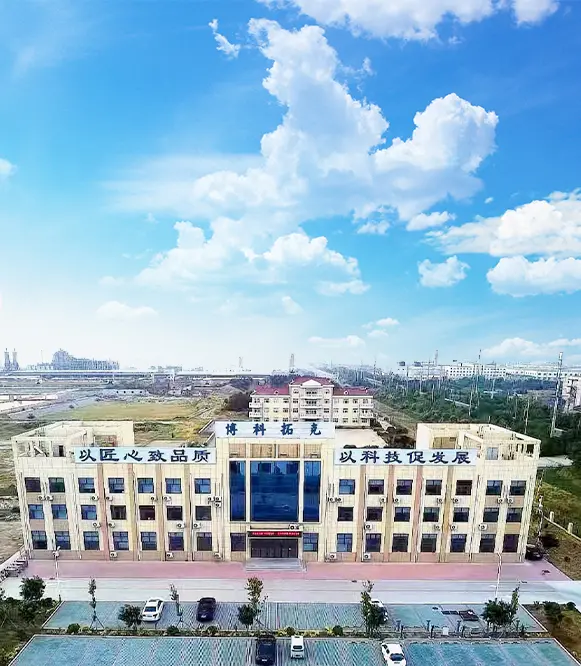
Founded in 2012, Shandong Boctok Chemical Co. has grown into a leading developer, manufacturer, and supplier of advanced organosilicon systems, high-purity petroleum resins, and specialized agrochemical components. Serving as the strategic hub for both domestic and overseas market segments under our recognized Boctok™ brand, we reached an annual sales revenue of US$280 million in 2023.
To support international supply chains, the BOCTOK brand maintains a dedicated focus on the Russian market, providing regional support, streamlined customs operations, and tailored technical support. Our business is built on rigorous manufacturing standards, using fully automated control systems to ensure consistent product properties across batches.
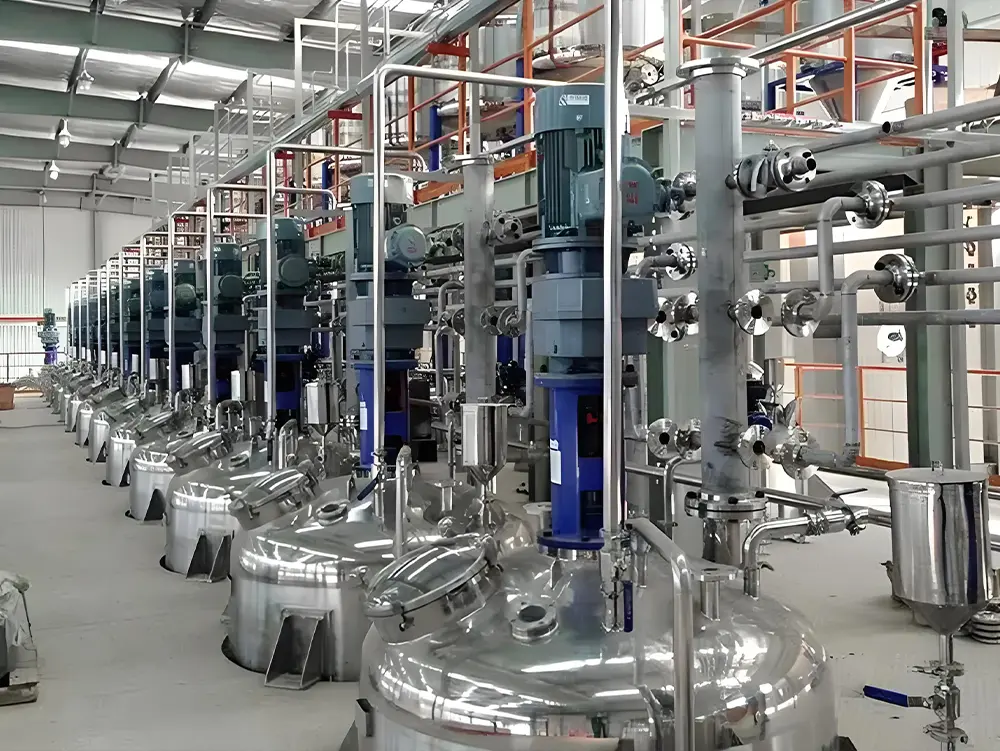
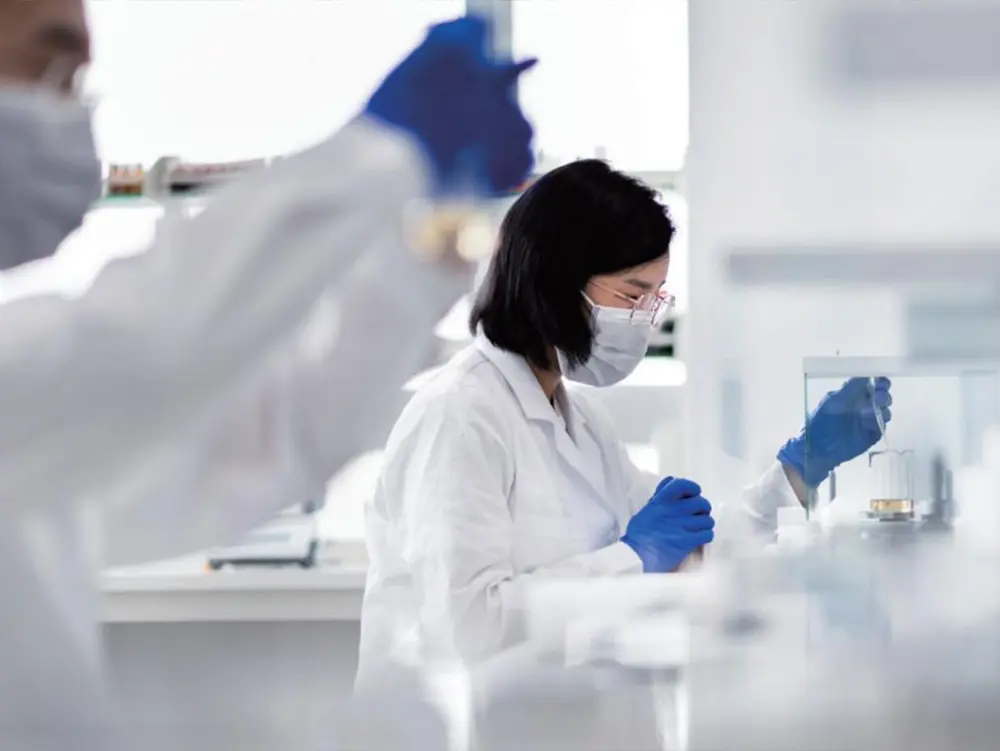
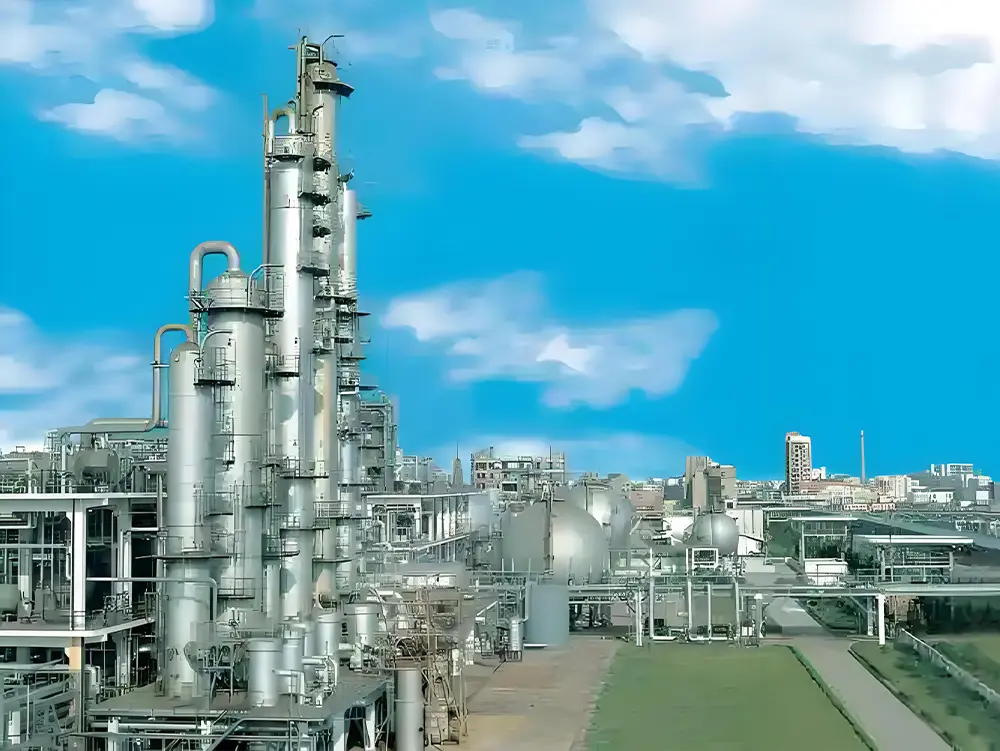
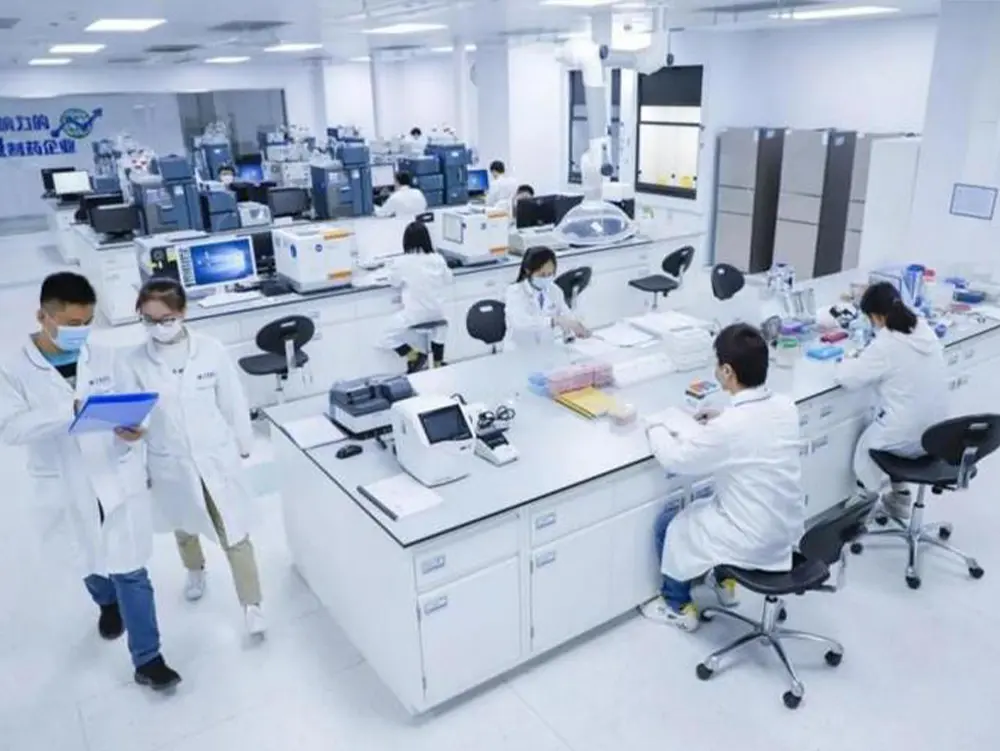
Serving multiple global industries, including composite manufacturing, advanced construction sealants, agriculture, and protective industrial coatings.
Our primary business covers twelve distinct series of coupling agents and crosslinkers:
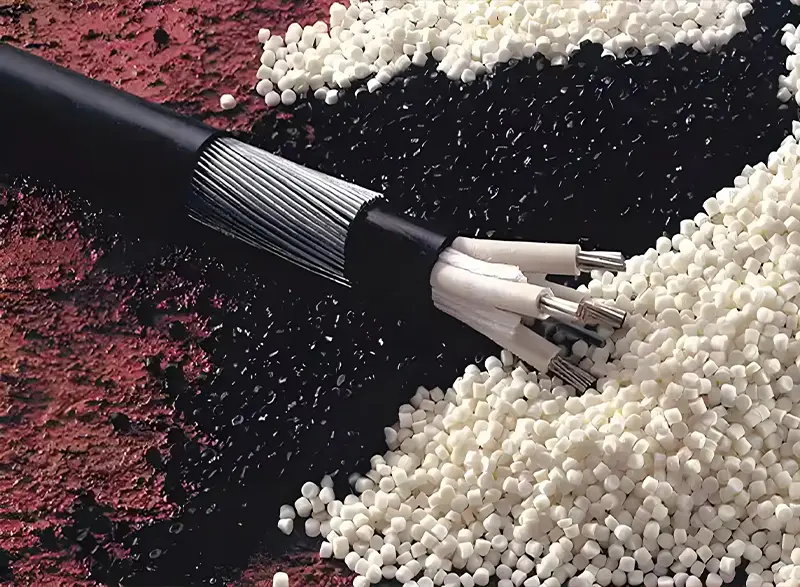
Leveraging raw materials from SINOPEC and PetroChina across our three specialized manufacturing facilities in Zibo, Fushun, and Nanjing:
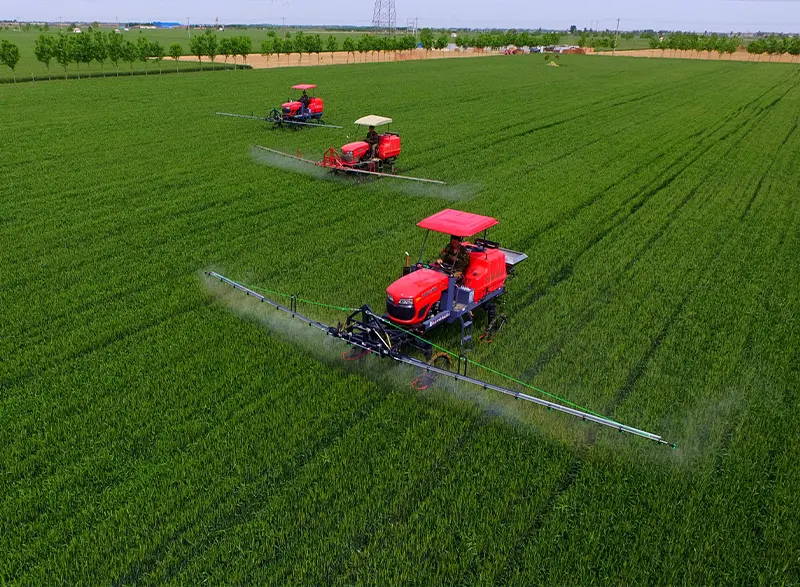
Serving agricultural productivity through high-quality synthesis intermediates and formulation ingredients:
Translating silane chemistry into performance advantages across heavy industries and advanced manufacturing sectors.
Modern lightweight vehicles rely on structural bonding rather than mechanical fasteners. Isocyanate Silane Modifiers enable high-performance bonding of aluminum, carbon fiber composites, and glass to steel chassis. They provide excellent UV resistance and maintain flexibility across a wide temperature range, satisfying the automotive industry's standards for vibration damping and structural safety.
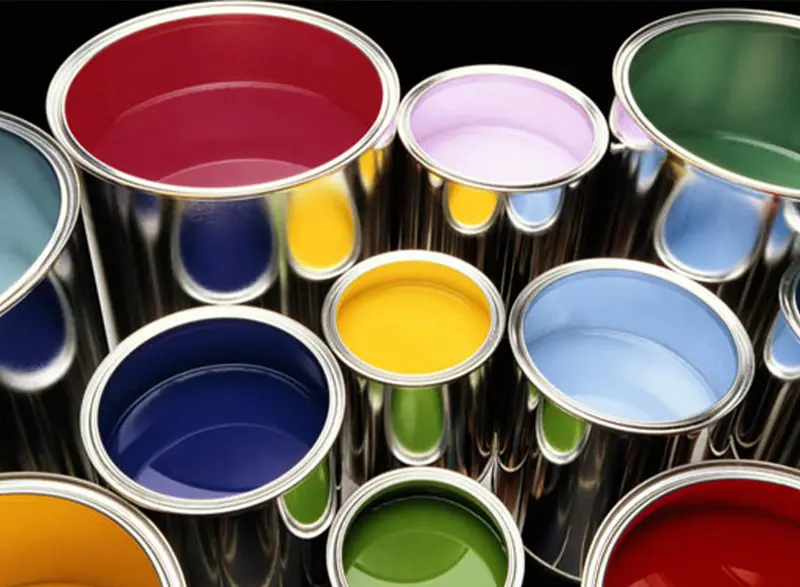
For high-rise building facades, concrete joints, and window installations, sealants must withstand extreme UV exposure, cyclic movement, and moisture. Our silane-modified polyethers (MS Polymers) cured with high-grade modifiers prevent cohesive failure. They exhibit low bubbling characteristics during application and adhere well to porous masonry substrates.
Printed circuit boards (PCBs) and aerospace sensors operate under challenging conditions. By incorporating high-purity isocyanatosilane coupling agents into silicone and polyurethane conformal coatings, we establish a robust moisture barrier. This prevents ionic migration, metallic corrosion, and electrical leakage, ensuring long-term reliability.
Wind turbine blades must endure continuous aerodynamic fatigue. Glass and carbon fiber sizing with our epoxy and isocyanate functional silanes optimizes the interfacial shear strength between fibers and epoxy resins. This maximizes fracture toughness and prolongs the operational lifespan of wind energy components.
The global demand for organofunctional silanes is rising, driven by shifting environmental regulations, the expansion of high-tech manufacturing, and the growth of green building materials. Key industrial players in North America, Western Europe, and East Asia are transitioning away from high-VOC solvent-borne formulations toward moisture-curable, solvent-free systems. As a result, the commercial supply chain must secure high-quality intermediates, such as isocyanate silane modifiers, to meet these demand shifts.
Shandong Boctok Chemical Co. has invested US$65 million to build a modern production plant in the Bohai Industrial Park, Shouguang City, Shandong Province. This facility features 6 automated DCS-controlled production lines with an annual output capacity of 30,000 tons of silane coupling agents and crosslinkers. This investment helps secure supply-chain stability and consistent quality for downstream buyers in critical manufacturing regions.
By maintaining raw material pathways through agreements with SINOPEC and PetroChina, Boctok provides consistent supply, even during periods of volatile global shipping. This helps mitigate price volatility for our industrial clients.
Optimizing formulations for regional regulatory standards and demanding environmental conditions.
Operating in Russia and neighboring regions requires adaptation to sub-zero temperatures. Industrial sealants must maintain flexibility at temperatures down to -50°C without crack propagation. Our BOCTOK brand silanes are designed to meet GOST standards, providing reliable cure rates and durability for cold-climate applications.
With strict REACH limits on monomeric isocyanates in coatings and adhesives, our modifiers provide a compliant solution. They react out during prepolymer synthesis, leaving zero free isocyanate monomeric traces. This enables manufacturers to meet strict health, safety, and environmental standards.
Rapid urbanization in the Asia-Pacific region demands durable adhesives for curtain walls, high-speed rail tracks, and electronics. Our Shouguang facility offers short logistics lead times and customized packaging options to support this fast-paced market.
The production of organofunctional silanes requires precise handling of hazardous chemical reactions. Our new plant integrates advanced safety and process technologies:
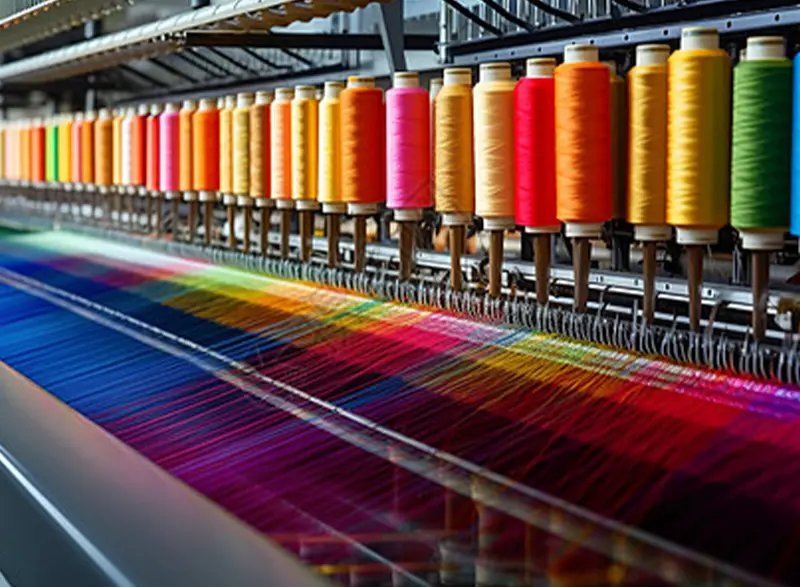
Our products are used in a wide range of industries, enhancing material properties and durability.




Answering common questions regarding the chemistry, storage, and application of isocyanatosilane modifiers.
Select from our range of specialized silanes, resins, and agricultural intermediates for specific industrial needs.
 Boctok Chemical