1. Interfacial Hydrolysis and Chemical Condensation
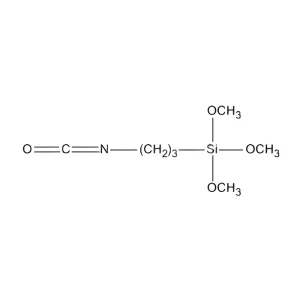
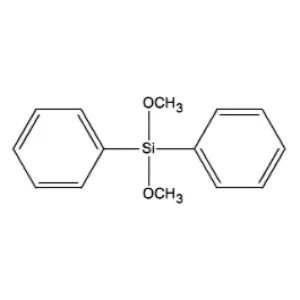
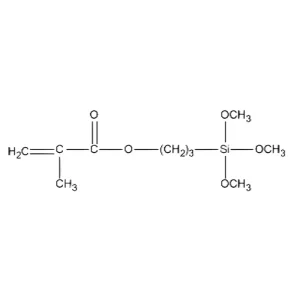
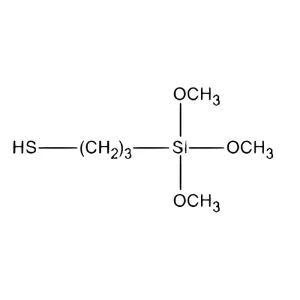
The coupling mechanism of an organofunctional silane relies on a two-step chemical reaction. First, the hydrolyzable groups (typically methoxy, ethoxy, or acetoxy functional elements attached to the silicon atom) undergo hydrolysis in the presence of trace moisture. This converts the alkoxy silane into a reactive silanol. Following hydrolysis, these silanol monomers physically adsorb via hydrogen bonding onto hydroxyl-rich inorganic substrates (such as silica, quartz, glass fiber, or metal oxides). During subsequent curing cycles, condensation occurs, releasing water or alcohol as a byproduct and forming covalent siloxane (Si-O-Si) chemical bonds at the interface.
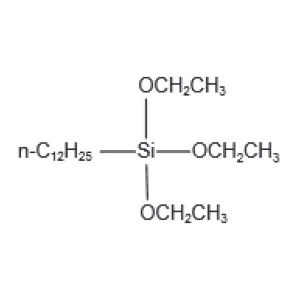
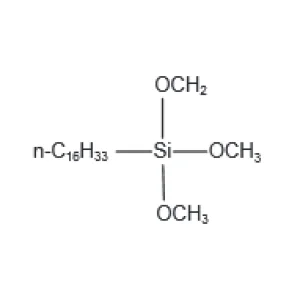
Maintaining the integrity of this Si-O-Si interface under hydrothermal conditions is a key engineering challenge. Moisture can attack and hydrolyze the siloxane linkage, leading to bond cleavage. Shandong Boctok Chemical’s advanced high-temperature resistant silanes incorporate hydrophobic alkyl groups (such as dodecyl or cetyl chains) alongside bulky phenyl ligands. These hydrophobic units repel water molecules, shielding the siloxane linkages and preserving the chemical bond even in boiling water or high-humidity environments.
2. Tailoring Reactivity for High-Performance Matrices
Different organic polymer systems require matching reactive functionalities on the silane coupling agent to ensure effective crosslinking:
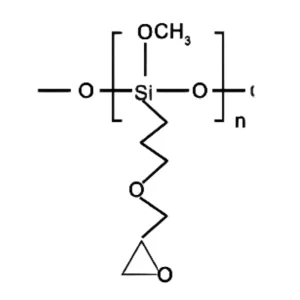
- Epoxy Resin Matrices (FRPs, PCBs): Epoxysilane monomers and oligomers (e.g., CAS 117329-24-2) offer controlled oxirane ring opening. This facilitates integration into epoxy, polyurethane, and phenolic systems, reducing stress cracking and improving flexural modulus.
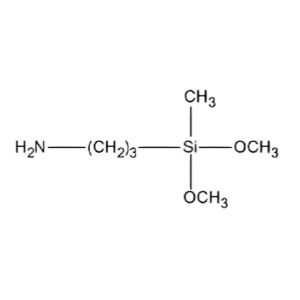
- High-Temperature Thermoplastics (PEEK, PI, PPS): Phenyl and amino-functional silanes provide the thermal stability necessary to withstand extreme melt-processing temperatures (often exceeding 300°C) without losing functionality.
- Silicone Rubber & Gum compounding: Vinyl-functional silanes (e.g., CAS 67762-87-2) participate in free-radical or platinum-catalyzed hydrosilylation reactions, forming highly integrated crosslinked networks that improve tear strength and compression set.
3. Green Production: Transitioning to Low-VOC Sol-Gel Technologies
Industrial health standards and environmental regulations, such as REACH and EPA guidelines, require a reduction in VOC emissions. Traditional monomeric silanes release significant amounts of methanol or ethanol during hydrolysis, which can create micro-voids in cured composites and pose occupational hazards. Boctok Chemical has addressed this by developing a line of pre-hydrolyzed silane oligomers. These oligomeric materials exhibit high boiling points and flashpoints, significantly reducing chemical volatilization. Additionally, their pre-condensed structure yields higher coupling density per unit mass, improving performance while reducing overall chemical consumption.
 Boctok Chemical