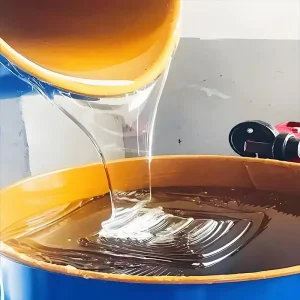
High Hydrogen Content Silicone Oil, scientifically recognized as Polymethylhydrosiloxane (PMHS), has become a cornerstone material in modern polymer science and industrial processing. Functioning primarily as a crosslinking agent, hydrophobizing treatment, and reactive intermediate, its value stems from its highly reactive silicon-hydrogen (Si-H) bonds. Globally, the commercial demand for PMHS is expanding rapidly, driven by the transformation of building insulation materials, high-performance liquid silicone rubber (LSR), eco-friendly textile finishes, and advanced pharmaceutical synthesis.
In the international marketplace, downstream enterprises demand chemical consistency, precise structural control, and optimized viscosity values. Historically, manufacturing has been concentrated within a few global chemical conglomerates. However, the rise of specialized Chinese organosilicone facilities has fundamentally transformed the supply chain. These operations combine substantial manufacturing economies of scale with rigorous chemical synthesis techniques, ensuring reliable access to high-purity materials for global procurers.
As environmental directives like REACH, RoHS, and TSCA tighten global restrictions on VOC emissions and chemical safety, high hydrogen silicone oil has emerged as a key solution. Because it can undergo crosslinking without releasing volatile organic byproducts—producing only inert, crosslinked silicone networks or non-hazardous water vapor under catalyzed reaction paths—it serves as an environmentally compliant, sustainable option across multiple industrial sectors.
Founded in 2012, Shandong Boctok Chemical Co. has established itself as an authoritative hub for marketing, sales, and technical development across domestic and international markets. Demonstrating stable growth and global reach, the company achieved sales of US$280 million in 2023, with its specialized BOCTOK brand serving as a key partner in Eastern European and Russian industrial markets.
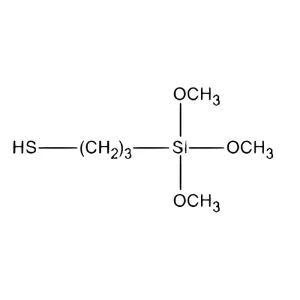
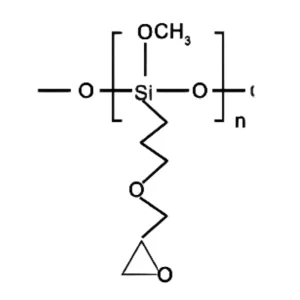
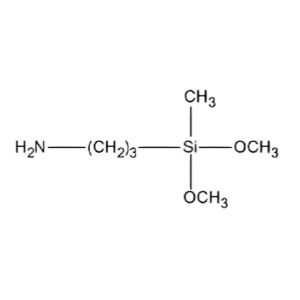
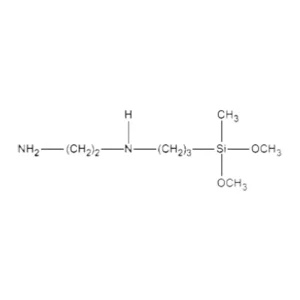
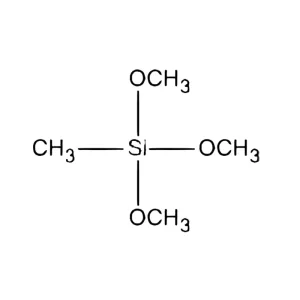
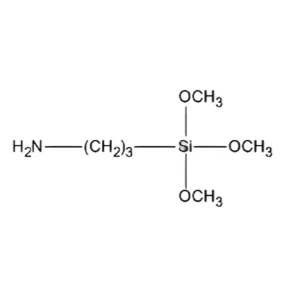
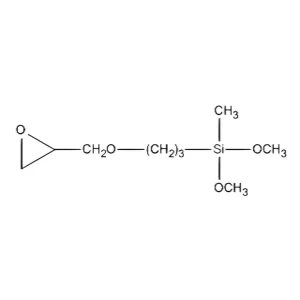
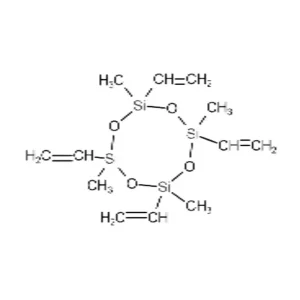
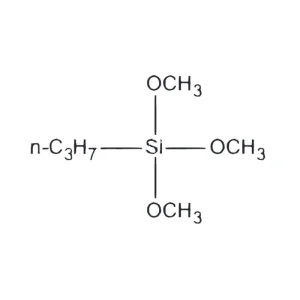
Boctok’s core operations are structured around high-tier chemical divisions. Our primary organosilicone business spans twelve series of silane coupling agents and crosslinkers—including aminosilane, methacrylate silane, epoxy silane, vinyl silane, mercaptosilane, alkyl silane, ethyl silicate, chlorosilane, silane isocyanates, phenyl silane, ureidosilane, and serosilane. Additionally, our chemical capabilities cover silicone oils, silicone resins, and rubbers, with a strong focus on high-hydrogen silicone oil, dimethicone, vinyl silicone oil, polyphenylmethyldimethylsiloxane, phenyl silicone oil, silanol silicone oil, OH polymer, alkoxy silicone oil, methyl MQ resin, vinyl VMQ resin, and room-temperature vulcanized silicone rubbers.
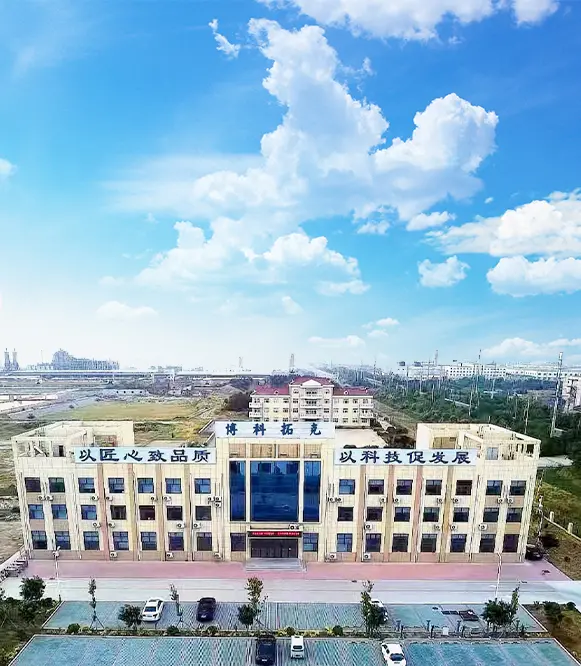
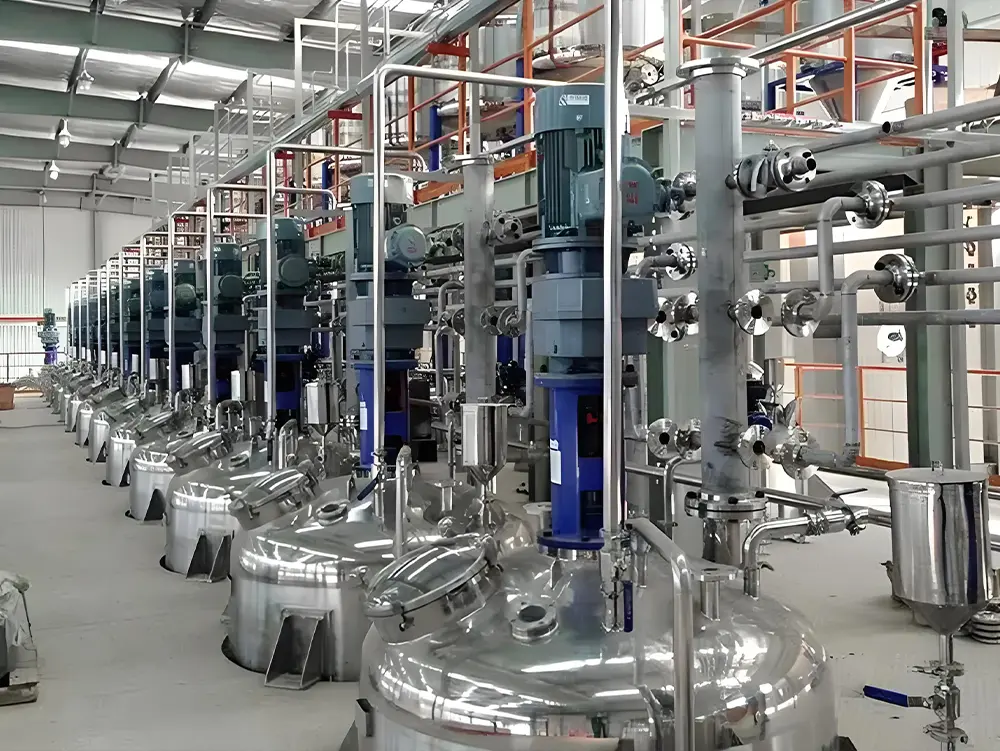
Boctok recently invested US$65 million to construct a state-of-the-art plant in Bohai Industrial Park, Shouguang City, Shandong Province. Spanning 6 automatic DCS lines, the site achieves an annual output of 30,000 tons of silane coupling agents and advanced silicone compounds.
The facility is equipped with automated remote DCS systems and safety instrument systems (SIS). We adhere strictly to ISO9001 quality management system standards at every stage of the synthesis process to ensure batch-to-batch product consistency.
Boctok has integrated advanced waste gas collection and treatment networks alongside modern wastewater systems, minimizing emissions and aligning production with global green chemistry principles.
China's leadership in the silicone oil sector is supported by robust supply chain integration and technological optimization. The concentration of upstream chemical plants, raw siloxane monomer production, and essential catalyst suppliers allows manufacturers to source precursors with minimal logistical delays. By relying on reliable and abundant raw materials from state-owned enterprises like SINOPEC and PetroChina, organizations like Shandong Boctok Chemical maintain consistent operational schedules without seasonal feedstock constraints.
Furthermore, Chinese manufacturing efficiency is defined by the rapid adoption of smart factory infrastructure. Industrial processes that once relied on manual sampling are now monitored in real-time through distributed DCS platforms. This high level of automation reduces energy consumption and limits secondary reactions, allowing factories to yield high hydrogen silicone oil with exact hydrogen percentages (typically ranging from 1.55% to 1.62% active hydrogen content) and consistent viscosity profiles.
This concentration of technology and scale translates into strong commercial advantages for international buyers:
Standard and high-purity specifications optimized for global B2B procurement applications.
| Property Parameter | Standard Grade Specification | Premium Electronic Grade | Analysis / Test Standard |
|---|---|---|---|
| Appearance | Colorless, odorless transparent liquid | Colorless, transparent liquid (No suspension) | Visual Inspection |
| Active Hydrogen Content (%) | 1.50% - 1.58% | 1.58% - 1.62% | Gas volumetric method / NMR |
| Viscosity (25°C, mm²/s) | 18 - 28 cSt (Customizable) | 20 - 30 cSt | GB/T 10247 / Viscometer |
| Volatile Matter (150°C, 2h) | ≤ 3.0% | ≤ 1.5% | Gravimetric analysis |
| Refractive Index (nD25) | 1.390 - 1.410 | 1.395 - 1.405 | Abbe Refractometer |
| Flash Point (Closed Cup) | ≥ 110°C | ≥ 125°C | ASTM D93 |
Diverse industrial sectors utilize the crosslinking and modification capabilities of PMHS and petroleum resins.





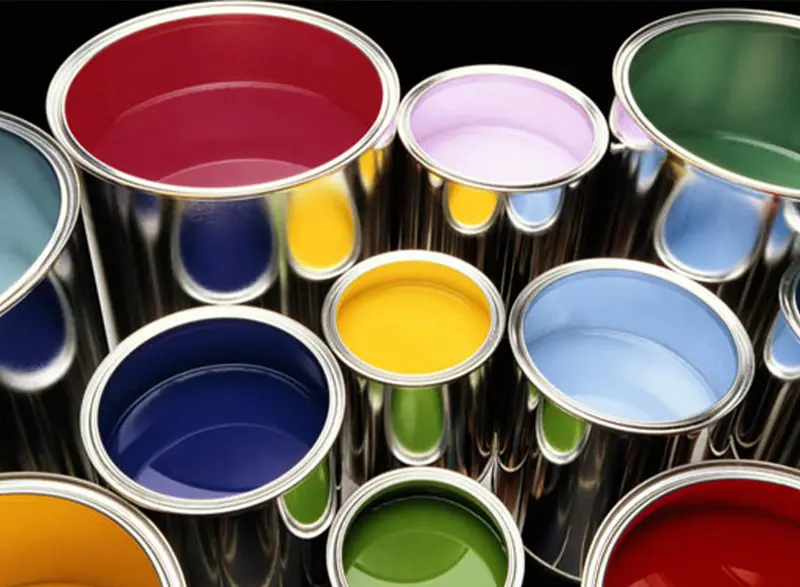
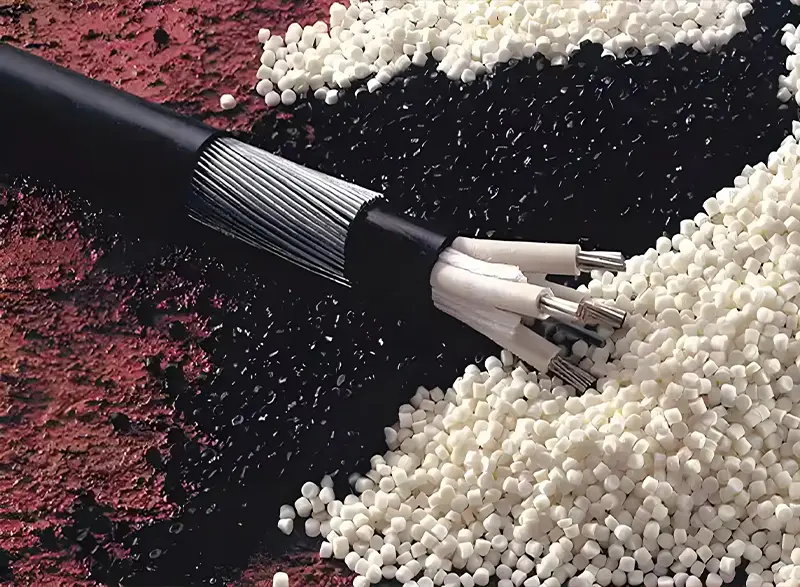


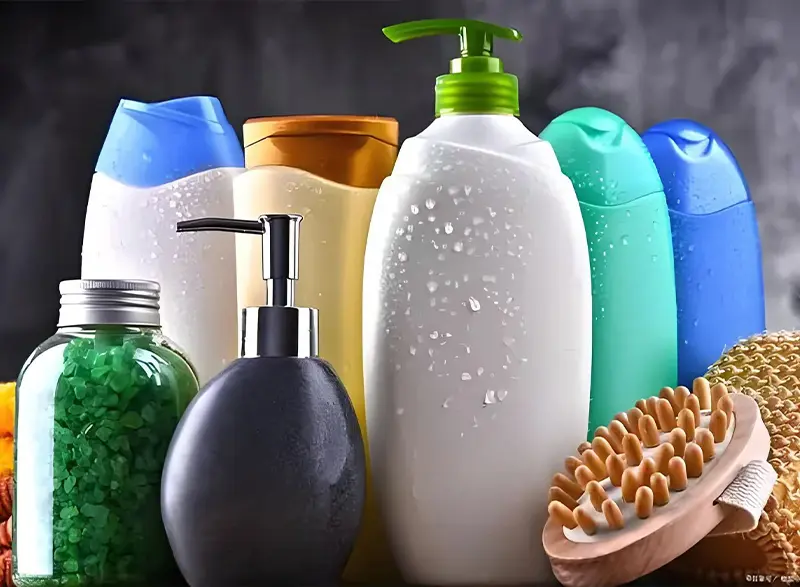
High hydrogen content silicone oil operates across a diverse range of application scenarios, serving as a key component in advanced material formulations:
The global silicone market is shifting toward highly specialized, low-volatile chemical formulations. As manufacturing standards rise, industrial buyers are seeking high hydrogen silicone oils with minimal cyclic siloxane contents (such as D4, D5, and D6), ensuring alignment with environmental and consumer safety regulations.
Another major development is the synthesis of electronic-grade high hydrogen silicone oils. The semiconductor, automotive sensor, and solar cell encapsulant industries require raw materials with low ionic impurities. To meet these demands, Chinese manufacturers are integrating advanced multi-stage thin-film distillation and precision catalyst recovery processes. These techniques yield silicone oil with low parts-per-million (ppm) levels of heavy metals and free chlorine, suitable for potting electronic assemblies.
Finally, the growth of the hydrogen economy has sparked interest in polysiloxanes as solid-state hydrogen storage and carrier platforms. Thanks to their high volume of hydrolytically releasable active hydrogen, high-hydrogen organosilicon polymers are being researched for controlled hydrogen generation systems.
Qualifying chemical suppliers requires verifying their raw material supply chains, process automation, and safety metrics. B2B procurers should request detailed documentation covering:
Shandong Boctok Chemical Co. supports B2B buyers with comprehensive technical documentation, pre-shipment sample verification, and robust logistic support, ensuring stable supply chains and reduced transactional risk.
Answers to technical and commercial questions frequently asked by B2B chemical buyers.
High hydrogen content silicone oil generally has a shelf life of 12 months under proper storage conditions. The containers must be kept tightly sealed in a cool, dry, and well-ventilated warehouse, away from fire sources, direct sunlight, and heat. The storage temperature should not exceed 30°C. Because the active Si-H bonds are highly reactive, exposure to moisture, acids, alkalis, or metallic impurities can trigger catalytic decomposition, generating flammable hydrogen gas. Keep drums sealed under a dry nitrogen blanket.
The active hydrogen content (typically 1.50% - 1.62% in high-grade oils) dictates the crosslinking density in downstream applications. In gypsum board manufacturing or liquid silicone rubber synthesis, a lower-than-specified hydrogen content reduces crosslinking density, resulting in poor water repellency or lower mechanical strength. High-purity active hydrogen content ensures reliable formulation ratios and consistent curing times.
Yes, but it must be synthesized under strict food-contact or pharmaceutical-grade specifications, ensuring minimal low-molecular-weight volatile siloxanes (D4-D10 cyclic components) and zero heavy-metal catalyst residues. Manufacturers must provide specific compliance declarations (e.g., FDA 21 CFR or European Food Contact regulations) to qualify the product for medical devices or food wrapping coatings.
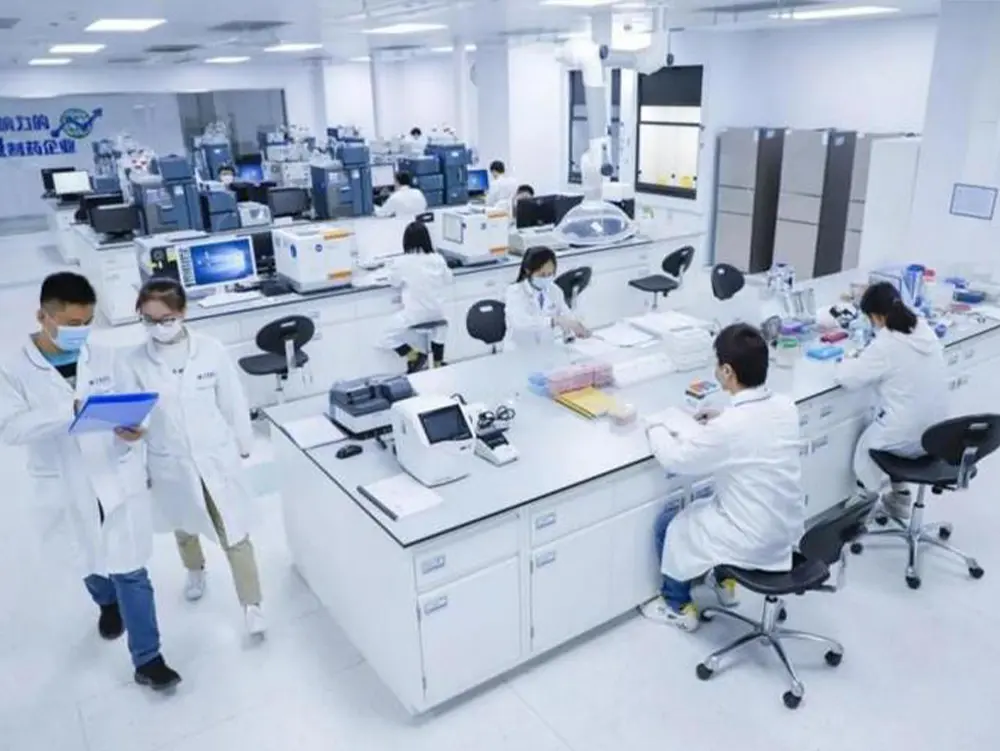
Our quality control relies on automated remote DCS systems and safety instrument systems (SIS) at our Shouguang manufacturing base. We maintain real-time monitoring of raw material feeds, polymerization temperatures, and distillation vacuums. Every batch is analyzed via gas chromatography and refractive index testing, ensuring strict compliance with ISO9001 quality management guidelines.
Sourcing directly from Chinese producers like Boctok Chemical offers cost advantages due to upstream integration with basic raw materials (SINOPEC/PetroChina) and large-scale manufacturing capacity (30,000 tons annually). Additionally, our technical and sales teams provide direct communication, customized viscosity adjustments, and complete shipping logistics, avoiding intermediate distribution markups.
Silane coupling agents act as adhesion promoters between organic polymers and inorganic fillers, while high hydrogen silicone oil serves as a hydrophobizing or crosslinking agent. Used together, they modify filler surfaces (like glass fibers or silica) and crosslink the surrounding silicone matrix, improving the mechanical strength, thermal stability, and moisture resistance of the final composite material.
 Boctok Chemical