High-purity industrial silanes and agrochemical products optimized for advanced polymeric reactions and functional coatings.
Established in 2012, Shandong Boctok Chemical Co. has consistently developed as an industry-leading marketing, sales, and manufacturing center for Boctok™ domestic and global operations. Underpinning its deep engineering capabilities and high-fidelity logistics, the company recorded total sales of US$280 million in 2023. We provide specialized, state-of-the-art organosilicon materials and hydrocarbon polymers tailored for strict high-performance benchmarks. Specifically, the BOCTOK brand is strategically calibrated to serve the highly demanding Eastern European and Russian industrial segments.
Boctok's organosilicon solutions span twelve primary series of silane coupling agents and crosslinkers. These product groups include highly reactive functional silanes—such as aminosilanes, methacrylate silanes, epoxy silanes, vinyl silanes, and mercaptosilanes—along with structural options like alkyl silanes, ethyl silicates, and isocyanatosilanes. Our extensive material selection satisfies critical roles across glass fibers, wind energy composites, daily chemical commodities, crosslinked polyethylene (XLPE) cables, and oil-field drillings.
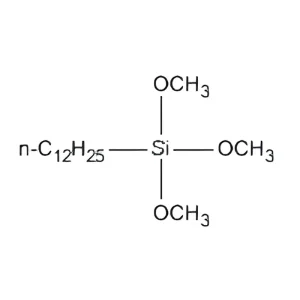
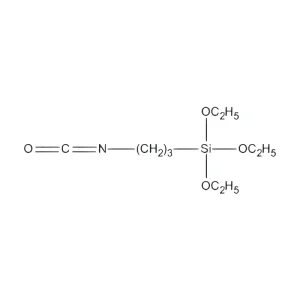
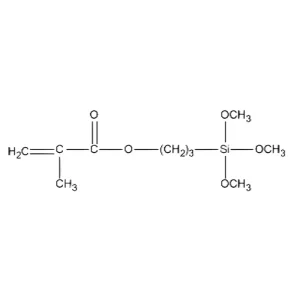
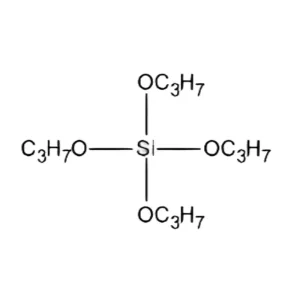
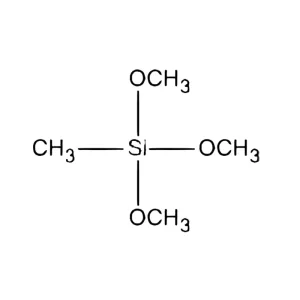
Organosilanes containing at least one silicon-alkoxy group ($Si-OR$, where $R$ is an alkyl group such as methyl, ethyl, or propyl) are generally classified as alkoxy silanes, or in broader industrial nomenclature, cyloxy silanes. The primary commercial value of these compounds lies in their dual-reactivity profile. They contain an organic functional group (such as amino, methacrylate, vinyl, or epoxy) that binds covalently to organic polymers, alongside hydrolyzable alkoxy groups that bond chemically to inorganic substrates (like silica, glass, or metals).
Upon exposure to moisture (ambient humidity or water in formulations), the alkoxy groups undergo hydrolysis, liberating alcohols (e.g., methanol or ethanol) and forming reactive silanol groups ($Si-OH$). This reaction is typically catalyzed by acids or bases.
The silanol groups condense with hydroxyl groups on the surface of inorganic substrates (silicon dioxide, glass, metals) to form stable siloxane bonds ($Si-O-M$, where $M$ is the metal or silicon substrate). This creates a durable interfacial seal.
Simultaneously, silanols condense with neighboring silanol molecules to form a crosslinked, polymeric siloxane network (oligomers) on the surface, significantly increasing resistance against thermal breakdown, chemical attack, and water ingress.
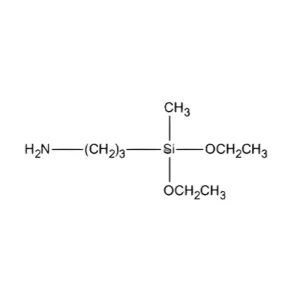
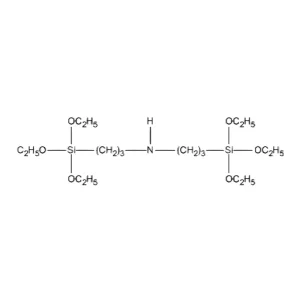
This mechanism explains why products like 3-Aminopropylmethyldiethoxysilane (CAS 3179-76-8) and Bis-[3-(triethoxysilyl)-propyl]amine (CAS 13497-18-2) are highly valued in automotive primers, foundry resins, and polyurethane coatings. By bridging incompatible polymer matrices and inorganic surfaces, they prevent mechanical failure and delamination under harsh environmental conditions.
Shouguang Chemical Industrial Park Expansion: A US$65 Million Investment
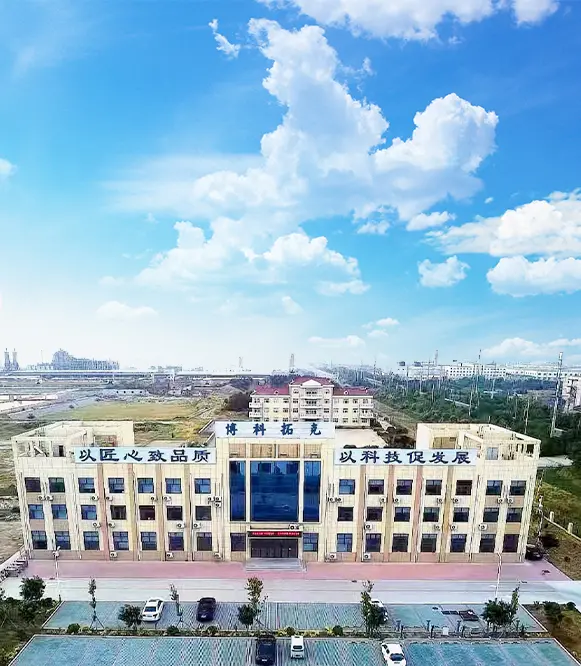
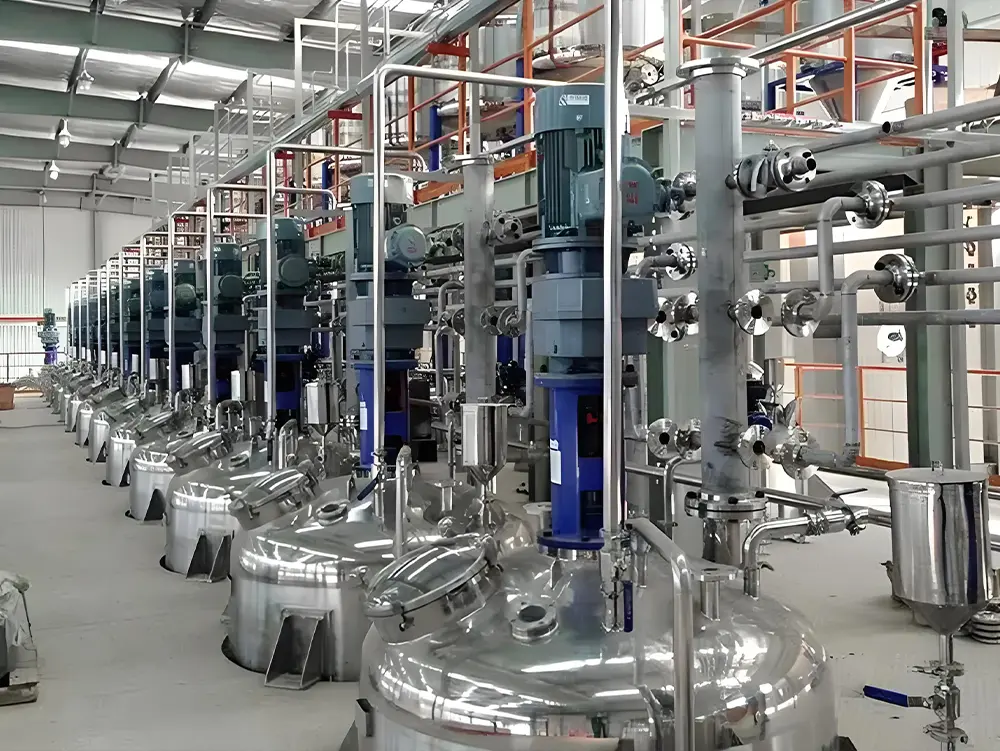
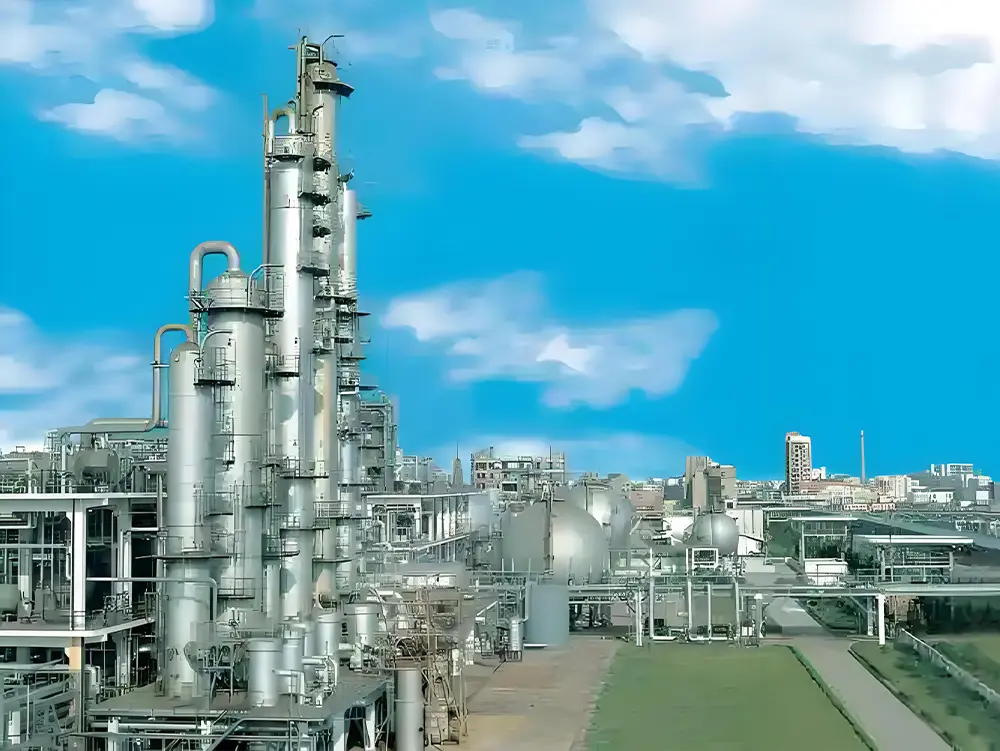
To meet the rising global demand for stable organosilicon chains, Boctok invested US$65 million to construct a state-of-the-art plant in the provincial Bohai Industrial Park in Shouguang City, Shandong Province. Spanning advanced synthesis columns and automated storage solutions, the plant houses 6 automatic DCS production lines with a combined annual capacity of 30,000 tons of silane coupling agents.
Equipped with Distributed Control Systems (DCS) for remote reaction tracking, ensuring batch-to-batch consistency and minimal manual errors.
Integrated Safety Instrumented Systems (SIS) run parallel to the main process lines, offering automatic shut-down procedures to safeguard operations.
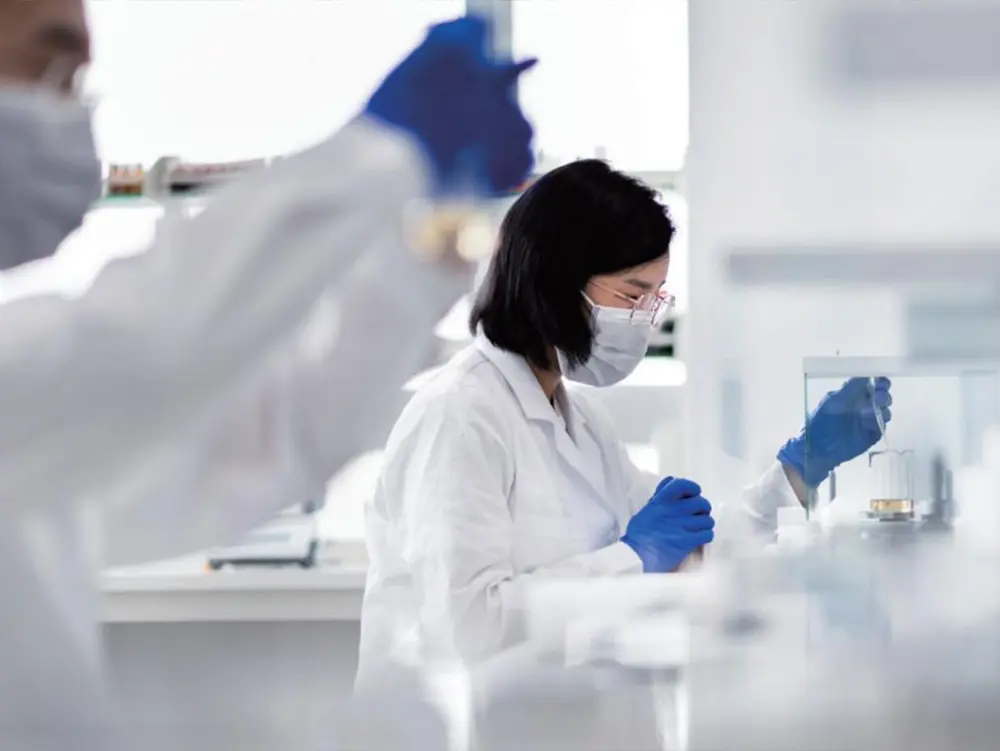
Strict alignment with ISO9001 standards guarantees that raw chemical raw materials, intermediate syntheses, and final packagings conform to precise target values.
Closed-loop off-gas recovery and integrated wastewater treaters limit volatile organic compound emissions, supporting sustainable carbon reduction.
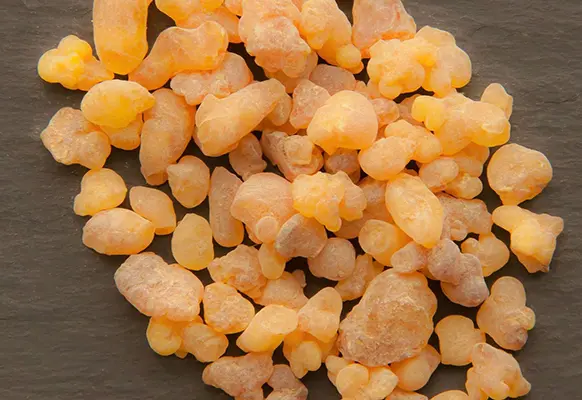
While organosilicons represent our primary domain, Boctok’s Tier II business relies on highly specialized hydrocarbon (petroleum) resins. Operating three dedicated manufacturing lines in Zibo, Fushun, and Nanjing, Boctok uses stable raw monomers directly from SINOPEC and PetroChina. This allows us to supply high-purity C9 hydrogenated resins, C5 aliphatic resins, C5/C9 aromatic copolymer resins, and specialty monomers like dicyclopentadiene (DCPD) and methyl cyclopentadiene dimer. These resins act as critical tackifiers, binding agents, and hydrophobic regulators in hot-melt adhesives, road marking paints, and plastic compounding.
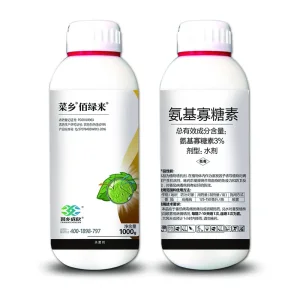
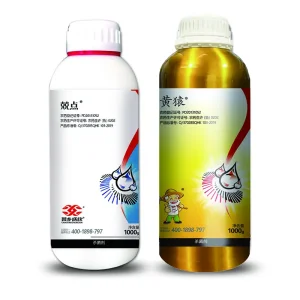
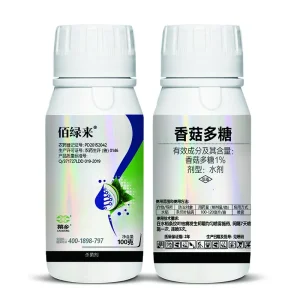
Boctok also maintains an active presence in the agrochemical field, manufacturing active ingredients, functional intermediates, and formulation additives. These include custom crop regulators, fungicides, and targeted herbicides. Among the notable compounds supplied in this category are:
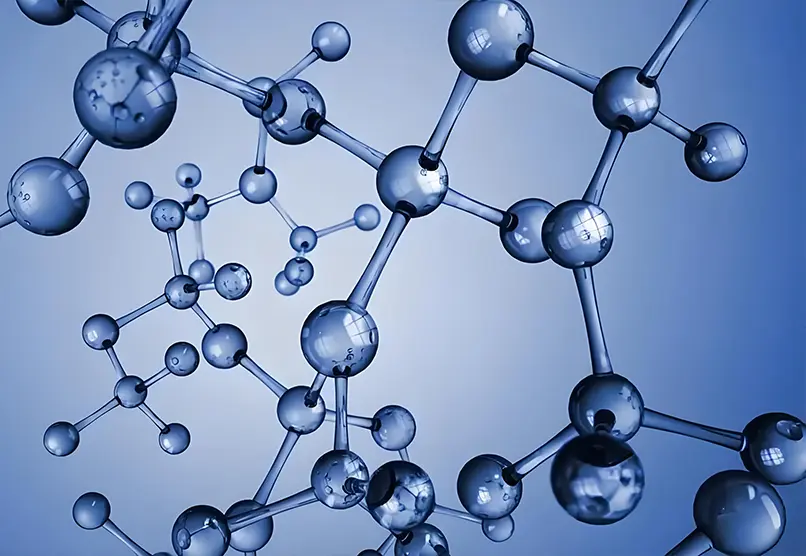
Chemical Materials
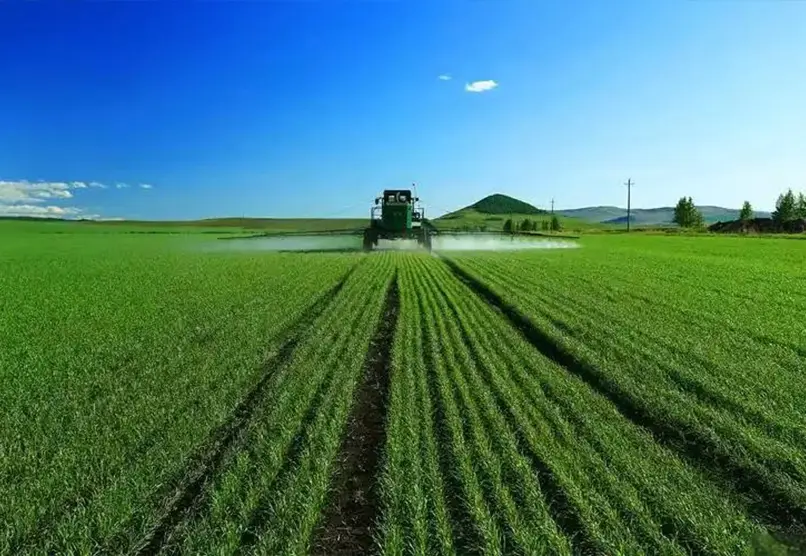
Pesticides & Agrochemicals
Our silanes and polymers form the invisible, high-performance backbone of modern infrastructure, transport, and energy systems.
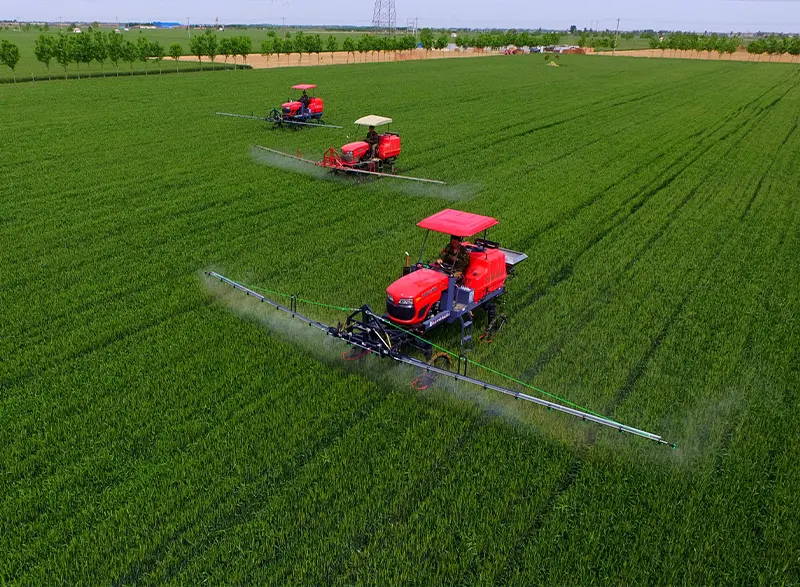
Specialized formulation additives for optimal agricultural distribution.
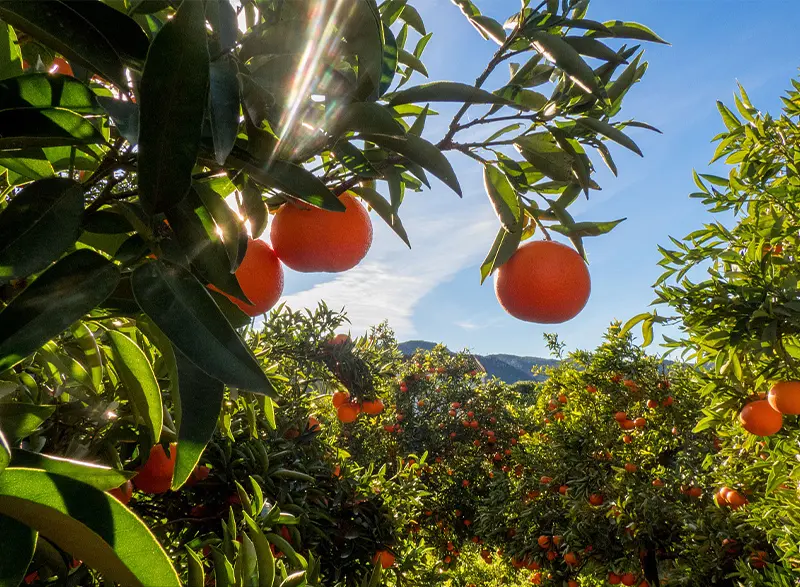
Targeted agrochemical intermediates to maximize agricultural yield.

Systemic protection compounds designed for green foliage and flora.
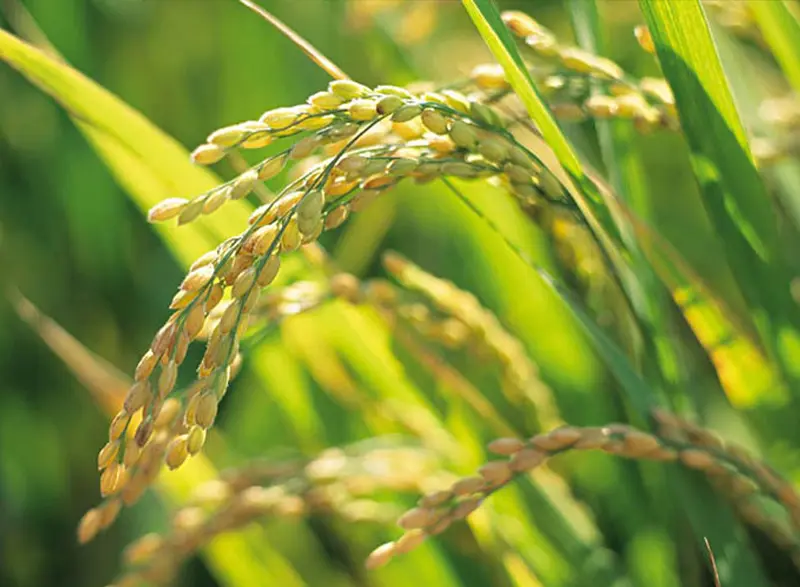
Broad-acre crop solutions built to enhance plant resistance.
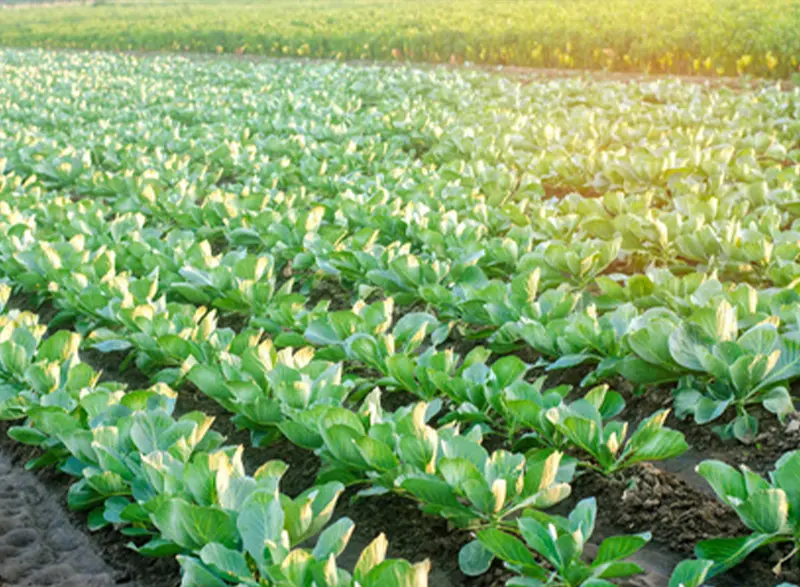
Greenhouse-oriented protection agents with low residual footprints.
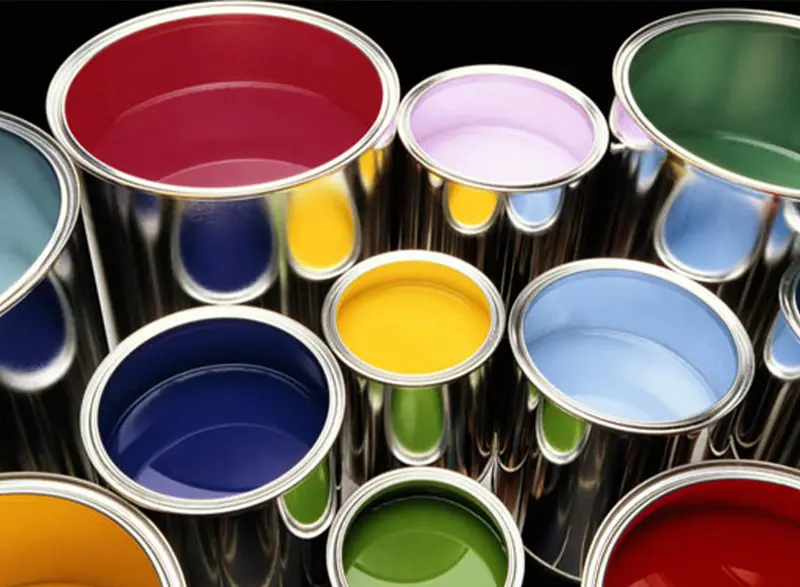
C5 and C9 petroleum resins to optimize paint adhesion and dry times.
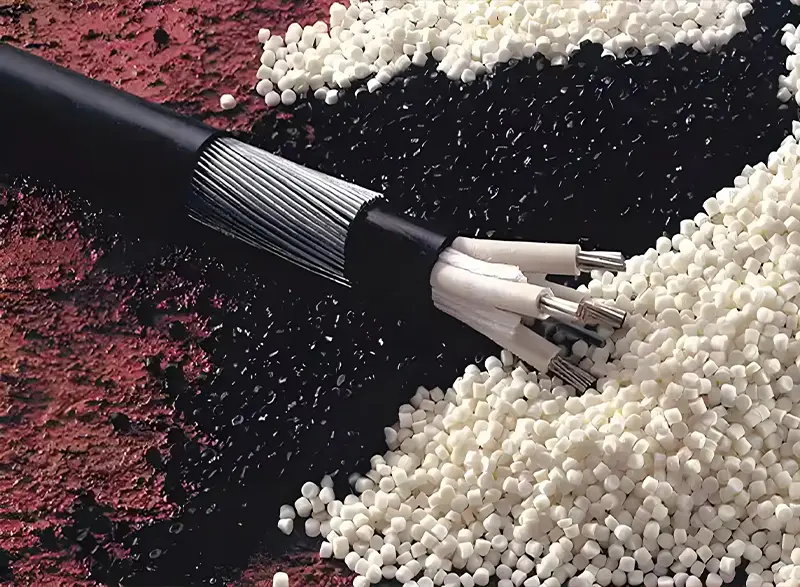
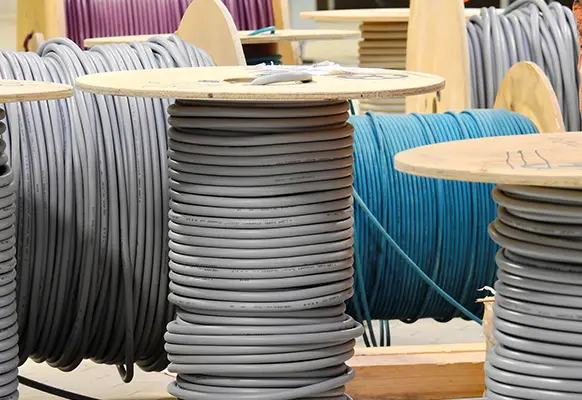
Silanes for XLPE power cables to improve heat and electrical resistance.
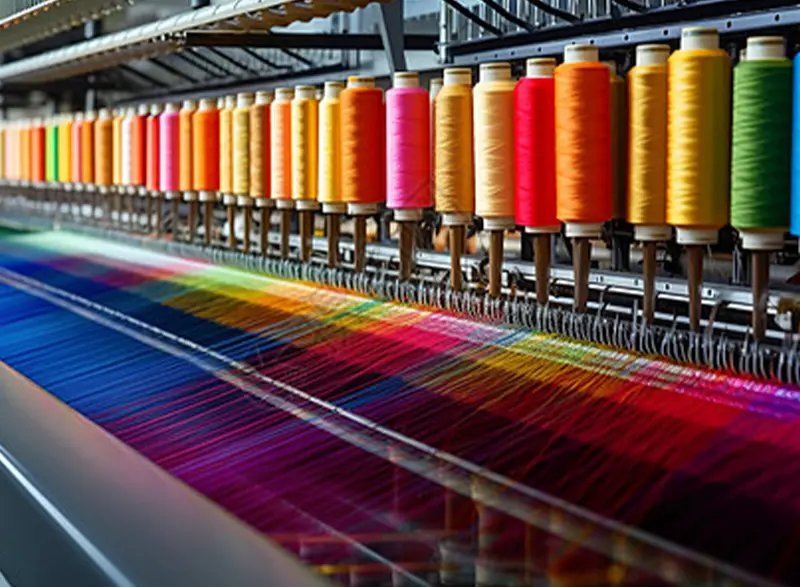
Emulsified silicone oils that provide softness and wash-durability.
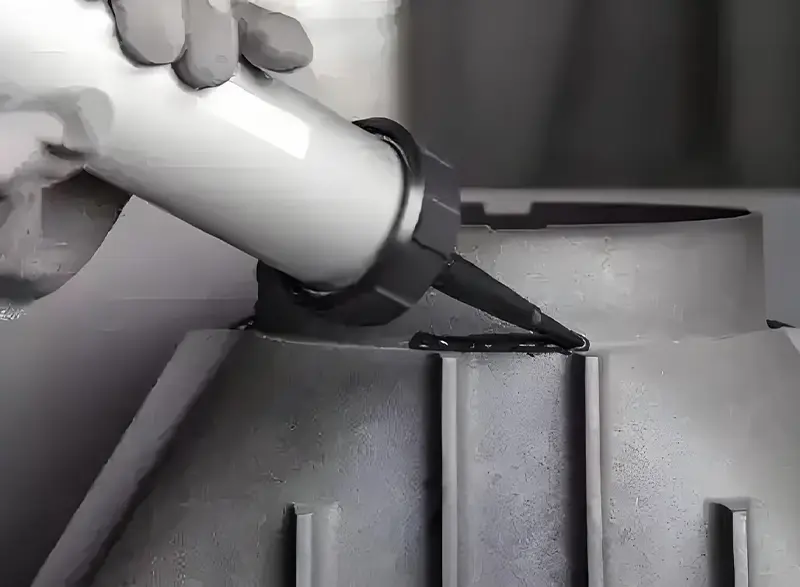
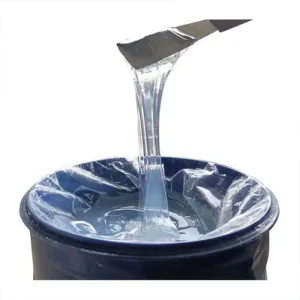
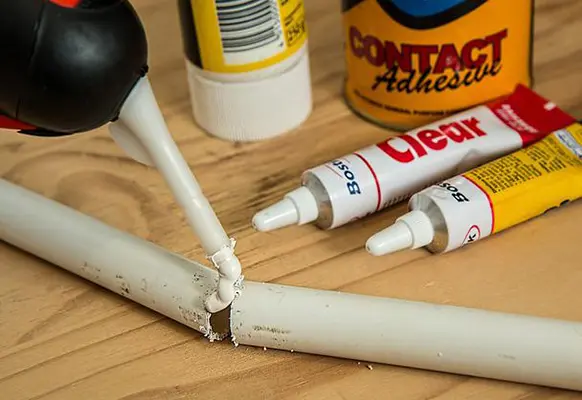
RTV sealants featuring excellent elasticity and weathering resistance.
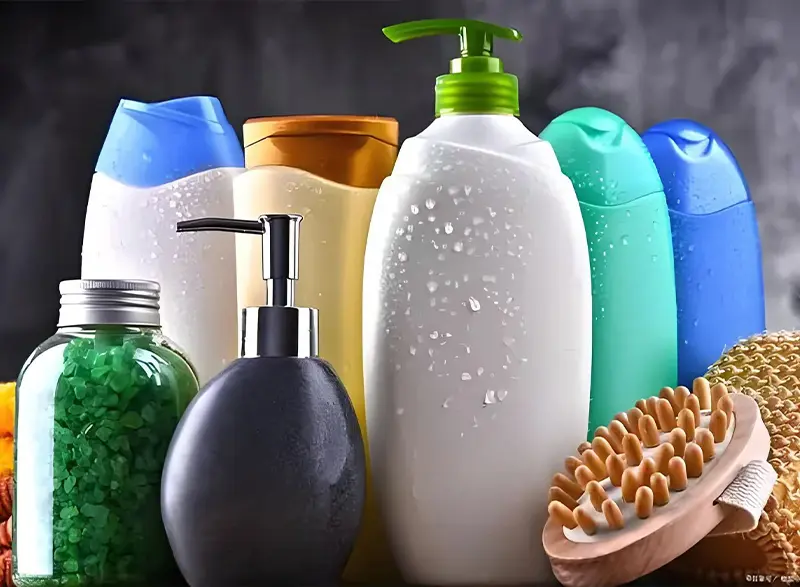
High-purity dimethicones for skin-care and hair-care formulations.
As global regulations tighten on volatile organic compounds (VOCs), the silane industry is shifting toward zero-VOC or water-borne alternatives. Boctok's R&D focus is centered on:
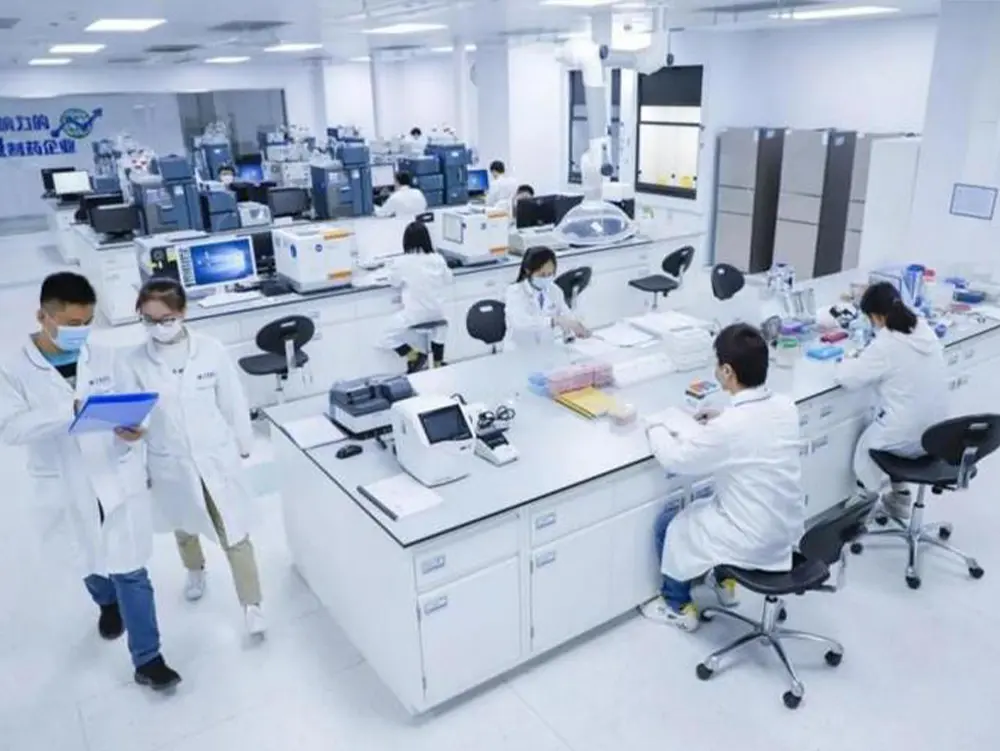
Industrial buyers face complex technical specifications. To ensure seamless processing, Boctok provides comprehensive analytical controls, including:
Navigating international chemical regulations requires reliable certification. Boctok maintains compliance protocols across key markets, providing:
With over a decade of chemical synthesis experience, our team assists buyers in selecting functional groups that match their specific resin systems—ensuring optimal bonding, thermal stability, and mechanical strength.
Explore how Boctok’s diverse materials perform under real-world industrial stresses.










Expert technical insights answering key procurement and chemistry questions from engineers worldwide.
Most cyloxy and alkoxy silanes are highly moisture-sensitive. Their standard shelf life ranges from 12 to 24 months when kept in their original unopened packaging at temperatures below 25°C. Exposure to atmospheric moisture initiates hydrolysis, converting alkoxy groups to silanols and leading to gelation. We recommend storing these products under a dry nitrogen blanket in steel or high-density fluorinated containers.
The choice depends entirely on the polymer matrix. Aminosilanes (e.g., CAS 3179-76-8 or CAS 13497-18-2) are ideal for epoxy, phenolic, and polyurethane resins because their primary or secondary amine groups react readily with epoxide, hydroxyl, or isocyanate groups. Conversely, methacryloxy silanes (e.g., CAS 2530-85-0) contain free-radical-reactive double bonds, making them suitable for unsaturated polyesters, acrylics, and vinyl ester matrices used in glass fiber composites and dental materials.
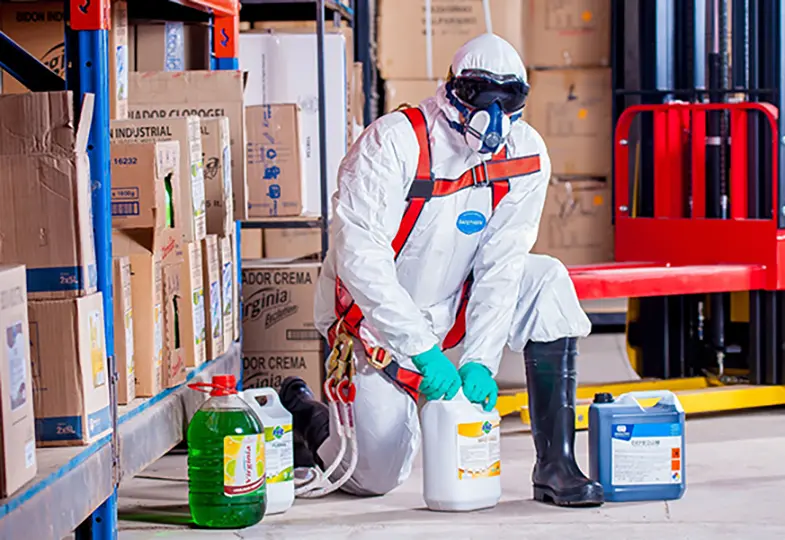
Certain organosilicon compounds, particularly chlorosilanes or low-flashpoint alkoxy silanes, are classified as hazardous goods. Boctok manages compliance through UN-certified packaging (including reinforced steel drums and specialized ISO tanks), complete GHS labelling, and safety documentation. Our logistics team coordinates with international carriers to ensure correct sea and land routing under IMDG and ADR regulations.
Yes. Dimethicones (CAS 9006-65-9) serve as non-reactive lubricants, offering smooth application and water-barrier properties. Silanol-terminated silicone polymers (CAS 70131-67-8) provide a silkier feel and act as active intermediates that can be emulsified or crosslinked in hair-care and skin-care formulas. They are often blended together to balance volatility, spreadability, and skin adhesion.
Hydrocarbon resins (C5, C9, and their hydrogenated variants) are primary tackifiers. Adding them to base polymers like EVA or SIS block copolymers modifies the glass transition temperature ($Tg$) and melt viscosity. C5 aliphatic resins are highly compatible with non-polar polymers, whereas C9 aromatic resins are preferred for polar elastomers. Hydrogenated C9 resins offer excellent thermal stability and UV resistance, preventing yellowing and degradation in packaging applications.
High-purity alkoxysilanes, silicates, and agricultural additives designed for strict industrial application specs.
 Boctok Chemical