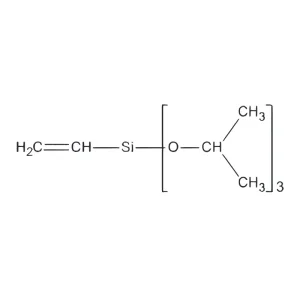
High-purity monomers, functional silanes, and industrial compounds manufactured to stringent ISO 9001:2015 quality standards.
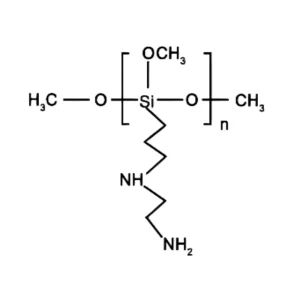
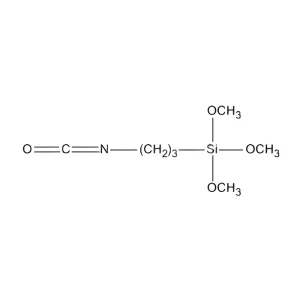
Amino functional silane coupling agents have revolutionized the interface chemistry of composite materials, adhesives, and sealants. Operating at the molecular boundary between organic polymers and inorganic substrates, these bifunctional molecules possess a dual reactivity that forms strong, durable covalent bonds across otherwise incompatible materials. The amino group (primary, secondary, or tertiary) exhibits high reactivity with polar organic resins like epoxies, polyurethanes, and acrylics, while the hydrolyzable alkoxy groups (methoxy or ethoxy) react with silicate, metal oxides, and concrete structures to form stable siloxane (Si-O-Si) networks.
By establishing this chemical bridge, amino silanes eliminate the reliance on physical interlocking, providing a molecular-level adhesive strength that resists hydrolytic degradation, thermal cycling, and mechanical stress. Formulators utilize these monomers as primary additives, glass fiber finishes, and surface primers to maximize the mechanical integrity of structural polymers in severe operational environments.
SEO Insight & Technical Gain: The integration of amino silanes like gamma-aminopropyltriethoxysilane and bis(trimethoxysilylpropyl)amine in industrial adhesives mitigates micro-crack propagation and moisture intrusion at the interface. This ensures long-term bond retention in automotive, wind energy, and electronics packaging where failure is not an option.
Modern industrial assembly lines are replacing mechanical fasteners (screws, rivets, welds) with structural adhesives to reduce total weight and enable the joining of dissimilar materials like carbon-fiber reinforced plastics (CFRP) to galvanized steel or aluminum. In wind energy applications, wind turbine blades exceeding 80 meters in length depend on structural epoxy-based adhesives optimized with amino silanes to transfer heavy aerodynamic loads reliably over a 25-year service life. Our targeted chemical solutions prevent bond degradation caused by rain erosion, extreme temperature fluctuations, and cyclic mechanical strain.
Furthermore, in the automotive sector, incorporating organofunctional silanes into glass runs, structural sealants, and under-hood electronics housing guarantees reliable adhesion under constant exposure to transmission fluids, moisture, and vibrational stress. By modifying the surface energy of substrates, Boctok's silane coupling agents ensure uniform wetting and optimal contact, accelerating production output and lowering adhesive scrap rates.
The global demand for high-end organosilicon coupling agents and crosslinkers is driven by the rapid growth of green building infrastructure, electric vehicle manufacturing, and renewable energy sectors. China has emerged as a key global hub for silane synthesis, providing robust upstream raw material supply chains and advanced processing capacities. Shandong Boctok Chemical Co., at the forefront of this industrial expansion, delivers top-tier silane monomers and customized polymer formulations globally.
We source raw materials through strategic integrations with domestic oil majors like SINOPEC and PetroChina to insulate our global clients from raw material volatility. Boctok maintains production and storage sites close to shipping hubs, ensuring consistent supply to Europe, North America, Southeast Asia, South America, and the Russian market under the established BOCTOK brand. This secure supply chain supports Fortune 500 manufacturing partners around the globe.

Founded in 2012, Shandong Boctok Chemical Co. operates as a major marketing, sales, and manufacturing center for Boctok™ domestic and overseas businesses, achieving sales of US$280 million in 2023. Our BOCTOK brand is highly recognized globally, with a particular specialization in serving the Russian market.
Boctok has structured its core operations into three main categories:
Ensuring supply stability, safety compliance, and low environmental impact across our global operations.

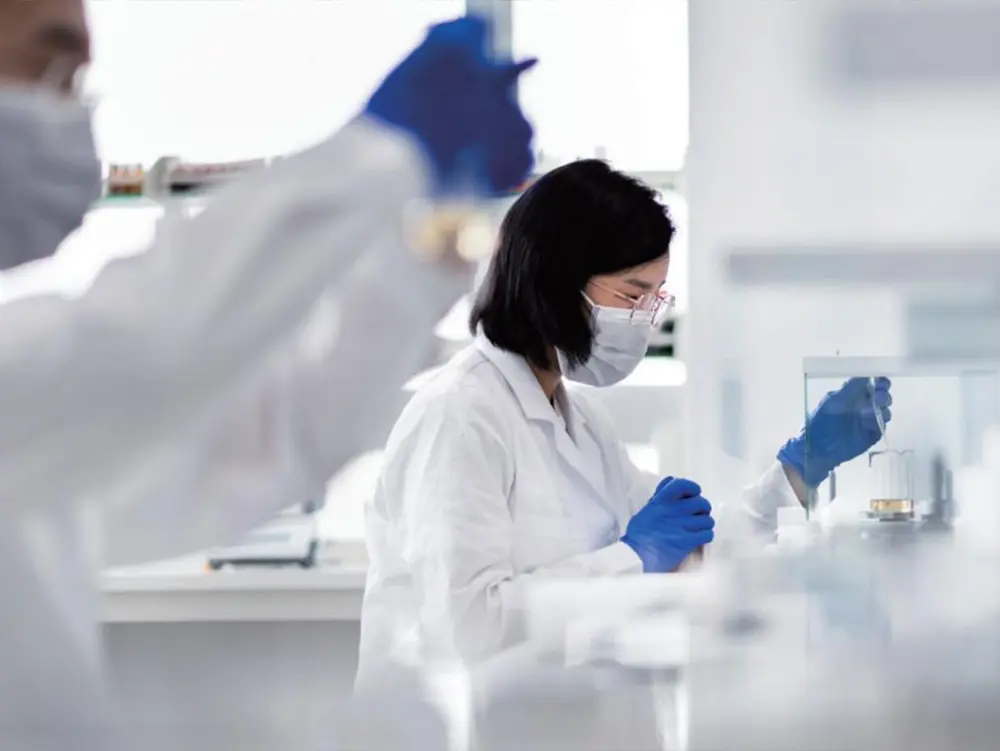
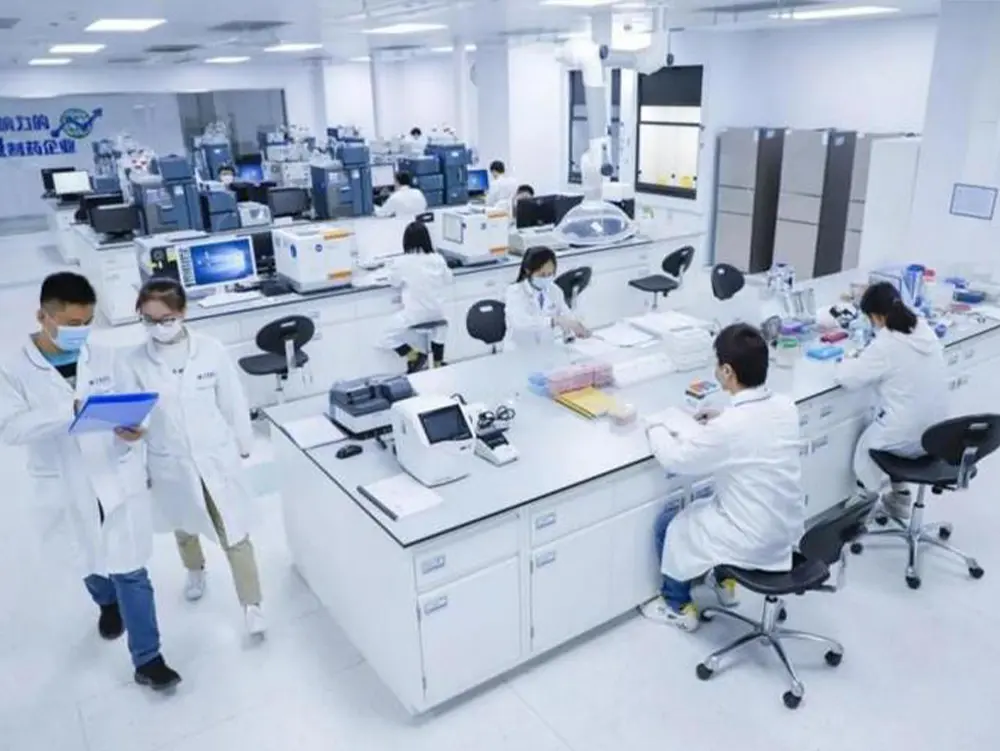
Our products undergo rigorous testing, utilizing gas chromatography (GC), mass spectrometry (MS), and gel permeation chromatography (GPC) to ensure that every aspect meets the highest quality standards.

Our advanced automatic DCS/SIS systems allow us to effectively expand production capacity and meet the demand for mass customization on short lead times.

Our professional, multilingual technical service team is available 24/7 online to provide prompt, attentive technical support and formulation troubleshooting.

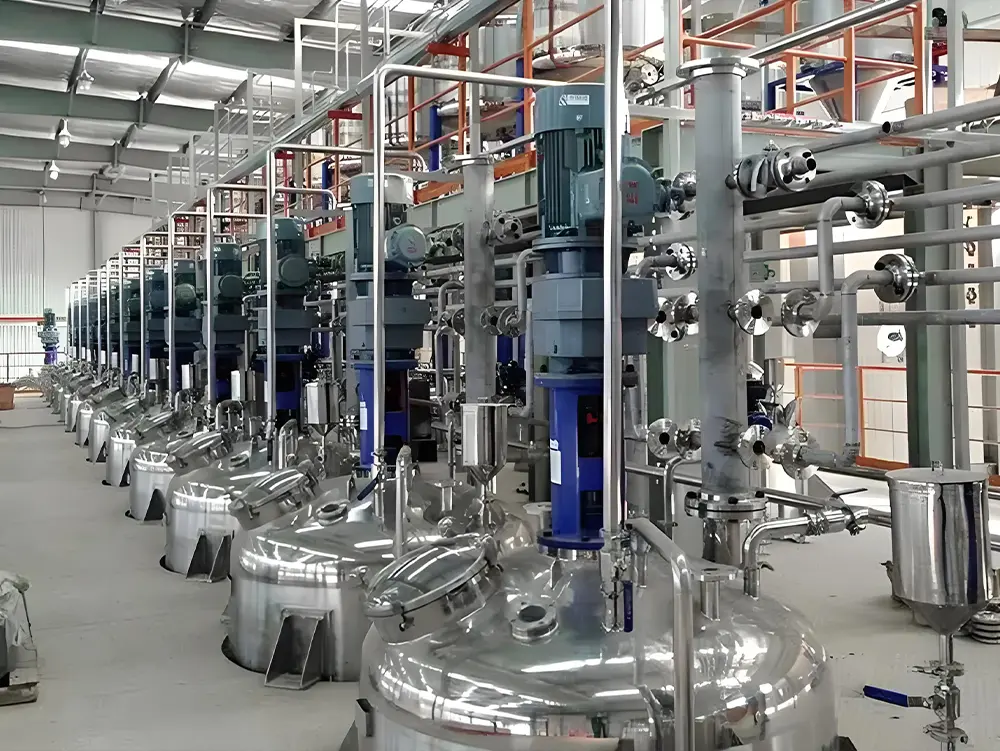
An optimized logistics system ensures fast order processing and timely delivery to customers. Backed by our $65M investment in Bohai Industrial Park (Shouguang City, Shandong Province), we run 6 automatic DCS production lines with an annual output of 30,000 tons of silane coupling agents, incorporating state-of-the-art waste gas and wastewater treatment facilities to align with strict ecological regulations.
Our materials support complex applications in advanced fields from polymer modification to heavy industrial protection.




Navigating chemical regulatory frameworks is essential for supplying global markets. Shandong Boctok Chemical Co. ensures that all exported silane coupling agents and resins meet regional standards, including EU REACH registration, US TSCA compliance, and Eurasian GHS requirements. Our labeling and SDS sheets are translated and formatted to local requirements, preventing customs delays and ensuring seamless handling within end-user storage facilities.
Our localized support structure is designed for swift resolution of formulation adjustments. If an adhesive manufacturer in Russia requires customization of an amino silane formulation to improve moisture resistance on glass, our Russian market division (BOCTOK brand) provides localized technical assistance, raw material samples, and customized blending options. By adjusting the hydrolysis rate or modifying the molecular chain length, we optimize the processing characteristics and properties of the final adhesive.
To demonstrate the real-world value of our silane technology, let us examine two primary applications where Boctok's raw materials have improved performance:
Explore the full breadth of our industrial chemical integration. Every application listed represents a dedicated product family within the Boctok chemical catalog, linking organosilicon modifications directly to performance properties:
Synthesizing active components and agricultural intermediates that stabilize plant protectants and therapeutic agents.

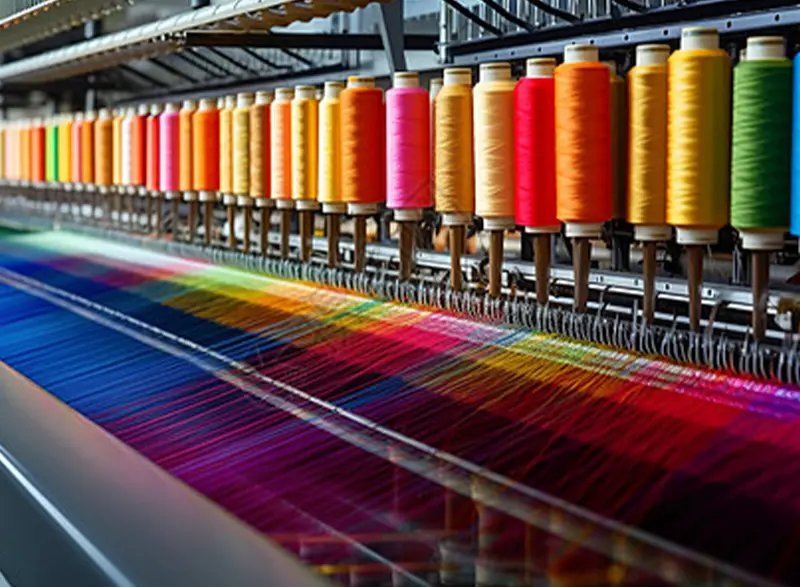
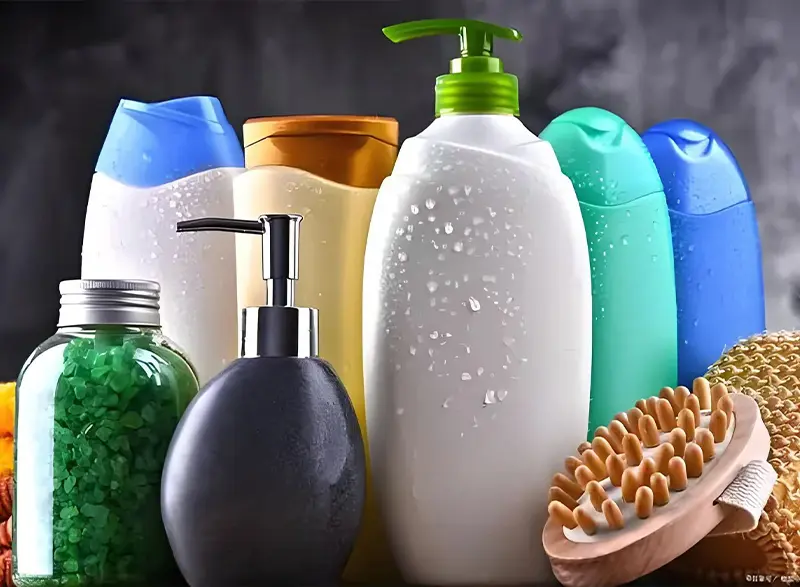
Utilizing high-purity silicon oils, volatile siloxanes, and custom hydrocarbon resins for soft texture and water resistance.
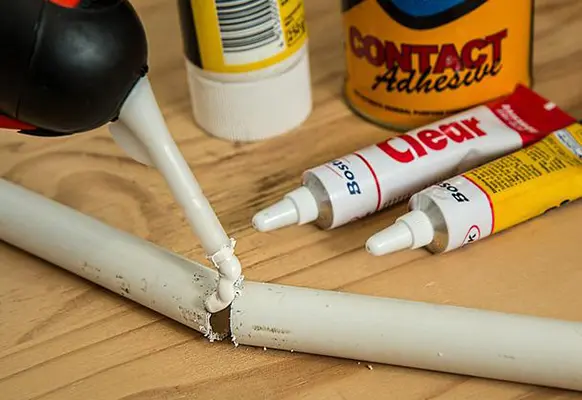
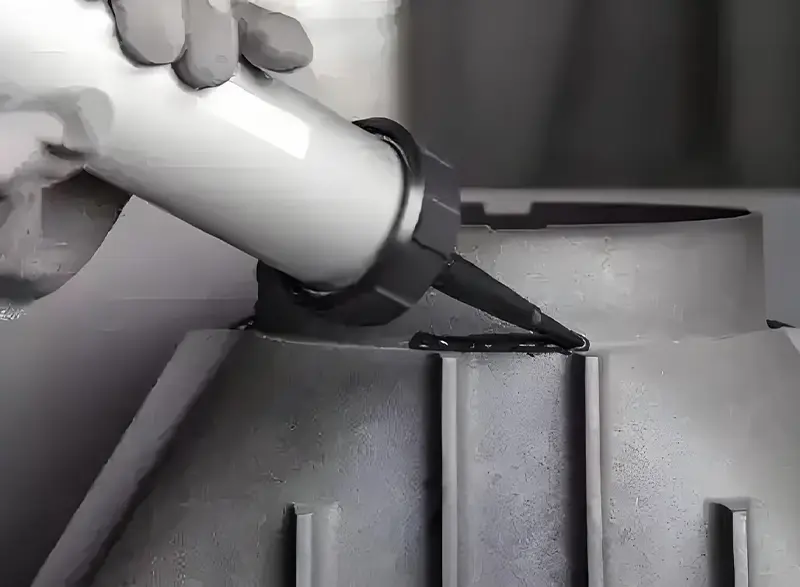
Formulating petroleum resins and functional silanes to improve adhesion strength on metal and plastic surfaces.
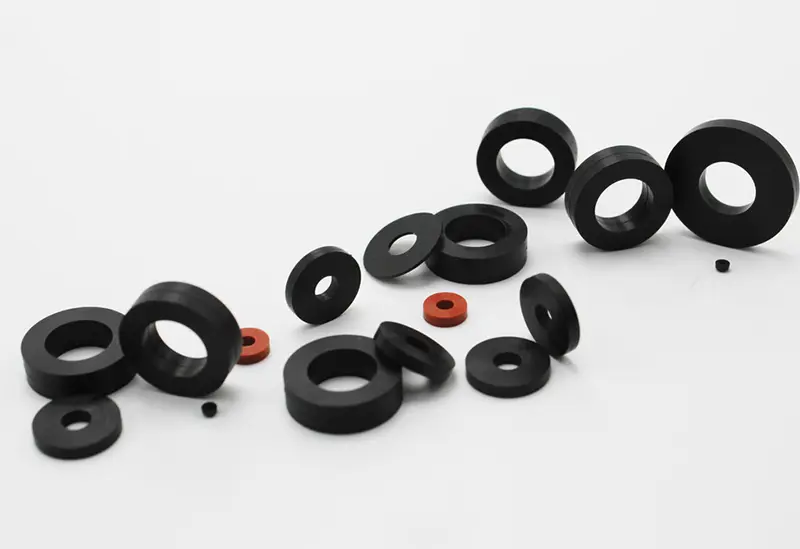
Applying organosilicon rubbers and crosslinking agents for high-temperature resistance and elastic performance.
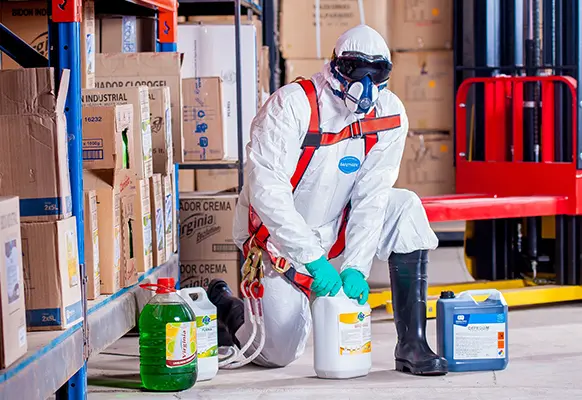
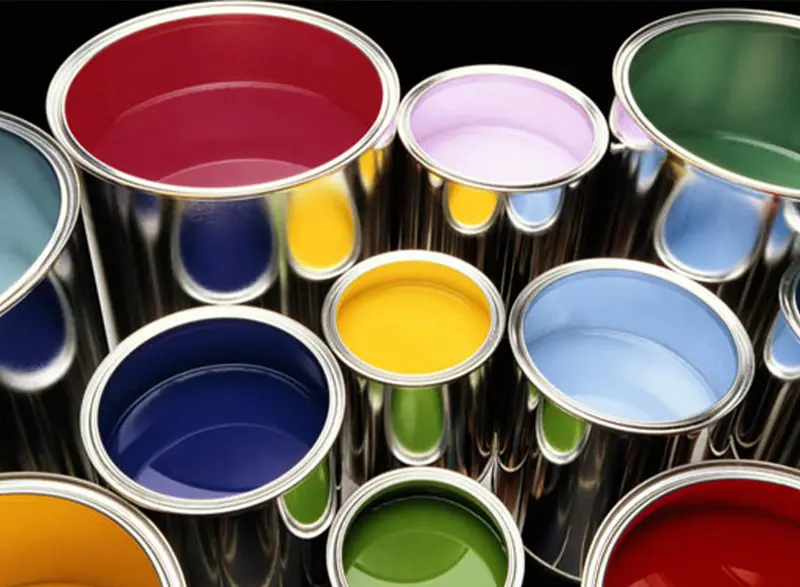
Enhancing weatherability, pigment dispersion, and chemical resistance of architectural and marine finishes.
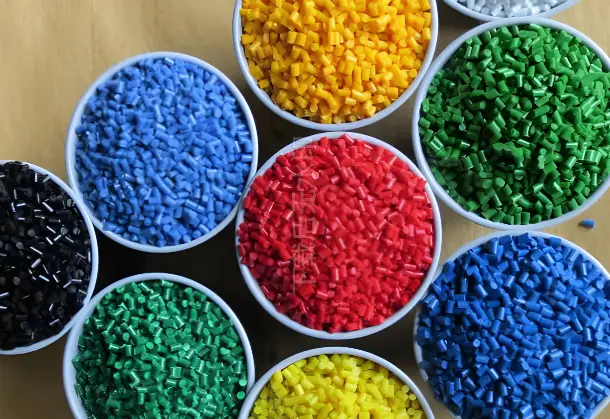
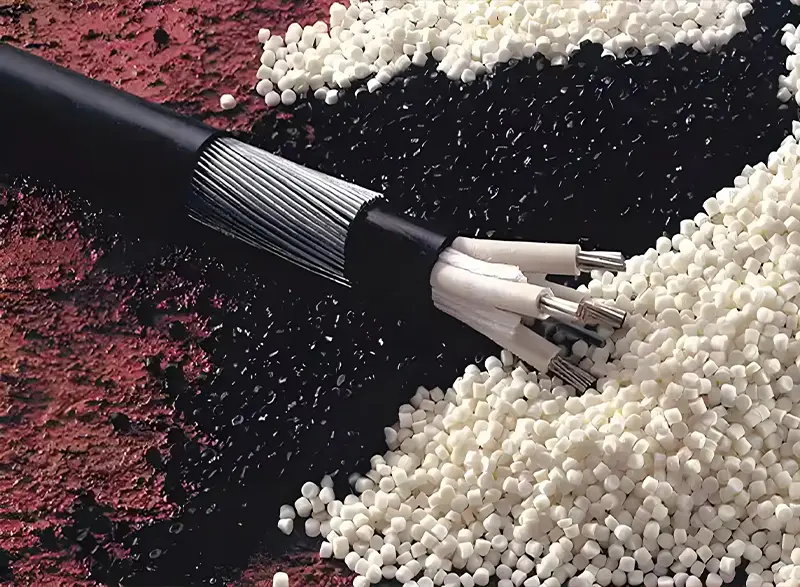
Coupling agent modifiers that allow thermoplastic composites to take higher load levels of inorganic mineral fillers.
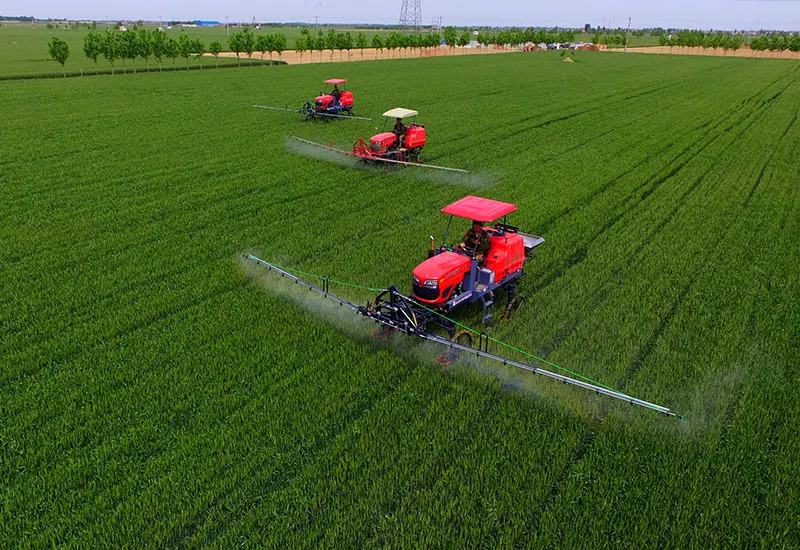
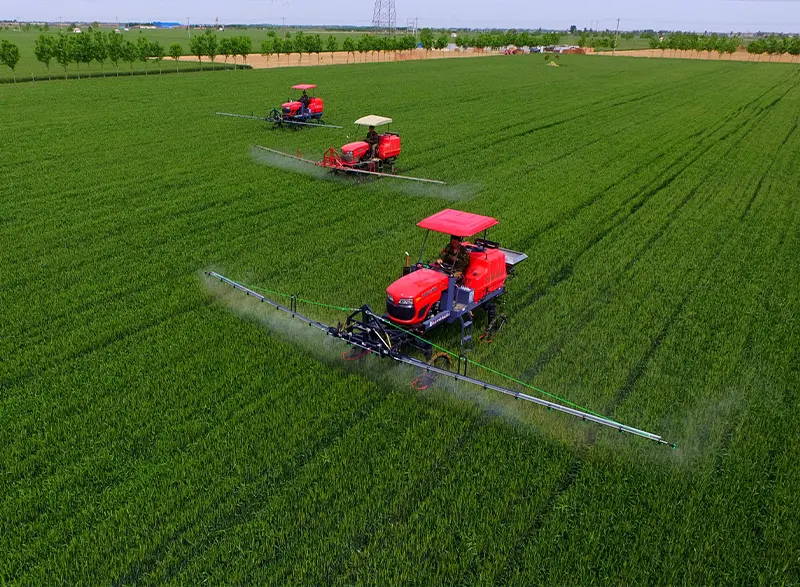
Providing active intermediates and formulation surfactants that ensure proper wetting on plant leaves.
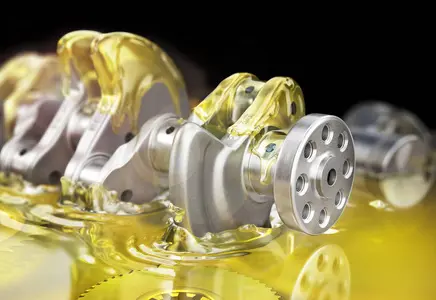
Formulating Liquid Silicone Rubber systems with built-in lubrication parameters for high-precision components.
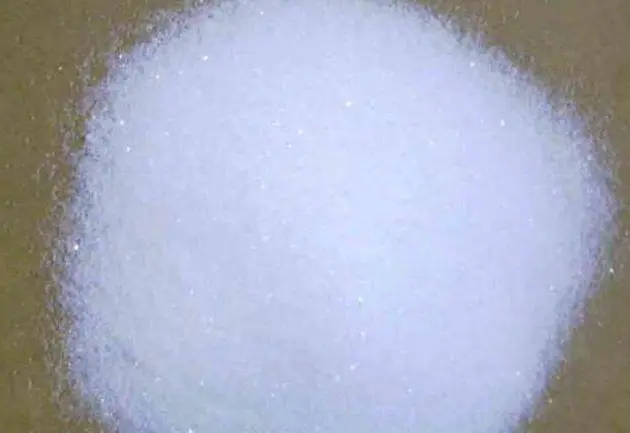
Silicon emulsions that break down surface foam in agricultural sprays and industrial processing liquids.

Injecting hydrophobic silicones that prevent water absorption and structural rotting in dry gypsum board assemblies.
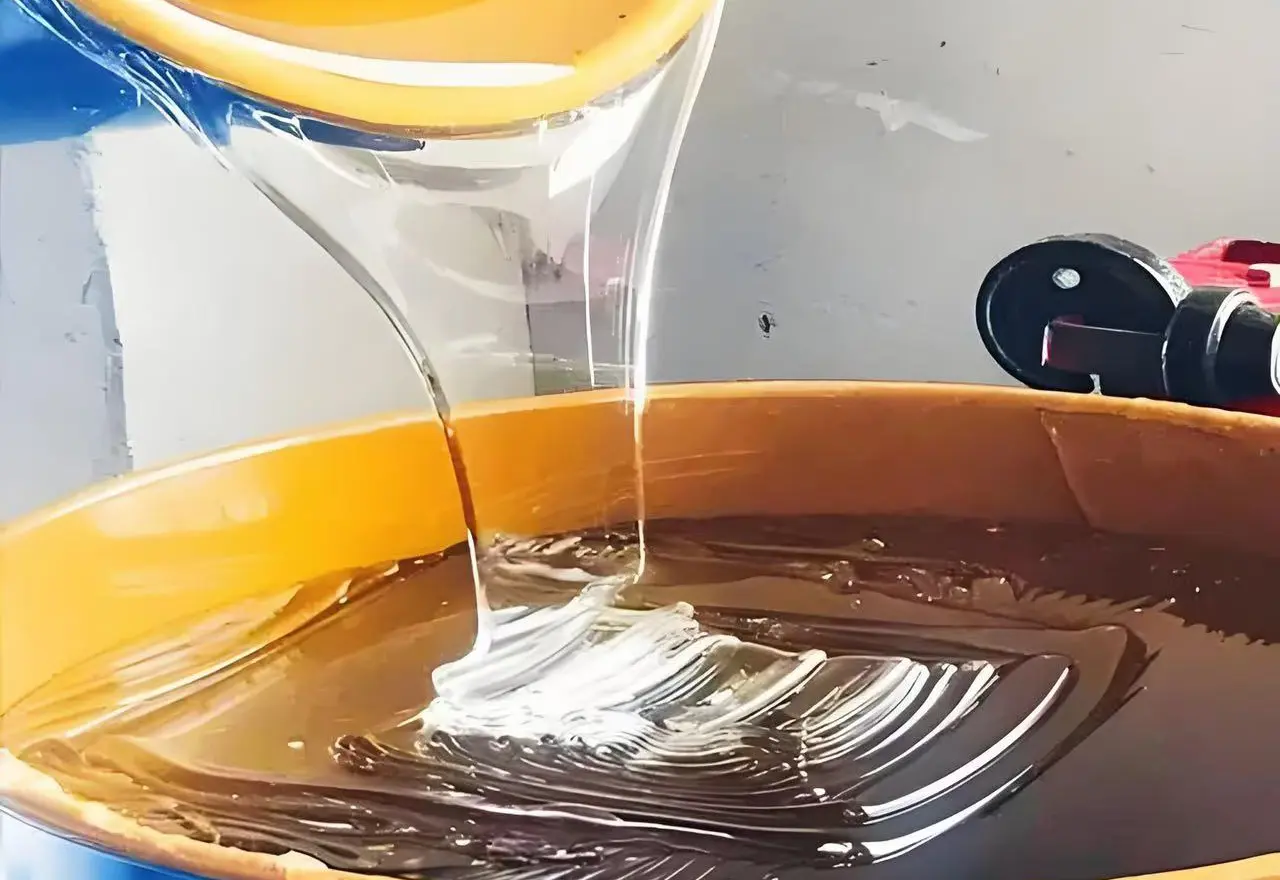
Providing high-temperature stability, low chemical volatility, and electrical insulation properties.

Adhesive additives that stand up to saline environments, wind shear, fuel exposures, and temperature changes.
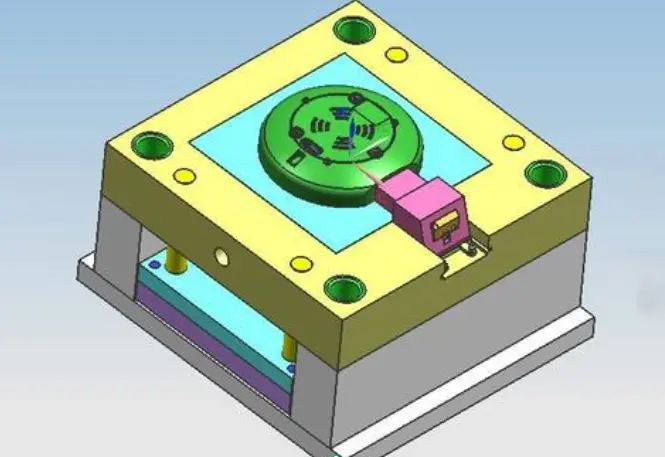
Supplying mold-release agents and room-temperature vulcanizing (RTV) rubbers for structural reproduction mold designs.

Thermal compounds, silicone coatings, and structural bonding resins protecting circuitry from high currents and heat.

Providing weatherproofing sealants, concrete waterproofing coatings, and structural structural glass glazing.
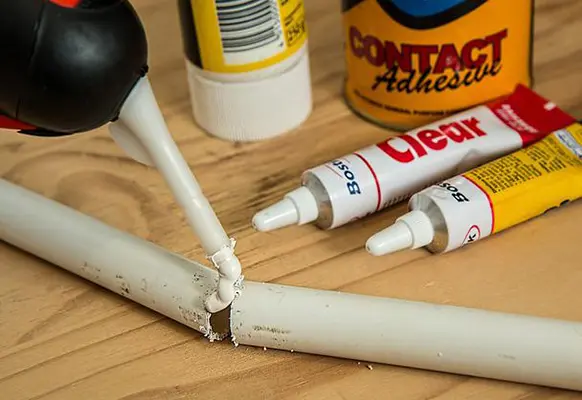
Maximizing structural adhesion on concrete, glass, stone, and composite materials against thermal expansion stresses.
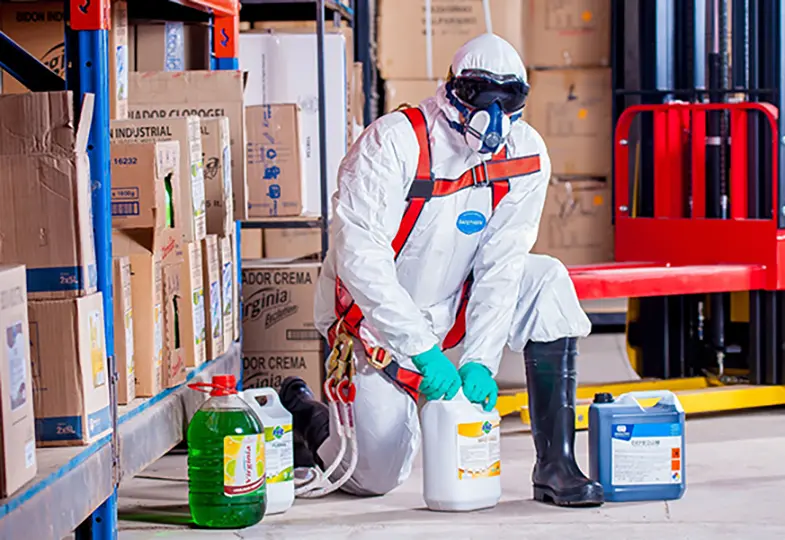
Increasing crosslinking density within organic solvents to yield high chemical resilience and scratch protection.

Providing anti-corrosion silane layers that act as chromium-free pre-treatments on steel and aluminum.
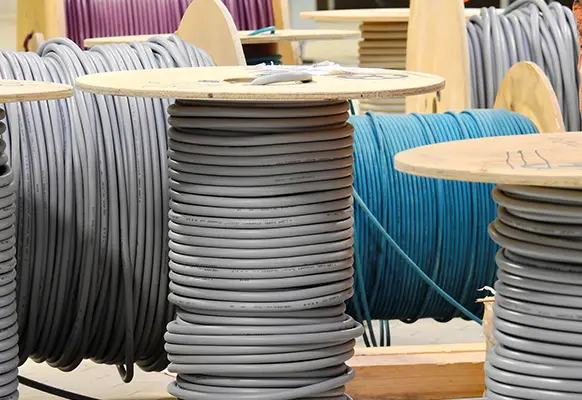
Silane-mediated polymer crosslinking agents for power distribution infrastructure under persistent electrical stress.
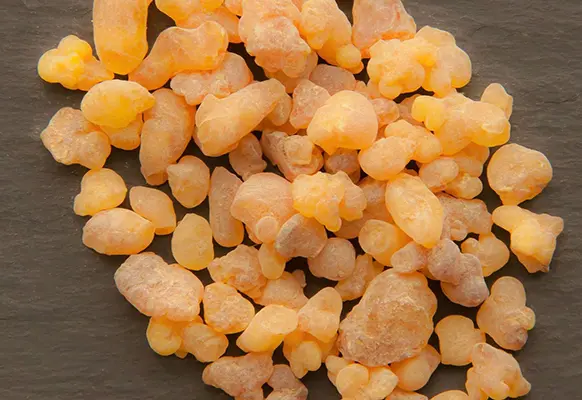
Modifying polymers during synthetic reaction stages to introduce high mechanical stability and elasticity.

Improving concrete and brick resistance against freeze-thaw cracking and efflorescence.

Optimizing structural bonding agents for high-reliability joints in extreme weather conditions.
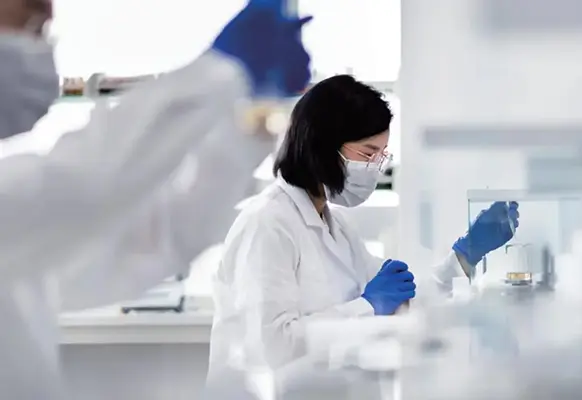
Functionalizing surfaces for diagnostic sensors, catheters, and biocompatible medical adhesives.

Delivering soft hand feel, water resistance, and high durability through advanced silicone emulsions.

Pre-treating calcium carbonate, silica, and clay fillers to reduce viscosity and improve compounding properties.
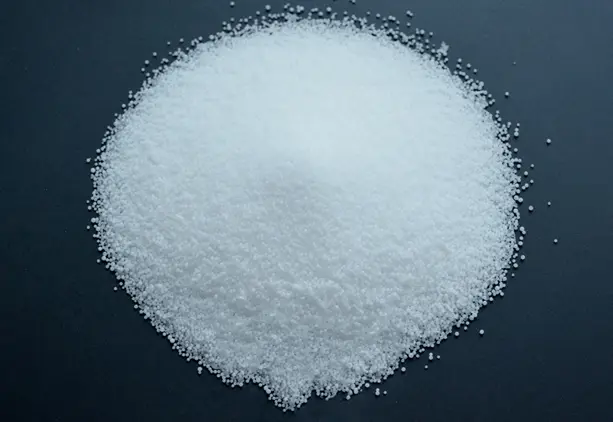
Advanced micro-structured silicones for precision industrial damping and high-performance sealing systems.
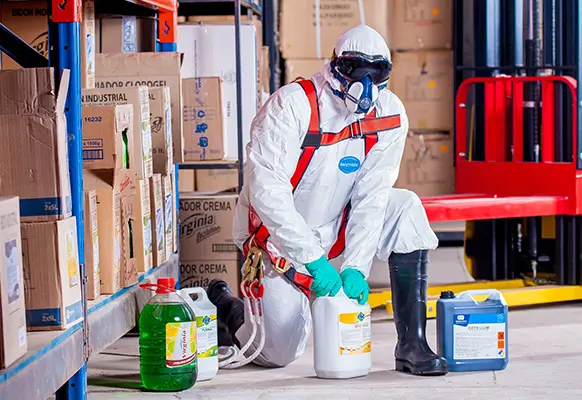
High-solids silicone-modified protective paints that resist corrosion, chemical attack, and high temperatures.
The organosilicon industry is shifting toward green chemistry and clean manufacturing processes. Future developments focus on minimizing volatile organic compound (VOC) emissions by substituting methoxy-based silanes with ethoxy-based alternatives, which release ethanol rather than toxic methanol during hydrolysis. Our research and development center is actively engineering water-borne silane coupling agents that display long-term hydrolytic stability in aqueous solutions, eliminating organic solvents from the priming stages.
Additionally, we are developing oligomeric and polymeric silanes. These molecules contain multiple functional groups, providing more bonding opportunities per molecule and improving wet-adhesion performance. The combination of sustainable manufacturing processes and bio-based hydrocarbon resins ensures that Boctok remains a key partner for global industries striving to meet strict carbon neutrality goals.
Professional explanations regarding the selection, application, and storage of amino silane coupling agents.
Additional functional additives, active ingredients, and synthetic petroleum resins for global formulations.
 Boctok Chemical