Why Choose Propyltriethoxysilane for Industrial Use?

Time:2026-11-10 Author:Amelia
0%

In industrial production, a small surface-treatment choice can affect how a filler disperses, how a coating adheres, or how a composite handles moisture. Propyltriethoxysilane is an organosilane used to modify compatible mineral and other inorganic surfaces. Its ethoxy groups can hydrolyze in the presence of water, while its propyl group provides an organic-facing part of the molecule. The result depends on the substrate, formulation, and processing conditions. It is not a universal fix.

Why consider it for industrial use? Its relatively simple propyl structure may suit applications where a modest change in surface compatibility is preferred over a more specialized functional group. In practice, formulators may assess it with silica, mineral fillers, coatings, or composite systems. Small trial batches can reveal practical issues: uneven wetting, changes in viscosity, or inconsistent adhesion. Details matter.

This introduction examines the reasons manufacturers may select Propyltriethoxysilane, along with its potential uses, handling considerations, and limits. Reliable selection requires checking current supplier documentation and testing the silane in the intended process. Moisture level, treatment method, cure conditions, and storage can all influence results. One point deserves caution: reported performance in one formulation may not transfer to another. That can be frustrating, but it is why measured trials and clear acceptance criteria matter more than broad promises.
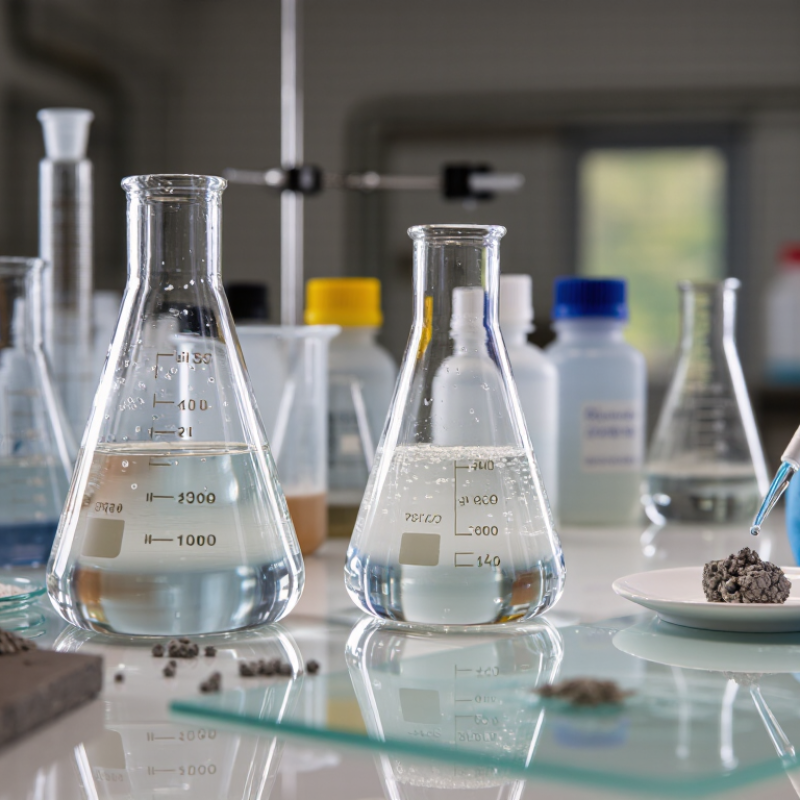
Why Choose Propyltriethoxysilane for Industrial Use?

Chemical Structure and Core Characteristics of Propyltriethoxysilane

Propyltriethoxysilane contains a silicon atom bonded to one propyl group and three ethoxy groups. Its structural formula is CH3CH2CH2Si(OC2H5)3. The propyl end is relatively nonpolar; the ethoxy groups react with moisture. This combination shapes its industrial behavior. The molecule is small, yet it can help link organic materials with hydroxyl-rich mineral surfaces.

When water is present, the ethoxy groups hydrolyze into silanol groups, releasing ethanol. Those silanols can bond with surface hydroxyls or condense with one another to form siloxane linkages. Conditions matter. Moisture, pH, temperature, and surface cleanliness affect reaction speed and coating uniformity. Excess water may trigger premature condensation, while insufficient water can limit hydrolysis. The propyl-bearing layer may reduce wettability and improve compatibility with some organic formulations. Results vary.

A clean glass panel and a dusty mineral powder will not behave alike. A bench test can look promising and still mislead if it does not reflect production conditions. Not always evenly. For reliable evaluation, compare treated and untreated samples, then check adhesion, water resistance, and surface appearance after curing. Handle and store the material according to its safety data and process requirements.

How Propyltriethoxysilane Bonds with Industrial Materials

Propyltriethoxysilane can connect an inorganic surface to an organic material through a molecular bridge. Its ethoxy groups react with moisture and form silanol groups. These can condense with hydroxyl groups on oxide-rich surfaces, such as glass, silica, and many metal oxides. The resulting Si–O–surface bonds anchor the molecule. Not glue in the usual sense.

The propyl group points away from the treated surface. It can make that interface more compatible with some organic coatings, polymers, or resin systems. For example, silica particles in a coating may disperse or adhere differently after treatment. Results depend on the full formulation, though; the silane alone cannot fix poor mixing or an unsuitable resin. Small details matter.

Application conditions shape the bond. A dusty surface, excess moisture, or uneven drying can encourage weak, irregular layers instead of a useful interface. It sounds simple. It isn’t always. In practice, test a small sample and compare adhesion or water behavior against an untreated control. Cure conditions should also suit the substrate and the rest of the process. A contact-angle change can be informative, but it does not prove strong bonding by itself.

Why Choose Propyltriethoxysilane for Industrial Use?

How Propyltriethoxysilane Bonds with Industrial Materials

In ideal complete hydrolysis, one mole of propyltriethoxysilane consumes three moles of water and forms three moles each of silanol groups and ethanol. The silanol groups can condense with hydroxylated material surfaces to form Si–O–material bonds. Actual bonding depends on the surface chemistry and processing conditions.

Performance Benefits in Manufacturing and Surface Treatment

Why Choose Propyltriethoxysilane for Industrial Use?

Performance Benefits in Manufacturing and Surface Treatment

Propyltriethoxysilane can help manufacturers improve surface wetting, water resistance, and adhesion. Its ethoxy groups hydrolyze in the presence of moisture, forming silanol groups that can bond with suitable mineral surfaces. The propyl group faces outward, helping reduce surface affinity for water. This can be useful on treated glass, mineral fillers, and masonry. Results depend on the substrate and process conditions. A damp concrete panel and a dry filler powder will not respond identically.

In manufacturing, consistent surface treatment can help coatings and composites perform more reliably. NACE International’s 2016 IMPACT study estimated corrosion costs at US$2.5 trillion annually, or 3.4% of global GDP; it also reported that effective corrosion management could save 15–35% of those costs. That figure covers many control methods, not this silane alone. It offers context, not a product-performance guarantee. Excess moisture, poor dispersion, or incomplete curing may weaken results. A small pilot batch is worth the extra time.

Tips: Check substrate moisture, document dosage, and test adhesion after curing. Record failures too; they often reveal process limits.

Key Industrial Applications Across Different Sectors

Propyltriethoxysilane serves construction, coatings, and polymer processing. Its ethoxy groups hydrolyze in moisture, allowing silane bonds to form on mineral surfaces. The propyl group helps make treated surfaces less receptive to water. In concrete and masonry, this chemistry supports water-repellent treatments while preserving a natural-looking surface. Application depth and performance depend on substrate porosity, moisture, and preparation. Small details matter.

The scale is substantial. The USGS Mineral Commodity Summaries 2024 estimated global cement production at 4.1 billion metric tons in 2023. That figure is not a measure of silane demand, but it illustrates the size of the mineral-based construction sector. Silane treatments can also be used on mineral fillers in plastics, adhesives, and coatings, helping improve compatibility between inorganic particles and organic binders. In composites, surface treatment may support more reliable bonding between fibers or fillers and polymer matrices.

Industrial coatings and sealants are another practical setting, especially where moisture exposure challenges adhesion. The 2023 Global Status Report for Buildings and Construction reported that buildings and construction accounted for 37% of energy and process-related carbon emissions in 2022. That context raises the value of durable materials, but it does not prove that one additive reduces emissions. Formulators still need to test compatibility, dosage, curing conditions, and long-term exposure; results can vary across substrates.

Why Choose Propyltriethoxysilane for Industrial Use? — Key Industrial Applications Across Different Sectors

Industrial Sector Typical Application Role of Propyltriethoxysilane Potential Industrial Benefit Important Considerations
Plastics and composites Surface treatment of silica, silicate, and other hydroxylated mineral fillers before incorporation into polymer formulations. After hydrolysis, its silanol groups can condense with suitable mineral surfaces; the propyl group presents an organic-facing surface. May improve filler wetting and compatibility in selected formulations, supporting more consistent dispersion. Performance depends on the mineral, polymer, treatment level, moisture, and processing conditions. Validate in the intended formulation.
Rubber and elastomers Modification of mineral reinforcing or functional fillers used in rubber compounds. Can modify the surface of compatible inorganic fillers and influence interactions between the filler and the surrounding compound. May help tailor filler dispersion and compound properties when matched to the formulation. It is not a universal replacement for purpose-designed coupling systems; evaluate cure behavior and end-product properties.
Coatings and surface treatments Modification of compatible glass or mineral surfaces and use in selected moisture-management formulations. Can form siloxane bonds with suitably hydroxylated surfaces after hydrolysis and condensation. May increase surface hydrophobicity and help adjust surface compatibility or wetting. Surface preparation, water availability, application method, and cure conditions affect the result. Test adhesion and durability.
Construction materials Surface modification of mineral powders or compatible masonry-related substrates in formulated treatments. Its hydrolysable ethoxy groups enable reaction with suitable inorganic surfaces; the propyl group contributes a nonpolar organic portion. May be useful where reduced surface wetting or improved compatibility with organic components is desired. Suitability varies by substrate and formulation. Confirm penetration, appearance, vapor behavior, and weathering performance.
Adhesives and sealants Use as a surface-treatment or formulation component where interaction with mineral fillers or glass is required. Can modify compatible inorganic interfaces and influence how those surfaces interact with an organic formulation. Offers a way to tune interfacial properties in selected systems. Adhesion depends on the complete formulation and substrate. Assess bond strength and durability under intended service conditions.
Industrial mineral processing Functionalization of silica and other suitable mineral powders for downstream use in organic materials. Provides a route to change mineral-surface characteristics through hydrolysis and subsequent condensation. Can support application-specific control of powder wetting, handling, or compatibility. Moisture control, treatment uniformity, and powder handling are important for reproducible results.

Selection and handling: Propyltriethoxysilane is an organosilane, not a universal performance additive. Its suitability should be confirmed through formulation and substrate testing. Hydrolysis can release ethanol; consult the current safety data sheet and use appropriate ventilation, storage, and handling procedures.

Handling, Compatibility, and Selection Considerations

Propyltriethoxysilane is easier to handle when moisture exposure is controlled. Store it in a tightly closed container, following the supplier’s safety data sheet and recommended conditions. Use suitable gloves and eye protection, and provide good ventilation during transfer. Hydrolysis can release ethanol, so avoid breathing vapors and keep the work area controlled. Keep it sealed. Before opening, check for damaged packaging or signs of contamination.

Compatibility depends on the substrate, solvent, water content, and processing conditions. A dry mineral surface may respond differently from a coated or polymer-rich surface. Check how the silane behaves in the intended formulation, including whether it turns cloudy, separates, or thickens. Test before scale-up. A clear mixture is not proof of good performance; adhesion or water resistance may change after curing. Selection should reflect the actual job: surface treatment, formulation additive, or coupling agent. Compare purity, handling requirements, and expected reaction conditions. It is tempting to choose by price alone, but that can miss the cost of inconsistent results. Small trials help, though they cannot fully reproduce production conditions.

FAQS

What is propyltriethoxysilane?

It contains one silicon atom, one propyl group, and three ethoxy groups. Its formula is CH3CH2CH2Si(OC2H5)3.

How does it react with moisture?

Its ethoxy groups hydrolyze into silanol groups and release ethanol. The silanols may bond with mineral surfaces or form siloxane linkages.

What surfaces may benefit from treatment?

Suitable glass, mineral fillers, and masonry may benefit. A clean glass panel and dusty mineral powder can respond differently.

What performance improvements can it support?

It may improve adhesion, water resistance, and compatibility with some organic formulations. Results depend on the surface and process.

Does it make surfaces fully water-repellent?

Not necessarily. The propyl-bearing layer may reduce water affinity, but performance varies with application and curing conditions.

Which process conditions affect treatment quality?

Moisture, pH, temperature, surface cleanliness, and dispersion all matter. Too much water can cause early condensation; too little can limit hydrolysis.

How should manufacturers evaluate performance?

Compare treated and untreated samples. After curing, check adhesion, water resistance, and surface appearance under realistic production conditions.

What should a pilot test record?

Record substrate moisture, dosage, curing conditions, and failures. A promising bench result can still mislead.

How should the material be handled and stored?

Follow its safety data and process requirements. Small process details matter.

Conclusion

Propyltriethoxysilane is an organosilane coupling agent valued in industrial applications for its ability to connect inorganic surfaces with organic materials. Its molecular structure combines a hydrolyzable triethoxy group with a propyl chain. In the presence of moisture, the ethoxy groups can form reactive silanol groups that bond with suitable mineral or metal-oxide surfaces, while the propyl portion can interact with compatible organic coatings, polymers, or resins. This dual affinity can improve interfacial adhesion and help create more durable surface treatments.

These characteristics make Propyltriethoxysilane useful in areas such as coatings, adhesives, composite materials, sealants, and mineral-filled products. Depending on the formulation and processing conditions, it may support better moisture resistance, surface compatibility, and mechanical performance. Effective use requires attention to substrate type, moisture levels, dosage, dispersion, and compatibility with other ingredients. Proper storage and careful handling also help preserve product quality and achieve consistent results.

Amelia

Amelia

Amelia is a seasoned marketing professional with a wealth of expertise in our company’s core offerings. With an unwavering passion for driving growth and innovation, she plays a pivotal role in shaping our marketing strategies and enhancing brand visibility. A key aspect of her responsibilities......