Choosing the right Epoxy Silane for your projects can be daunting. With a myriad of options available, making an informed decision is crucial. As Dr. Jane Thompson, a leading expert in polymer chemistry, emphasizes, “The right epoxy silane can significantly enhance the durability of your coatings.” This highlights the importance of understanding the product’s characteristics.
Epoxy Silane plays a vital role in various applications, from construction to automotive industries. Understanding the specific project requirements is essential. Are you working with concrete or metal? The choice of Epoxy Silane will impact the bond strength and overall performance. Consider the environmental conditions too. Products differ in their resistance to moisture and temperature fluctuations.
While there are many quality options, not all Epoxy Silanes are equal. Some may underperform if misapplied. Reflect on previous projects. What went well? What didn’t? Gathering feedback can be invaluable. Ultimately, the right choice can lead to substantial improvements in your work, making this decision one that warrants careful consideration.
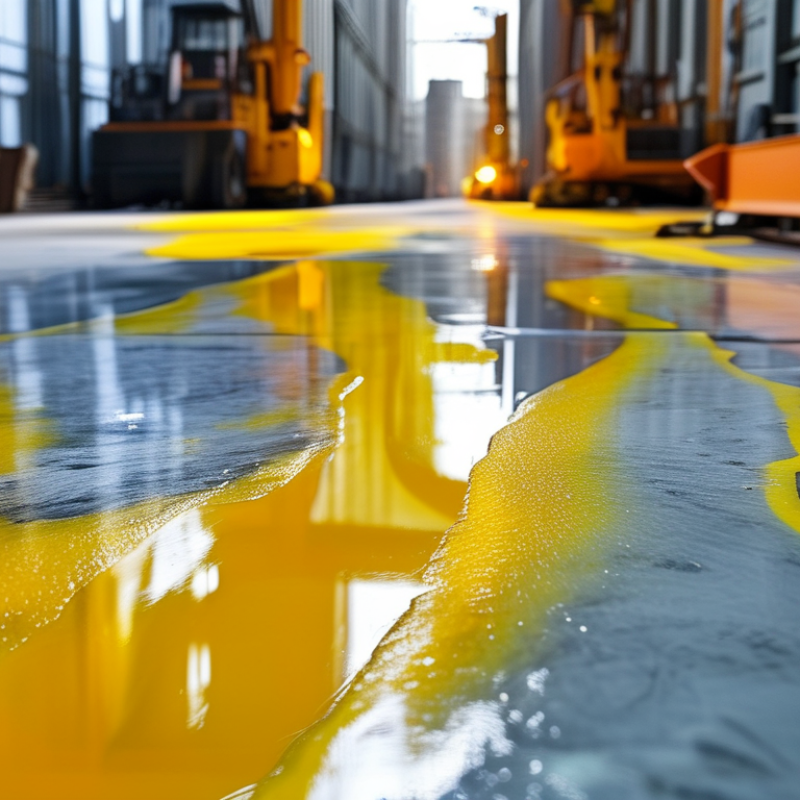
Epoxy silane is a versatile compound that serves various applications in construction and manufacturing. Understanding its types can help you select the right option for your specific needs. There are several types, including amino silanes, vinyl silanes, and mercaptopropyl silanes. Each type interacts uniquely with substrates, offering different benefits in adhesion and durability.
For instance, amino silanes are often used in coatings for their superior adhesion properties. They can enhance the bonding strength between epoxy and surfaces such as concrete or metal. On the other hand, vinyl silanes are ideal for moisture barrier applications. They provide excellent resistance to water, making them suitable for environments with high humidity. However, you might encounter challenges with compatibility in some cases, which can lead to unpredictable results.
It's essential to consider the application environment when choosing epoxy silane. Factors such as temperature, moisture levels, and substrate composition will influence performance. Don't overlook the importance of testing small batches before full deployment. Reflecting on your project’s specific requirements can lead to more effective material choices. Ultimately, the right epoxy silane can make a significant difference in the success of your project.
Choosing the right epoxy silane is crucial for the success of your project. Start by understanding the specific application needs. Consider the surface type you will be working with. Different silanes bond better with various materials. For example, some are perfect for concrete; others work wonders on metal or glass. Each silane has unique properties.
Next, evaluate the environmental conditions. Will the epoxy be exposed to moisture or extreme temperatures? Look for epoxy silanes that are resistant to these conditions. Factors like curing time and flexibility also matter. These can affect both the application process and the end result. Be aware of your project timeline and the tolerances required for the final product.
In addition, consider the health and safety aspects. Some epoxy silanes can release harmful vapors. Ensure you understand and follow safety guidelines. It might involve using protective gear during application. Finally, reflect on your experience level with epoxy products. If you're new, starting with simpler formulations can help build confidence. Don’t overlook testing small samples before full application. This can prevent costly mistakes and reveal unforeseen challenges.
| Criteria | Description | Importance Level | Common Applications |
|---|---|---|---|
| Chemical Composition | Determines the effectiveness and compatibility with various materials. | High | Concrete bonding, metal coatings |
| Curing Time | Time required for the epoxy silane to fully cure, affecting project timeline. | Medium | Structural repairs, flooring applications |
| Adhesion Strength | The measure of how well the epoxy bonds to surfaces, crucial for durability. | High | Sealants, waterproofing systems |
| Environmental Resistance | Resistance to chemicals, moisture, and temperature variations. | High | Outdoor applications, industrial settings |
| Ease of Use | User-friendliness and application process, important for DIY projects. | Medium | Home improvement, craft projects |
When selecting the best epoxy silane for your projects, compatibility with substrates is crucial. Different materials react uniquely with epoxy silanes. For example, concrete and metal surfaces may require different types of silanes. Understanding the surface energy and structure of your substrate can help you make an informed choice. Often, inadequate adhesion occurs because the silane wasn't suited for the material in question.
Environmental conditions also play a significant role. Humidity, temperature, and exposure to chemicals can alter the performance of epoxy silane. A silane that works well in dry, stable climates may fail in humid, variable environments. Testing under real conditions can highlight unforeseen issues. You may encounter problems like bubbling or improper curing. Documenting these experiences helps refine your selection process.
It is essential to consider both substrate compatibility and environmental factors. Often, professionals rely heavily on laboratory tests to ensure effectiveness. However, real-world applications often reveal inconsistencies. Reflecting on past projects can guide future decisions. Ultimately, a careful assessment of both the substrate and the environmental context will significantly enhance the chances of a successful application.
This chart represents the compatibility of different epoxy silanes with various substrates. The compatibility rating indicates how well the epoxy silane adheres and performs on each substrate, with higher percentages showing better compatibility.
When selecting an epoxy silane for your project, understanding performance characteristics is key. Adhesion is a critical factor. A silane that adheres well to substrates enhances the longevity and effectiveness of your application. It’s important to assess how well the silane bonds with materials like concrete, glass, and metals. Testing a small area before full application can reveal unexpected issues.
Durability is another vital characteristic. High-performing epoxy silanes resist wear and tear over time. Environmental factors such as moisture, temperature fluctuations, and chemical exposure can affect durability. Conducting field assessments might show that not all products perform as expected under real-world conditions.
Resistance to chemicals and moisture also plays a significant role in your choice. It's worth considering how silanes respond to exposure over time. A product may seem robust initially, but could fail under prolonged stress. Regular maintenance testing can offer insights into potential weaknesses that may arise during use. By staying informed about these characteristics, you can make a more confident choice for your specific needs.
When selecting epoxy silane for your projects, understanding industry standards and certifications is crucial. Various organizations establish guidelines to ensure quality and safety. These certifications indicate that the product meets rigorous testing and performance standards.
Look for products certified by recognized entities. Certifications range from environmental impact to material strength. An epoxy silane with a reputable certification provides assurance of its reliability. However, not all manufacturers follow the same standards. It’s essential to research the specific certifications relevant to your project needs.
Consider the application of the epoxy silane. Different projects may require distinct qualities, like adhesion strength or resistance to moisture. Matching these requirements with specific industry standards can be challenging. It’s not always clear which certifications apply. Thus, verifying the manufacturer’s claims is vital. Engaging with professionals in the field can offer deeper insights into the suitability of various products for your specific use.
: Understand your application needs and the surface type. Different silanes bond better with various materials.
Moisture and extreme temperatures can impact performance. Choose silanes resistant to these conditions.
Curing time affects the application process and end result. Be aware of your project timeline.
Some silanes release harmful vapors. Follow safety guidelines and use protective gear during application.
Start with simpler formulations. Testing small samples can help build confidence and prevent mistakes.
Look for industry certifications. Ensure products meet specific guidelines for quality and safety.
Yes, not all manufacturers follow the same standards. Verify the manufacturer's claims and seek professional insight.
Different projects may require various qualities, like adhesion strength. Match requirements with suitable standards.
When selecting the best Epoxy Silane for your projects, it's essential to understand the different types and their specific applications. Epoxy Silane is known for its ability to enhance adhesion and create strong bonds between various substrates, making it a vital component in construction and manufacturing. Key factors to consider include compatibility with the materials you are using, as well as the environmental conditions the epoxy will be exposed to.
Additionally, evaluating performance characteristics such as adhesion strength, durability, and resistance to chemicals or weathering is critical for long-term success. Familiarizing yourself with industry standards and certifications can also ensure that you choose a quality Epoxy Silane solution that meets your project requirements. Overall, a thoughtful approach to selecting the right Epoxy Silane can lead to improved performance and longevity of your applications.

Boctok Chemical